 A VETERAN OWNED SMALL BUSINESS |
How Personal Branding Can Shape Professional Opportunities
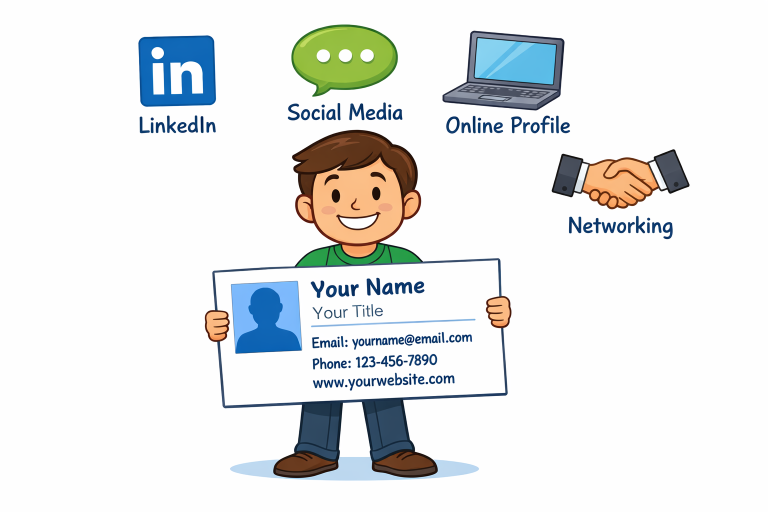
In today’s competitive job market, standing out is more crucial than ever. Building a memorable professional identity is no longer just an option—it is a necessity for career growth. Whether you are just launching your career or striving to reach new heights, understanding the principles of personal branding opens endless doors. Incorporating simple elements, such as a professional online presence or even personalized business card printing, can set you apart from the crowd and make lasting impressions on potential employers or clients.
The fundamentals of personal branding are accessible to anyone, regardless of their field or background. Crafting a compelling narrative around your unique value proposition can reveal opportunities previously out of reach. Today, how you present yourself both online and offline can have a direct impact on your professional trajectory. Consistency, authenticity, and visibility are crucial aspects that reinforce your brand and make you unforgettable in your industry.
Understanding Personal Branding
Personal branding goes beyond the traditional job application or interview process. It means deliberately shaping and projecting your professional skills, achievements, values, and personality to create a differentiated presence in your field. Your personal brand highlights what you stand for, the unique contributions you make, and how you wish to be perceived by colleagues, employers, and industry peers. Harvard Business Review discusses how shaping a thought leadership voice often begins with cultivating self-awareness and clarity about your own strengths.
A strong personal brand aligns your online persona with your real-life actions and attitudes. Developing this alignment requires introspection, honest self-assessment, and a willingness to showcase both your expertise and your aspirations. By carefully refining your personal narrative, you set the stage for lasting relationships, trust, and better career prospects.
Why Personal Branding Matters
In a world packed with highly qualified professionals, personal branding is often the “x-factor” that separates successful people from the rest. Employers and recruiters increasingly look beyond resumes, reviewing candidates’ social profiles and professional activity. According to a study by Aurora University, 50% of American professionals believe a strong personal brand is more important than a traditional resume in 2025.
Personal branding has the power to accelerate your career, identify new avenues for advancement, and provide a platform for establishing reputation and trust. It also makes networking far more effective, as your unique story and values attract like-minded individuals and organizations. Inspirational role models who are authentic and strategic with their brand frequently serve as industry benchmarks, drawing invitations for speaking engagements, collaborative projects, or leadership roles.
Building Your Personal Brand
Building a compelling and memorable personal brand involves intentional planning and consistent action. Here are some essential steps to guide your journey:
- Define Your Unique Value Proposition: Take time to reflect on your core strengths, talents, and what you offer that others may not. Consider how your background, skills, and interests uniquely position you in your field.
- Consistent Messaging: Make sure your resume, website, LinkedIn profile, and all social platforms communicate the same message about your skills and values. Cohesion builds trust and recognition.
- Engage with Your Audience: Share insights, participate in online industry discussions, publish blog posts, or speak at events. Active engagement demonstrates expertise and helps you stay top-of-mind.
Leveraging Online Platforms
Platforms like LinkedIn, personal websites, Twitter (now known as X), and industry forums are powerful tools for personal branding. Optimizing your profile, sharing meaningful content about your industry, and interacting thoughtfully with other professionals elevate your visibility. Regularly posting updates, articles, or case studies demonstrates ongoing growth and commitment to your field.
Establishing a professional website under your own name provides a centralized platform showcasing your portfolio, achievements, and testimonials. These digital platforms serve as gateways for employers and collaborators to learn more about you and your career journey. Forbes highlights that having a website can boost credibility in a competitive digital age.
Personal Branding for Introverts
Even for those who naturally prefer quieter environments, personal branding is not out of reach. Introverts often shine when telling their stories thoughtfully through writing or curated visual content. Tools like LinkedIn and Medium allow introverts to highlight expertise, share insights, and network without the pressure of constant face-to-face interaction. Experts note that this focus on storytelling and authenticity often results in highly trusted and respected personal brands.
Contributing to niche industry groups or forums and building one-on-one relationships online can be particularly valuable for introverts. Small genuine interactions often create deeper connections in professional circles, providing lasting opportunities without overwhelming social demands.
Maintaining Authenticity
Authenticity is the backbone of effective personal branding. Audiences quickly sense when someone is not genuine, which can erode trust and credibility. Build your personal brand on real experiences, honest communication, and transparent goals. Let your personality, beliefs, and vision shape your interactions both online and offline. Maintaining consistency with your authentic self helps foster reliable and lasting professional relationships.
Revisit your personal brand regularly to ensure it still reflects the current you. As your skills and interests evolve, update your public profiles and materials accordingly. Genuine engagement, even in challenging or competitive environments, will always separate trusted leaders from those putting on a facade.
Measuring Your Brand’s Impact
Personal branding is an ongoing process, and its impact can be tracked through tangible outcomes. Some metrics to consider include engagement rates on posts, growth of your professional network, invitations to speak or collaborate, and positive feedback from colleagues or industry peers. Analytical tools provided by platforms like LinkedIn or website analytics can help clarify what content and interactions produce the best results.
Actively listen to feedback and look for trends in your professional opportunities over time. If you see a steady increase in invitations, endorsements, or recognition in industry conversations, your branding efforts are likely working. If not, consider refining your message or increasing your participation in key networking spaces.
Conclusion
Personal branding is a dynamic and ongoing process, and its importance in shaping professional opportunities cannot be overstated. By strategically crafting a brand around your unique strengths, maintaining authenticity, and consistently engaging in your chosen platforms, you dramatically improve your chances of advancing your career. Invest the necessary effort, revisit your brand regularly, and watch as new doors open and your professional goals come within reach.




 Business Programs

Leave a Reply
Want to join the discussion?Feel free to contribute!