 A VETERAN OWNED SMALL BUSINESS |
The Future of Visual Storytelling in Digital Presentations
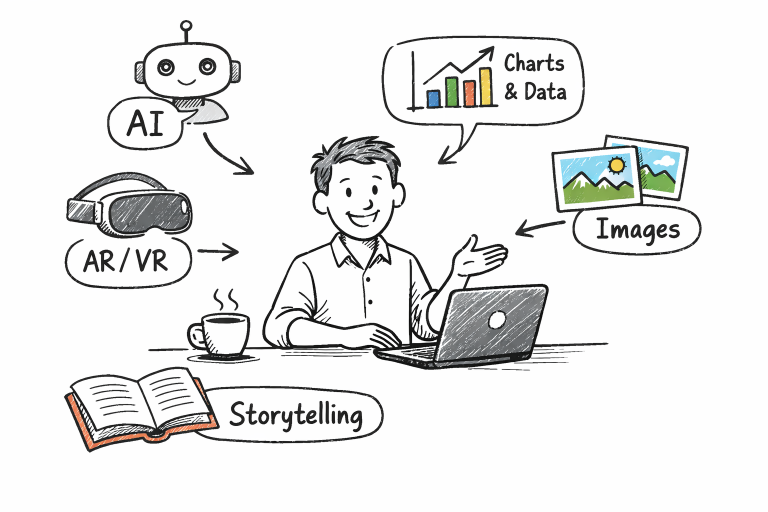
The landscape of digital presentations is undergoing a significant transformation as attention spans shorten and the demand for engaging content continues to rise. Traditional, text-heavy slides are becoming less effective as audiences gravitate toward more immersive ways of consuming information. One powerful solution lies in visual storytelling, a technique that weaves together dynamic visuals and compelling narratives to make digital presentations more memorable and persuasive. Tools such as an AI presentation maker empower presenters to craft content that not only informs but also captivates audiences through creative design and automation.
As organizations and educators alike strive to keep audiences focused and inspired, visual storytelling provides a critical edge. By transforming complex data into intuitive graphics and using video and imagery to reinforce key ideas, presenters can deliver messages that stick. This approach is especially crucial in a world where virtual meetings and remote work are the norm, and the competition for attention is fiercer than ever.
The Power of Visual Storytelling
Visual storytelling combines rich media elements, such as images, infographics, charts, and video, to convey ideas with greater clarity and emotional impact than text alone. Research demonstrates that when information is presented visually, people are far more likely to understand and remember the message. In fact, studies indicate that individuals retain 95% of a message delivered through video, compared with only 10% when reading text. This sharp contrast highlights the profound effect visuals have on engagement and information retention, making them indispensable for presentations.
The right visual elements do more than grab attention; they also guide the audience through a journey, break down complex ideas, and foster a deeper connection with the message. By strategically employing color, composition, and motion, presenters can evoke emotion, emphasize important points, and increase overall comprehension. For practical techniques and inspiration, sites like Forbes offer valuable insights into the science and best practices of visual storytelling.
Emerging Technologies Shaping Visual Communication
The rapid evolution of technology is driving an unprecedented wave of innovation in visual content creation. Artificial Intelligence (AI), Augmented Reality (AR), and Virtual Reality (VR) are emerging as pivotal forces that are changing the way presenters communicate with their audiences. AI accelerates the design process by generating layouts, selecting visual assets, and even personalizing content based on audience preferences. This automation streamlines production and allows creators to focus on delivering impactful messages.
In addition, AR and VR are redefining what is possible in digital storytelling. AR applications enrich presentations by overlaying interactive graphics onto real-world environments, making information more engaging and easier to understand. VR goes a step further by immersing viewers in virtual spaces where they can experience concepts firsthand. These advances not only boost engagement but also unlock creative opportunities for presenters in both educational and professional settings.
Integrating SEO With Visual Content
Even the most captivating digital presentation can go unnoticed without proper visibility online. Combining Search Engine Optimization (SEO) strategies with visual storytelling is crucial for ensuring presentations reach their intended audiences. This means optimizing presentation titles, descriptions, image alt text, and video captions with keywords relevant to the subject matter. Tagging and organizing content helps search engines understand and rank it, increasing the likelihood of discovery through organic search.
Beyond basic keyword optimization, incorporating a diversity of media, such as infographics, charts, and video, can further improve SEO by attracting backlinks and extended on-page engagement. Presenters should adopt accessibility-minded practices, such as providing descriptive text for visuals and transcripts for audio content, which benefit both search engines and users with disabilities.
Practical Applications in Business
Businesses across industries are experiencing significant benefits from adopting visual storytelling in their communications. Interactive infographics and animated videos are now widely used to communicate data-driven insights and updates in formats that are both engaging and digestible. Product launches, sales pitches, and internal reports all benefit from visuals, fostering understanding among stakeholders and supporting informed decision-making. This trend is fueling a shift toward better-designed, story-driven presentations in business environments.
Notably, companies leveraging these techniques are finding improved information retention among both customers and employees. The increased use of interactive, visual formats in corporate learning and marketing communications demonstrates the effectiveness of visual storytelling in driving organizational success.
Challenges and Considerations
Despite its advantages, visual storytelling presents unique challenges. High-quality visual content requires creative talent, specialized software, and additional production time, which can strain budgets and schedules. As digital accessibility gains prominence, it is essential that presentations be designed to accommodate everyone, including individuals with disabilities. This entails using readable fonts, providing alternative text for all images, and ensuring that content is easily navigable for those using assistive technologies.
Data privacy and copyright compliance are additional considerations, as presenters must ensure that all media are properly licensed and do not infringe on intellectual property rights. Managing these obstacles is key to delivering ethical, inclusive, and effective visual content.
Future Trends in Visual Storytelling
The future of digital presentations lies in the deeper integration of intelligent and immersive technologies. AI-driven customization, AR overlays, and VR experiences are poised to become standard tools for presenters striving to connect with audiences in new ways. These capabilities will enable presenters to deliver personalized, engaging content tailored to individual viewer preferences and learning styles, further amplifying the impact of digital storytelling.
As remote work and virtual events persist, mastering visual storytelling will be critical for professionals in education, marketing, sales, and beyond. Staying ahead of trends and embracing new digital tools will equip organizations to deliver messages that resonate and inspire in an increasingly competitive digital arena.
Conclusion
Visual storytelling is no longer a novelty but a necessity for impactful digital presentations. Harnessing the power of visual elements alongside cutting-edge technology elevates the clarity, engagement, and memorability of communication. As innovations in AI, AR, and VR continue to evolve, so too will the opportunities for presenters willing to adopt new approaches and strategies. Those who prioritize visual storytelling will find themselves better equipped to achieve their communication goals and stand out in the digital age.










 Business Programs

Leave a Reply
Want to join the discussion?Feel free to contribute!