 A VETERAN OWNED SMALL BUSINESS |
Understanding and Resolving Material Flow Disruptions in Manufacturing
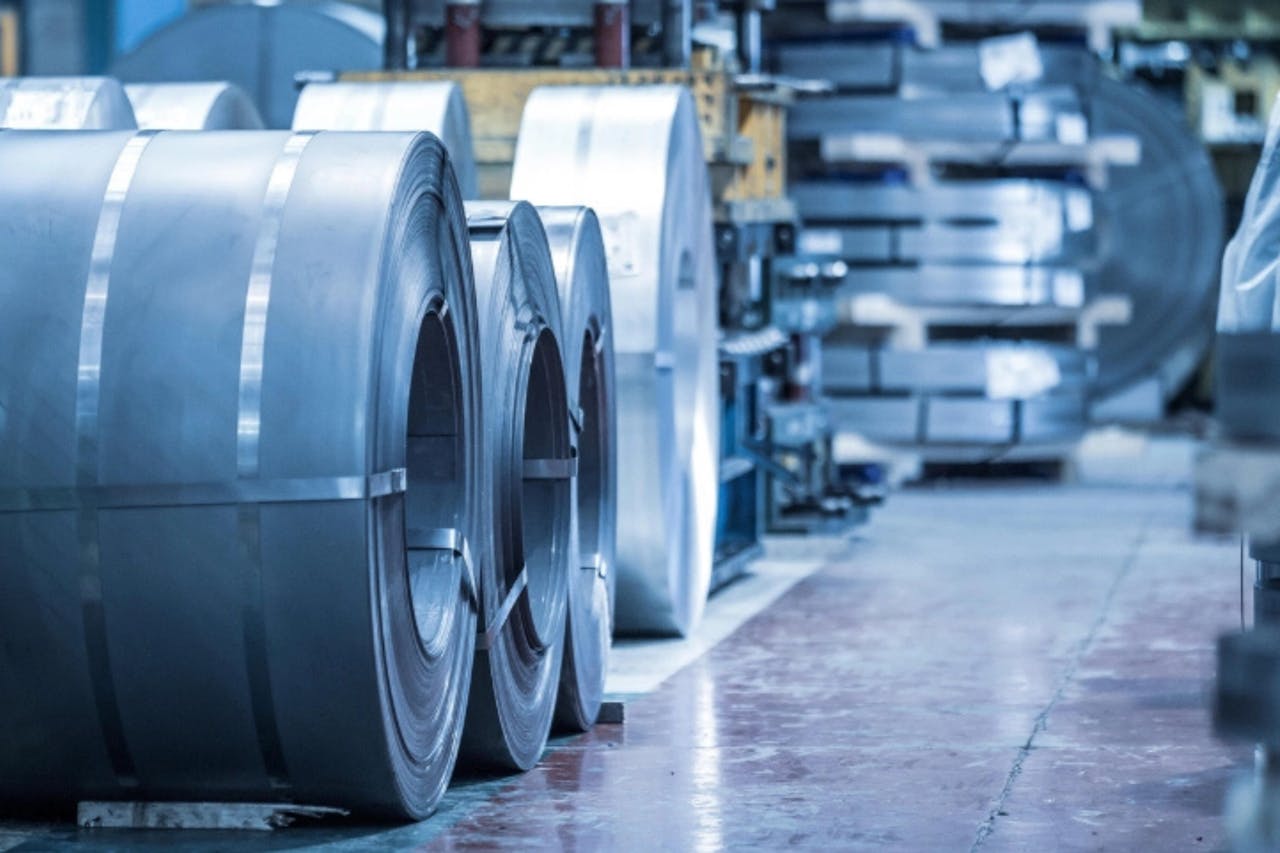
Material flow is a critical factor in manufacturing performance, yet it is often treated as a secondary concern until problems arise. When materials move smoothly through a process, operations remain stable, equipment performs as intended, and product quality is easier to maintain. When that flow becomes inconsistent, even in subtle ways, the effects can ripple across the entire system.
Flow disruptions rarely originate from a single failure point. More often, they develop over time as small variations begin to compound. Changes in material characteristics, gradual equipment wear, or shifting environmental conditions can alter how materials behave in motion. In response, operators may introduce short-term adjustments that keep production moving but do not address the underlying imbalance.
The Limits of Traditional Visibility
One of the challenges with flow-related issues is that they are not always immediately visible in standard performance metrics. Equipment may continue running, and output levels may appear steady, even as inefficiencies build within the system. This can delay intervention, allowing instability to grow until it results in more noticeable disruptions such as downtime or quality deviations.
Transition points are especially sensitive areas. These are the locations where materials change direction, speed, or containment. Even well-designed equipment can struggle if these transitions are not aligned with material behavior. Restrictions, abrupt changes in geometry, or rigid connections can introduce variability that affects the entire process.
Taking a System-Level Approach
Addressing flow challenges requires looking at the process as a whole rather than focusing on isolated symptoms. Observing how materials move during different operating conditions, such as startup, shutdown, or product changeovers, can reveal patterns that are not apparent during steady production.
Environmental factors also influence performance. Temperature, humidity, and airflow can affect how materials flow, particularly in applications involving powders or bulk solids. Designing systems with these variables in mind helps reduce the need for reactive adjustments.
Targeted Improvements for Greater Stability
Improving material flow does not always require major changes. In many cases, targeted modifications can deliver meaningful results. Refining transition points, introducing more flexible connections, and standardizing interfaces can help reduce variability and improve consistency.
These adjustments not only support smoother material movement but also reduce strain on equipment and minimize material loss. Over time, they contribute to more predictable and efficient operations.
A More Proactive Perspective
Manufacturers that treat material flow as a core operational priority tend to experience fewer disruptions and more consistent performance. By understanding flow as an interconnected system, rather than a series of isolated issues, teams can move from reactive troubleshooting to proactive optimization.
This shift in perspective helps create processes that are more resilient, more efficient, and better aligned with long-term production goals.
For additional insight into identifying and addressing flow challenges across production systems, explore the accompanying resource from industrial screen provider, ScreenerKing.










 Business Programs

Leave a Reply
Want to join the discussion?Feel free to contribute!