 A VETERAN OWNED SMALL BUSINESS |
Why Effective Warehouse Traffic Flow Requires More Than Marked Aisles
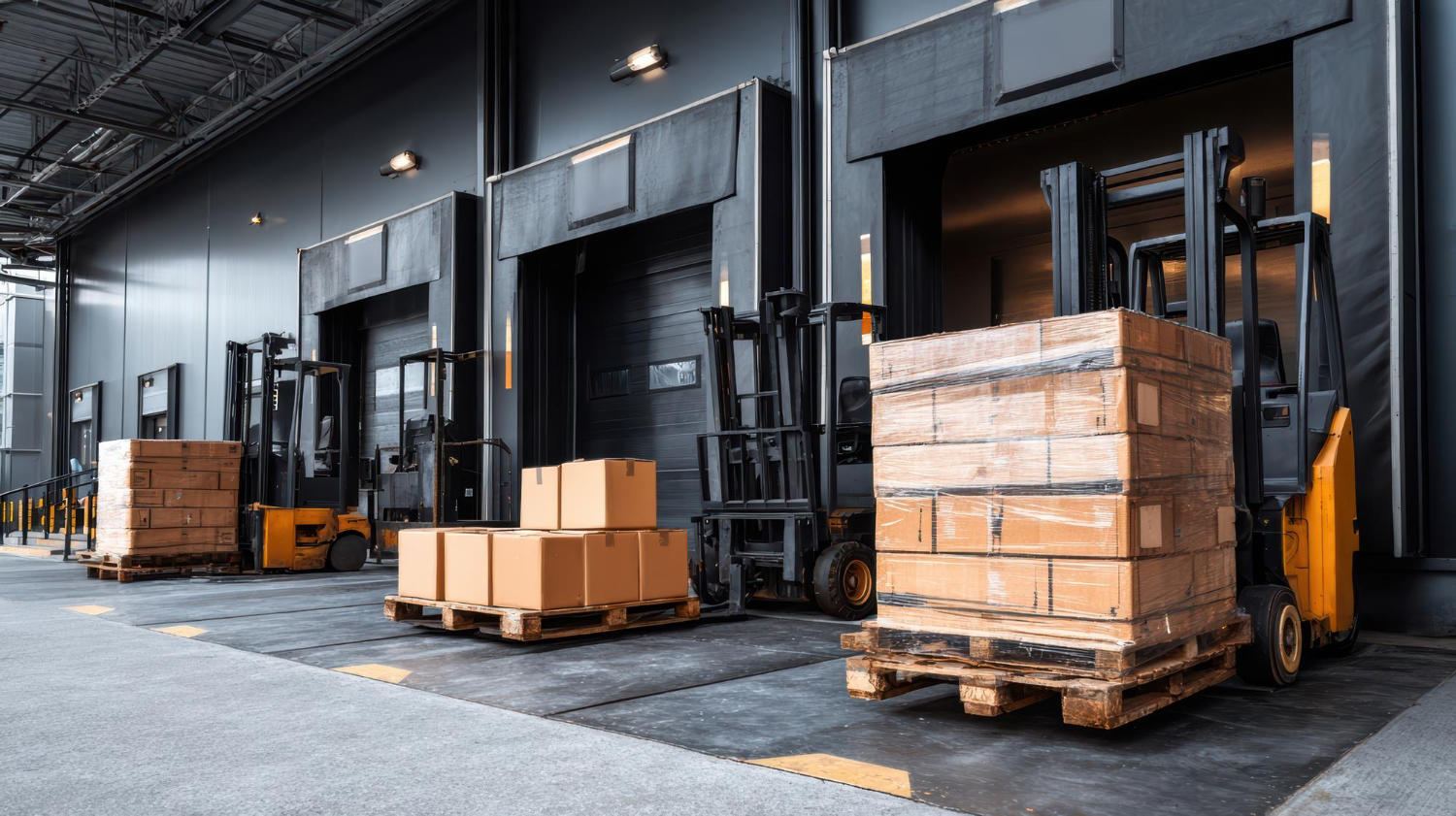
Managing traffic within a warehouse is often associated with floor markings, directional signs, and designated walkways. While these tools are important, they represent only the visible portion of a much larger strategy. The effectiveness of traffic flow is ultimately determined by how the facility is organized, how work is performed, and how people, equipment, and materials interact throughout the day.
When movement is not considered during operational planning, inefficiencies tend to emerge naturally. Equipment routes overlap with pedestrian activity, staging areas expand into travel lanes, and employees develop informal shortcuts to complete tasks more quickly. Over time, these conditions can create both safety concerns and productivity challenges.
The most successful facilities recognize that traffic flow is not a standalone initiative. It is the result of deliberate planning that supports how the operation functions as a whole.
Evaluating Movement Across the Entire Facility
Every movement within a warehouse affects something else. A forklift retrieving inventory, a worker transporting materials, a maintenance technician accessing equipment, or a replenishment task occurring during peak production all influence overall traffic conditions.
Because of this, warehouse managers benefit from viewing movement holistically rather than focusing on isolated areas. A problem that appears to originate in one location may actually be caused by congestion, industrial storage practices, or workflow decisions elsewhere in the facility.
Observing how people and equipment move during high-volume periods can reveal valuable insights. Areas where traffic repeatedly slows, routes become congested, or employees routinely navigate around obstacles often indicate opportunities for improvement. These observations help organizations identify operational friction that may not be visible in reports or layout drawings.
Supporting Flow Through Better Layout Decisions
Facility design has a direct impact on traffic performance. The placement of inventory, workstations, shipping areas, and staging locations determines how frequently people and equipment must travel and where those movements occur.
Products with high turnover rates should be positioned to reduce unnecessary transportation. Staging areas should be sized appropriately so that materials do not spill into primary travel corridors. Employee workstations should be arranged to minimize interactions with vehicle traffic whenever possible.
These layout decisions can significantly reduce congestion while helping employees complete tasks more efficiently and safely.
Adapting to Changing Operational Demands
Warehouses are constantly evolving. New product lines, changes in customer demand, workforce fluctuations, and automation projects can all alter movement patterns over time. As operations change, traffic management strategies must evolve as well.
Facilities that periodically assess their layouts and traffic controls are often better equipped to identify developing issues before they affect performance. Small adjustments made proactively can prevent larger disruptions later.
Physical controls can also support changing operational needs. Barriers, guardrails, pedestrian pathways, and restricted-access zones help create clear separation between activities. However, these controls are most effective when they support existing workflows rather than forcing employees to work around them.
Integrating Equipment and Automation Into Traffic Planning
Modern warehouses rely on a wide range of equipment to support movement throughout the facility. Forklifts, pallet jacks, carts, conveyors, and automated systems each introduce unique traffic considerations.
To maximize efficiency, equipment movement should be planned with the same level of attention given to facility layout. Travel routes, parking locations, charging stations, and maintenance access points should all be incorporated into the overall traffic strategy. Automated technologies such as AMRs and AGVs require additional coordination to ensure they operate safely alongside employees and traditional material-handling equipment.
The most effective traffic flow programs are designed around operational realities rather than assumptions. By understanding how movement occurs throughout the facility and planning accordingly, organizations can reduce congestion, improve safety, and create a more efficient environment for both people and equipment.









 Business Programs
Leave a Reply
Want to join the discussion?Feel free to contribute!