 A VETERAN OWNED SMALL BUSINESS |
Built for the Rush: Operational Risk Control in High-Volume Restaurants
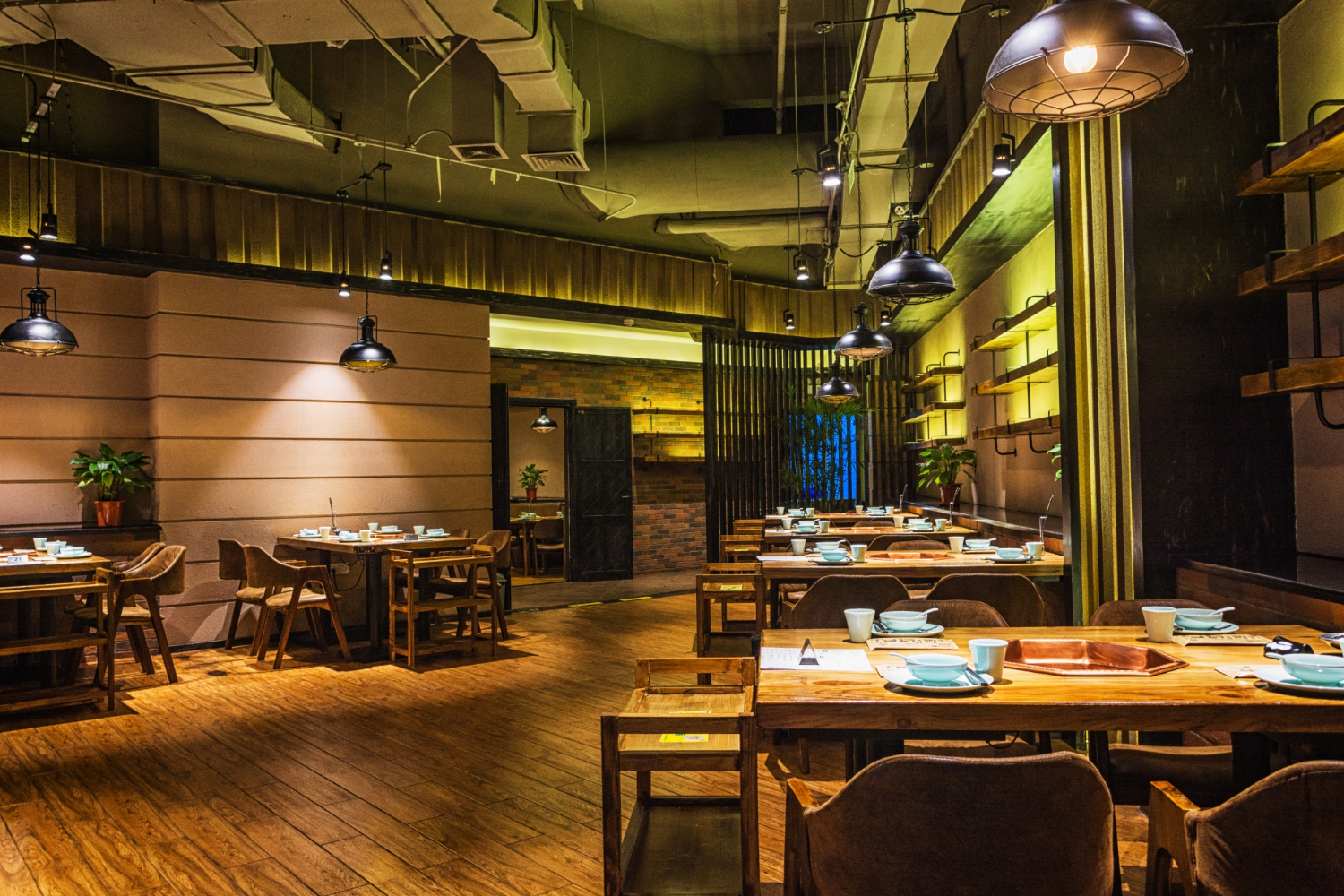
High-traffic restaurants operate within compressed decision windows where performance gaps surface quickly. Equipment runs longer, systems cycle faster, and margin tolerance tightens as guest counts rise. In these environments, operational risk is mechanical and procedural rather than abstract. Pressure builds gradually during service and peaks when systems are pushed near capacity. Restaurants that sustain consistency during these periods rely on infrastructure that was designed for strain long before the rush began.
Where Operational Stress Builds
Operational breakdown rarely starts at the counter. It develops upstream in systems that support food preparation, beverage dispensing, refrigeration, and order processing. As demand increases, these systems shift from routine operation to sustained load conditions that expose hidden weaknesses. Recovery times shorten, mechanical cycles increase, and small inefficiencies begin to stack. When a disruption becomes visible to guests, the root cause is often already several steps removed from the service line.
Gas-dependent beverage systems provide a clear example. Carbonation pressure must remain steady even as dispensing frequency accelerates. If supply capacity does not match peak demand, depletion or pressure fluctuation can interrupt service at the busiest moment of the day. Kitchen equipment experiences similar strain. Fryers, grills, and ovens operating continuously under high throughput require stable fuel, temperature control, and ventilation performance to maintain output without decline.
Preventive maintenance in these environments cannot follow generic timelines. Service intervals should reflect actual usage patterns and peak-hour intensity. Components exposed to sustained heat, pressure, or mechanical cycling degrade differently than those operating intermittently. Clear documentation of wear trends and performance thresholds supports better replacement planning and reduces unplanned downtime. Vendor communication structured around performance reviews rather than emergency calls strengthens operational predictability.
Designing Infrastructure for Sustained Demand
Infrastructure decisions influence whether risk concentrates during peak periods or disperses across the system. Gas supply configurations illustrate this clearly. Systems built around small, manually exchanged cylinders introduce frequent changeovers and increased human intervention. Each exchange presents a moment where depletion or delay can interrupt service.
Centralized bulk storage reduces the frequency of intervention and provides greater stability under sustained demand. Monitoring capability adds another layer of control by providing visibility into consumption patterns before levels become critical. With real-time awareness, supply coordination shifts from reactive delivery to scheduled replenishment. Restaurants operating under predictable refill cycles experience fewer peak-hour interruptions and steadier beverage output.
Operational resilience also benefits from structured redundancy. Backup components, clearly defined response protocols, and trained staff reduce the operational impact of isolated equipment issues. Written procedures should reflect peak conditions rather than average throughput. When infrastructure, monitoring, and maintenance planning align with actual traffic patterns, restaurants maintain performance during the periods that matter most.
For a visual breakdown of how operational risk concentrates and how infrastructure choices influence exposure, review the accompanying infographic resource.







 Business Programs

Leave a Reply
Want to join the discussion?Feel free to contribute!