 A VETERAN OWNED SMALL BUSINESS |
How eCommerce Growth Changed the Relationship Between Warehousing and Freight Timing
Online shopping completely changed how people think about time, without most customers even noticing it happening. A person taps “buy now” late at night and somehow expects the package to start moving almost immediately. Two-day shipping used to feel fast. Now, customers refresh tracking pages within hours, wondering why the item has not already left the warehouse.
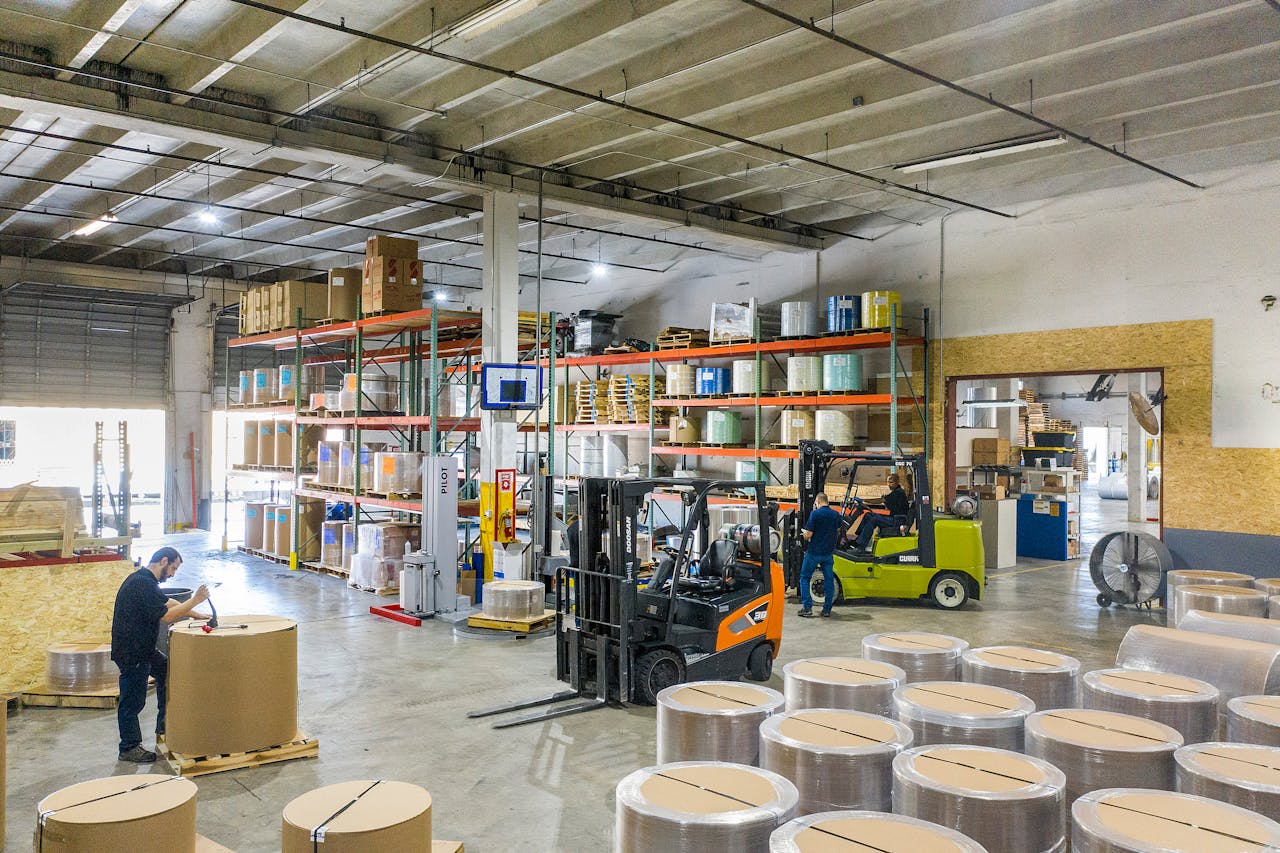
Warehouses and freight systems had to rebuild around this new behavior incredibly fast. Years ago, storage mattered heavily because products could sit longer before moving through the supply chain. Modern eCommerce operates differently. Products are expected to arrive, move, sort, dispatch, and travel almost continuously. Warehouses increasingly function like moving transit hubs instead of giant storage buildings filled with static inventory. Freight timing became tightly connected to customer psychology because every delay now feels visible in real time once shoppers start watching tracking updates minute by minute from their phones.
Inventory Surges Breaking Freight Timing
One major problem eCommerce created is unpredictability. Traditional freight systems were built around more stable demand patterns where companies could reasonably forecast inventory movement weeks ahead. Online shopping disrupted that rhythm completely. A random social media video can suddenly push thousands of orders overnight for a product that barely moved the previous week.
Warehouses now experience violent demand spikes without much warning. Seasonal sales, influencer promotions, viral products, and flash discounts can instantly create shipping pressure large enough to overwhelm standard freight schedules. During those periods, waiting for slower transportation options often creates dangerous bottlenecks inside fulfillment centers because inventory starts stacking up faster than it leaves the building. Many businesses now depend on expedited freight services, as once order volume explodes, unexpectedly delayed movement affects much more than shipping speed alone. Overflowing inventory slows warehouse efficiency, increases labor pressure, and creates customer frustration almost immediately once delivery promises start slipping behind.
Customers Now Expect to Watch Everything Live
Real-time tracking changed freight coordination in ways many people underestimate. Years ago, customers placed an order and mostly waited patiently until the package appeared at their door. Modern shoppers expect constant visibility during every stage of movement. People check whether the order has been packed, scanned, loaded, shipped, transferred, and delivered almost obsessively now.
However, visibility created enormous pressure on freight timing because delays no longer stay hidden quietly behind warehouse walls. A package sitting too long at one checkpoint becomes visible instantly through tracking updates. Warehouses and freight carriers now coordinate much more aggressively because customers expect movement updates constantly. Even short pauses inside the shipping chain can trigger customer complaints once tracking appears frozen for too long.
Warehouses Care About Speed More Than Storage
Older warehouse models focused heavily on maximizing storage capacity. Modern eCommerce warehouses increasingly focus on movement speed instead. A product sitting too long inside a facility now creates inefficiency because modern fulfillment depends on constant turnover and rapid dispatch timing.
Warehouse layouts changed dramatically because of this. Fast-moving products are positioned closer to loading areas. Picking systems prioritize speed over bulk organization. Packing stations operate almost nonstop during major shopping periods because warehouses no longer function mainly as long-term storage centers. Many facilities now resemble giant sorting engines built around continuous movement instead of static inventory management.
Overnight Shipping Changed Freight Pressure
Online shopping habits have increased pressure on overnight freight movement in a way that traditional logistics systems were never originally designed to handle. Fast delivery used to feel like a premium service reserved for emergencies or expensive products. eCommerce normalized speed so aggressively that many customers now view overnight or next-day delivery as fairly ordinary.
Freight systems had to adapt around those compressed timelines quickly. Orders placed late in the evening often still need processing almost immediately to meet promised delivery windows. Distribution centers now coordinate departures much more aggressively because missing one outbound truck can delay thousands of deliveries simultaneously. Overnight freight movement became central to competitive eCommerce operations because customers increasingly choose retailers based on shipping speed almost as heavily as product pricing itself.
Freight Schedules Now Revolve Around Customer Promises
Consumer delivery expectations have completely changed how distribution centers manage freight departure timing. Warehouses once operated heavily around internal scheduling convenience. Modern eCommerce flipped that structure around because customer-facing delivery promises now dictate how freight moves throughout the network.
A promised delivery date creates pressure across every stage of fulfillment. Picking, packing, loading, dispatch timing, carrier coordination, and route planning all revolve around meeting those visible customer deadlines. Missing even short dispatch windows can trigger major shipping delays later in the chain because freight schedules now operate much more tightly than older retail systems did.
Returns Started Moving Almost as Fast as Outgoing Orders
eCommerce growth created another major timing problem warehouses did not deal with at the same scale years ago: returns. Customers now send products back constantly, often for reasons that have nothing to do with damage or defects. Wrong sizing, changing preferences, duplicate purchases, or impulse buying all increased return volume heavily across online retail.
Returned inventory creates timing pressure because warehouses cannot simply let products sit untouched for long periods. Items need inspection, sorting, repackaging, or redistribution quickly before inventory systems become inaccurate. During major shopping seasons, warehouses often process outgoing shipments and incoming returns almost simultaneously at a nonstop pace.
Viral Products Destroy Predictable Scheduling
One social media trend can completely disrupt warehouse planning overnight. A skincare product, kitchen gadget, or random household item suddenly goes viral, and warehouses immediately face demand levels nobody predicted days earlier. Traditional forecasting struggles badly in those situations because internet-driven buying behavior moves extremely fast.
Freight timing became far less predictable once online trends started shaping consumer purchasing habits so aggressively. Warehouses now build much more flexible shipping schedules because product demand can spike suddenly without warning. Carriers, loading teams, and distribution managers often adjust operations in real time during viral demand periods just to prevent complete fulfillment slowdowns.
Loading Windows Became Much Shorter
Modern eCommerce competition has dramatically shortened the amount of time warehouses have to prepare shipments before freight departures. Years ago, distribution centers often operated around larger scheduling buffers where products could wait longer before loading onto outbound transportation.
Current fulfillment systems leave far less room for delay. Warehouses now process orders almost continuously because customers expect fast delivery regardless of when the order was placed. Loading docks stay active for much longer hours, and dispatch teams work under tighter timing pressure because every missed departure affects delivery estimates immediately.
eCommerce growth completely redefined the relationship between warehousing and freight timing because customer expectations around speed changed faster than traditional logistics systems originally evolved to handle. Warehouses now prioritize movement, flexibility, and rapid coordination much more aggressively than storage alone.

 Business Programs