 A VETERAN OWNED SMALL BUSINESS |
Building Organizational Resilience in the Digital Workplace
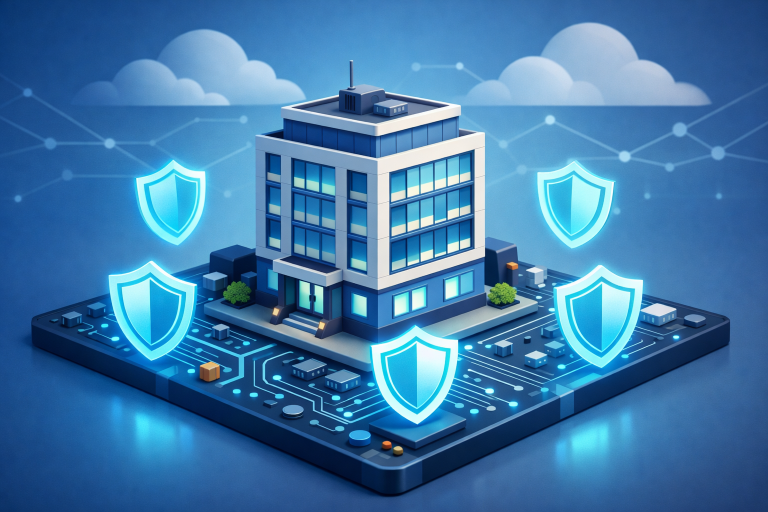
In today’s rapidly evolving digital landscape, organizations face unprecedented challenges that test their adaptability and resilience. With cyber threats, technology shifts, and new work dynamics becoming the norm, building a robust digital workplace is no longer optional, as it is an imperative for long-term success. Partnering with a local IT managed services provider can play a pivotal role in accelerating digital transformation and supporting stable operations. Organizations that prioritize resilience can weather storms and seize opportunities, even as the digital environment constantly changes. Integrating adaptive technologies and fostering a culture that readily accepts change ensures continuity and positions organizations for growth. As disruptions become more frequent, the ability to respond quickly and recover efficiently is now a competitive necessity rather than a strategic option.
Introduction
The digital transformation has revolutionized how organizations operate, enabling remote teams, cloud-based applications, and real-time data insights. While these advances unlock avenues for efficiency and growth, they also increase risks to business continuity. From ransomware attacks to the rapid evolution of work-from-home arrangements, organizations must embed resilience into their digital strategies from the outset. Proactively strengthening digital resilience not only minimizes the impact of disruptions but also positions businesses to recover faster, maintain trust with stakeholders, and innovate with confidence. Industry leaders recognize that seamless digital operations require continuous investment in both technology and people.
Understanding Organizational Resilience
Organizational resilience is the ability of a business to anticipate, prepare for, respond to, and adapt to unforeseen changes and disruptions. In the digital context, this means having robust plans to maintain uptime and secure data, even in the face of network failures, cyber attacks, or system upgrades. The resilience mindset focuses on both daily operational reliability and agility in the face of unexpected events. Resilient organizations leverage scenario planning and adaptive cultures to move quickly in uncertain conditions. This ability enables companies not only to survive disruption but also to thrive by finding new ways to deliver value.
Challenges in the Digital Workplace
- Cybersecurity Threats: As digital footprints grow, organizations become more attractive targets for cybercriminals. Data breaches and ransomware attacks can disrupt operations and damage reputations.
- Technological Disruptions: Rapid advancements can outpace existing infrastructure, requiring regular updates, migrations, and retraining. Failing to keep up can render systems and skillsets obsolete.
- Remote Work Dynamics: Hybrid and fully remote work environments challenge traditional oversight, collaboration, and cohesive company culture. Ensuring secure, reliable connectivity for distributed teams is essential for ongoing productivity.
Addressing these obstacles requires an ongoing commitment to improvement and vigilance.
Strategies for Enhancing Resilience
- Develop a Comprehensive Risk Management Plan: Identify and assess digital vulnerabilities. Create actionable protocols for response and recovery, and revisit these regularly as threats evolve.
- Invest in Employee Training: Ongoing education ensures that staff recognize threats, follow security protocols, and can quickly adapt to new tools or workflows. Cybersecurity awareness and change management training are particularly crucial.
- Foster a Culture of Adaptability: Encourage an environment where flexibility, experimentation, and proactive innovation are supported. Employees who feel empowered are better prepared to handle challenges as they arise.
Frequent simulation exercises and cross-functional collaboration can further strengthen preparedness and response effectiveness.
Role of Leadership in Fostering Resilience
Leaders play a pivotal role in cultivating a resilient organizational culture. They must clearly communicate the importance of resilience to the company’s mission and ensure transparency around threats and ongoing mitigation efforts. Providing resources, both technological and human, to frontline employees empowers them to act quickly in the face of adversity.
- Communicate a Clear Vision: Consistent messaging about the organization’s commitment to resilience aligns stakeholders across all levels.
- Empower Employees: Equip teams with tools, procedures, and autonomy to take action during disruptions.
- Lead by Example: Senior leaders who demonstrate a willingness to adapt set the tone for the organization. Their behavior encourages trust and initiative throughout the workforce.
Technological Tools and Solutions
Technology is at the heart of digital workplace resilience. Modern organizations deploy advanced monitoring and automation platforms to identify issues and reduce downtime proactively. Artificial intelligence can analyze IT environments around the clock to detect abnormalities or suspicious activities before they escalate. Digital Employee Experience (DEX) solutions, for example, proactively support end users by automating troubleshooting and ensuring access to critical applications. Implementing these layers ensures that business operations remain undisrupted, even when technical challenges arise. Integrating backup, disaster recovery, and endpoint security solutions is also crucial for building comprehensive digital resilience.
Case Studies of Resilient Organizations
Several leading companies have demonstrated the power of digital resilience. For instance, following major cyber incidents, some financial institutions swiftly restored operations thanks to robust continuity planning and the use of cloud-based recovery environments. A joint report by Airmic and The Business Continuity Institute showcases organizations where board-level engagement and a people-focused approach were key to resilient outcomes. These examples illustrate best practices that can be customized to suit organizations of any size or sector.
Conclusion
Building organizational resilience in the digital workplace requires a multifaceted approach that includes strategic planning, continuous employee development, strong leadership, and the adoption of advanced technologies. Navigating the ever-changing digital landscape is challenging, but with the right foundation, organizations can sustain business continuity, drive innovation, and achieve lasting success.










 Business Programs

Leave a Reply
Want to join the discussion?Feel free to contribute!