 A VETERAN OWNED SMALL BUSINESS |
Adapting to the Age of AI: How Full-Service Web Design Agencies Can Thrive
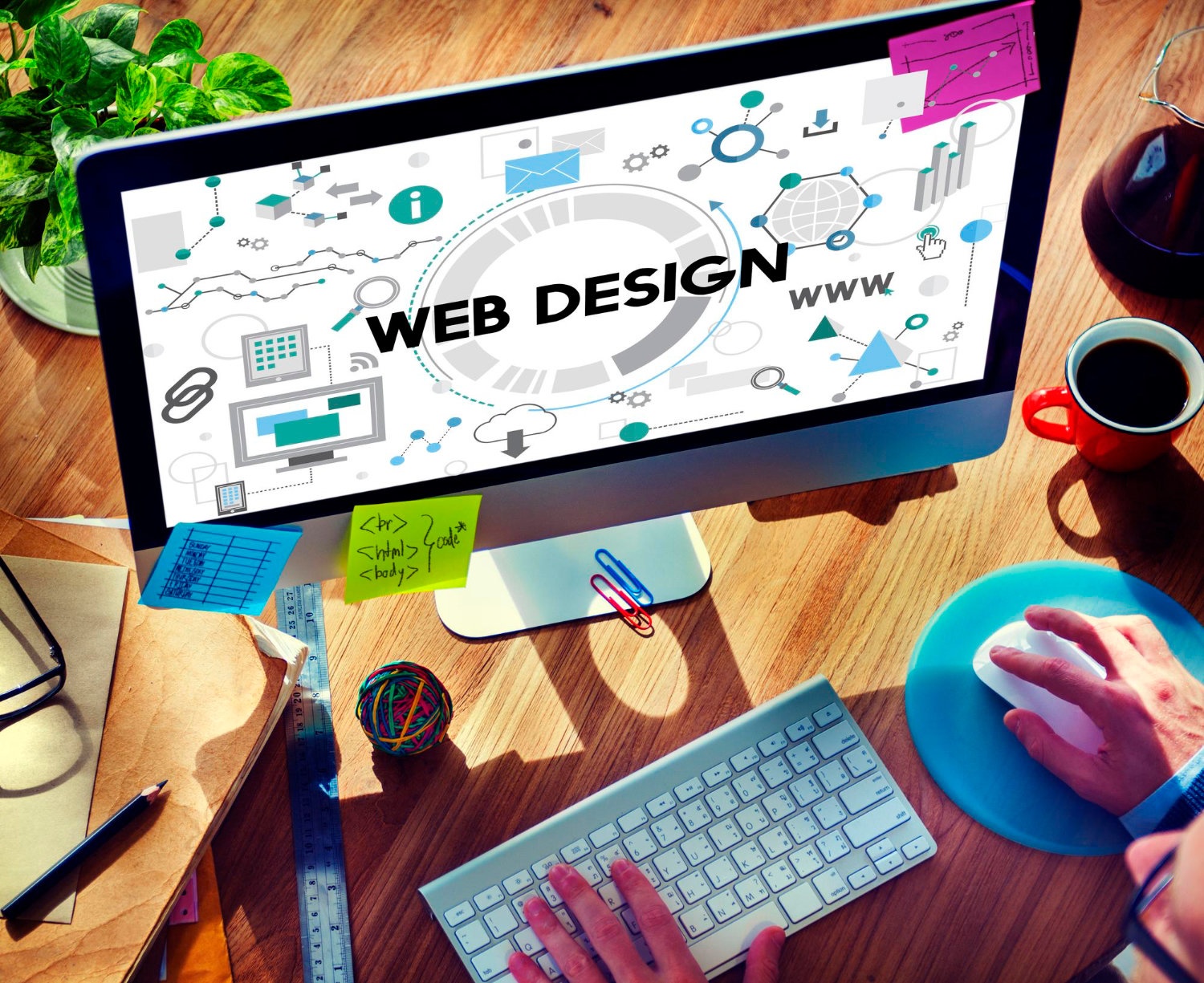
Artificial Intelligence has rapidly emerged as one of the most influential forces in the web design and development industry. As the digital landscape evolves, agencies are finding new ways to respond to this technological shift. Many professionals now see AI as both a challenge to traditional workflows and an opportunity to enhance client offerings. For businesses seeking the best marketing companies in Miami, it is evident that integrating AI is becoming a critical differentiator for staying ahead of industry trends.
The rise of advanced AI is automating tasks once only done by skilled designers and developers. While this causes worries about job loss, it also offers opportunities for agencies to redefine their value by combining AI with human creativity. Agencies that leverage both technology and talent are best equipped to succeed. As AI shapes project processes and client expectations, agencies are adopting new business models and strategies. Integrating AI into design and development boosts efficiency and customizes services. Success depends on technical skills and strategic partnerships. Understanding these trends is key for agency leaders and clients, as automation and human insight drive the future of digital services. According to Forbes, companies that blend AI and human talent outperform in efficiency and innovation. AI’s impact on web design and development goes beyond efficiency, prompting a reevaluation of value in the digital age.
The Impact of AI on Web Design and Development
AI’s most immediate effect on web design is its ability to automate repetitive, time-consuming processes, such as wireframing, A/B testing, and generating code snippets. Many tools can now produce page layouts or optimize user flows based on vast datasets and user behavior analytics. According to a 2026 industry study, 76 percent of web design professionals see AI as the greatest threat to their business, surpassing traditional concerns such as shrinking budgets and rising overheads.
This sense of disruption is understandable. However, the same study highlighted that agencies that embraced AI reported substantial productivity increases and sharper decision-making. AI tools not only reduce manual workload but also enable teams to dedicate more attention to strategy, unique branding, and overall user experience.
How Full-Service Agencies Are Adapting
Full-service agencies are responding to AI’s rise by fundamentally reshaping their workflows and offerings. Over 72 percent of digital agencies have retooled their development and design approaches to accommodate AI-friendly platforms. These changes are not just about keeping up with trends; they enable agencies to offer scalable, data-driven solutions tailored to each client. Many agencies are now employing machine learning models for predictive design, real-time personalization, and streamlined testing processes.
Another way agencies are adapting is by expanding their teams to include AI specialists, data scientists, and digital strategists. These skill sets empower agencies to deliver comprehensive, multi-channel solutions that go far beyond traditional website builds. Building this depth allows agencies to offer measurable ROI on every project. Major publications like CNBC have emphasized that agencies that rapidly adapt to AI integration are already leading industry shifts across sectors.
The Role of Human Creativity in an AI-Driven Industry
AI excels at automating processes and surfacing insights, but it cannot replace the nuanced creativity and strategic thinking that define standout web design. Human expertise is critical in interpreting data, understanding client vision, and injecting emotional resonance into a brand’s online presence. The most successful agencies are those that leverage technology to enhance, not replace, these skill sets.
AI may suggest layout adjustments or generate basic copy, but only creative professionals can craft messaging that truly connects with target audiences or conceptualize narratives that build brand loyalty. This balance of machine-driven efficiency and human intuition enables agencies to stand out in a crowded field.
Building Strategic Partnerships for Long-Term Success
As the boundaries between technology, marketing, and design blur, agencies are shifting from transactional service providers to strategic partners for their clients. This evolution requires a holistic approach that offers not only web design and development but also ongoing support, AI integration, and tailored digital marketing campaigns. Collaborative partnerships ensure agencies remain indispensable, providing guidance on everything from compliance and security to accessibility and emerging technologies.
Agencies that foster strong relationships by focusing on results, transparency, and education can help clients achieve sustainable growth while reducing anxiety about technological change. These partnerships establish a mutually beneficial cycle of trust, innovation, and long-term value for both sides.
Future Outlook for Full-Service Agencies
The outlook for full-service web design and development agencies is optimistic for those willing to evolve. By adopting AI as a valuable tool that enhances creativity and strategic insight, agencies can differentiate themselves in a saturated market. Being proactive, rather than reactive, about integrating AI helps agencies stay resilient amid change, while prioritizing talent ensures clients receive fresh, compelling, and results-driven digital solutions.
The convergence of AI and human intelligence will continue to redefine best practices, service offerings, and client expectations across the digital landscape. Agencies that position themselves at this intersection will remain essential partners in helping companies succeed online.







 Business Programs

Leave a Reply
Want to join the discussion?Feel free to contribute!