How Smart Home Technology Is Transforming the Homebuying Experience

In today’s rapidly evolving real estate market, smart home technology is revolutionizing the way buyers search for, evaluate, and purchase homes. From AI-driven property searches to immersive virtual tours, these advancements are making the homebuying process more efficient and personalized than ever before. For those navigating this modern landscape, partnering with knowledgeable professionals is crucial. Wichita Falls TX real estate experts Bishop Realtor Group, a trusted name in North Texas real estate for over three decades, offer invaluable guidance. Their deep understanding of current market trends and technological advancements ensures that buyers are well-informed about properties featuring the latest smart home technologies, helping them make decisions that align with their preferences and lifestyle.

AI-Powered Property Searches

Artificial intelligence is reshaping how buyers find homes. Real estate platforms now utilize machine learning algorithms to analyze user preferences, presenting tailored property recommendations that align with individual needs and desires. This personalized approach saves time and enhances the overall search experience.

With AI’s ability to analyze vast databases instantly, buyers no longer have to sift through countless irrelevant listings. Intelligent systems can interpret subtle preferences, like architectural styles or proximity to technology hubs, and seamlessly match them with available properties. In addition, AI-driven chatbots are available to assist with inquiries 24/7. These bots help answer questions quickly, schedule tours, and even provide insights about local neighborhoods, further customizing the property discovery journey for prospective buyers.

Virtual Tours and Augmented Reality

Gone are the days of relying solely on in-person visits. Virtual tours and augmented reality allow buyers to explore properties remotely, providing a realistic sense of space and layout. These tools enable potential homeowners to narrow down their options efficiently, focusing on properties that truly meet their criteria.

The latest advances in augmented reality (AR) enable users to visualize furniture placement, color schemes, and even potential renovations within a space using their smartphones or headsets. As a result, buyers gain a better feel for how a property fits their lives without setting foot inside. This is especially beneficial for out-of-town buyers or those with limited time for travel. Many listings now include 3D models and virtual staging, giving home shoppers a clear picture of the property’s potential and allowing them to make quicker, more informed decisions.

Streamlined Transactions with Blockchain

Blockchain technology is introducing transparency and efficiency into real estate transactions. By securely recording and verifying each step of the process, blockchain reduces the need for intermediaries, minimizes paperwork, and accelerates closing times. This innovation offers buyers a more seamless and trustworthy purchasing experience.

Digital contracts and blockchain-powered escrow services help reduce the possibility of fraud and errors. Buyers and sellers can access immutable transaction records, which builds trust between all parties. Furthermore, the efficiency gains from digitizing documentation shorten transaction timelines, making homeownership more attainable. This level of transparency and security is particularly appealing to first-time buyers, who may be navigating the process and want the peace of mind that technology can provide.

Smart Features Enhancing Property Value

Modern buyers are increasingly attracted to homes equipped with smart features. Devices such as smart thermostats, lighting systems, and security cameras not only offer convenience but also enhance energy efficiency and safety. Properties equipped with these technologies often see increased market value and appeal.

These features can also lead to long-term cost savings by optimizing energy use and minimizing resource waste. Smart irrigation systems, remote-controlled blinds, and appliances connected to a central hub foster a sense of futuristic living. Moreover, advanced security systems, such as video doorbells, motion sensors, and remote monitoring, add an extra layer of protection. When it comes time to sell, homes with integrated technology often have a competitive edge, attracting tech-savvy buyers who are willing to pay a premium for these modern amenities.

Meeting Buyer Expectations

As smart home technology becomes more prevalent, buyers expect these features as standard. Homes lacking integrated smart systems may be at a competitive disadvantage. Sellers and builders are recognizing this trend, incorporating smart technologies to meet market demands and enhance property desirability.

Builders are increasingly collaborating with tech companies to include pre-installed devices, such as voice-activated assistants and wireless hubs. The result is a seamless experience for buyers who want instant connectivity and automation upon moving in. Real estate agents now regularly highlight smart home features in listings to attract more interest. As buyers become increasingly accustomed to a digital lifestyle, their expectations will only continue to evolve.

Challenges and Considerations

While the benefits are clear, integrating smart home technology comes with challenges. Compatibility between devices, data privacy concerns, and the need for ongoing maintenance are factors buyers should consider. It’s essential to assess the reliability and security of smart systems before making a purchase.

Homeowners should also consider the costs of upgrades and future-proofing. Keeping systems updated and secure requires periodic software patches and, occasionally, hardware replacement. For those concerned about privacy, choosing trusted brands and ensuring encrypted communications is crucial. Consulting with professionals can help buyers understand installation requirements and long-term maintenance obligations, ensuring their investment is both functional and secure.

The Future of Smart Home Integration

Looking ahead, the integration of smart home technology is set to deepen. Innovations in AI, the Internet of Things (IoT), and home automation will continue to shape the real estate landscape. Buyers can anticipate more intuitive, interconnected home environments that further enhance comfort and convenience.

Future trends may include voice-activated control of nearly all household systems, adaptive lighting and climate control based on the occupants’ routines, and smart appliances that communicate with each other to optimize resource use. In addition, improvements in interoperability standards will facilitate more seamless integration between products from different manufacturers. As technology continues to evolve, the homes of tomorrow will not only be places to live but also responsive environments that actively enhance the quality of life for their inhabitants.

Embracing smart home technology is no longer a luxury but a standard in today’s homebuyingexperience. By understanding and leveraging these advancements, buyers can find homes that offer both modern conveniences and long-term value.
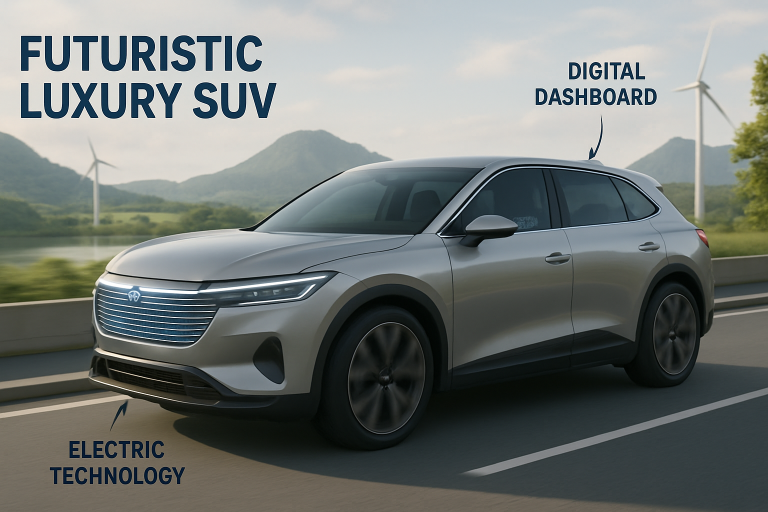

Future Trends in Luxury SUVs: What to Expect in the Coming Years

Luxury SUVs are evolving rapidly, with the interplay of innovation, environmental consciousness, and personalized luxury shaping the next generation of these vehicles. Status and comfort remain at the core, but new expectations are taking center stage as the luxury SUV segment adapts to meet the unique demands of modern drivers. As automakers race to integrate the latest advances, understanding the trends set to dominate this arena will help buyers and enthusiasts prepare for a new standard of luxury. Learn More

The future of luxury SUVs is set to change dramatically with advancements in electric powertrains and AI, blending cutting-edge technology with eco-friendliness and customized luxury. Manufacturers focus on performance, sustainability, and user-centric features. Safer, autonomous systems make driving more relaxing, while personalized interiors with sustainable materials reflect a refined, responsible luxury suited to new affluent consumers. Digital features like connected services and intuitive interfaces are becoming standard, shaping the evolving luxury SUV experience.

Electrification: The New Standard

The presence of electric vehicles (EVs) in the luxury SUV category is now a defining trend. With increasingly ambitious global climate goals and regulatory requirements, manufacturers are dedicating substantial resources to electrification. Leading auto groups such as BMW plan to launch an impressive range of 25 EV models by 2025, including 12 fully electric models. This move not only underscores the push for reduced emissions but also responds to discerning buyers seeking eco-conscious alternatives that do not compromise on performance or prestige. The momentum behind plug-in hybrids and all-electric options signals that electrification will be a minimum standard rather than a niche offering in the luxury sector.

Autonomous Driving: Enhancing Safety and Convenience

The capability for semi-autonomous and fully autonomous driving represents another leap forward for luxury SUVs. Industry leaders such as Audi and Mercedes-Benz are integrating sophisticated advanced driver-assistance systems (ADAS) into their high-end models, making driver fatigue a thing of the past on long highway journeys. Features such as automated lane-keeping, adaptive cruise control, and even hands-free highway driving are increasingly available, marking a shift toward a more relaxed and secure travel experience. The focus on autonomous features also supports the broader automotive goal of minimizing accidents and improving road safety.

Customization and Personalization: Tailoring the Experience

Luxury now extends far beyond the badge on the grille or the materials in the cabin. The desire for unique experiences drives wealthy consumers to seek out bespoke options that go well beyond standard trim choices. Manufacturers such as Rolls-Royce are responding with unparalleled levels of customization, offering everything from exclusive paint formulations to custom embroidery, unique wheel designs, and technology suites tailored to individual preferences. This trend amplifies the allure of exclusivity, making each luxury SUV a personal expression of its owner, whether through aesthetic details or bespoke performance tuning. This rise in bespoke services is driving significant investment across the industry.

Digitalization and AI Integration: Transforming Interfaces

The rise of digitalization and artificial intelligence is revolutionizing how drivers interact with their vehicles. AI-powered digital assistants simplify everything from navigation to climate control, while advanced infotainment systems adapt to user habits and anticipate needs. Tesla and BMW are among the most aggressive adopters, embedding deep learning technology and conversational voice controls into their flagship models. Predictive maintenance alerts and adaptive user profiles are becoming increasingly common, enabling drivers to enjoy a more seamless, intuitive connection with their vehicles. This integration makes luxury SUVs not just smarter, but also more responsive and enjoyable to own.

Sustainable Materials: Redefining Luxury Interiors

Modern luxury increasingly emphasizes sustainability, driving a dramatic shift in interior design philosophies for top-tier SUVs. Cutting-edge materials such as vegan leathers, recycled ocean plastics, and mycelium mushroom-derived textiles are replacing traditional animal leathers and synthetics. These innovations deliver rich textures and visual appeal while reinforcing a brand’s commitment to responsible luxury. Consumers are now associating premium quality with environmental accountability, and luxury automakers are responding by making ethical sourcing and low-impact manufacturing central pillars of their product lines. These efforts not only reduce environmental impact but also attract buyers who value thoughtful, forward-thinking design.

Conclusion

The future of luxury SUVs is being shaped by electrification, autonomy, digital sophistication, and a renewed commitment to sustainability. These trends are converging to elevate the driving experience and align it with the values of a new, discerning audience. The luxury SUV market is set to undergo a fundamental transformation, where innovation and responsibility coexist with comfort and exclusivity. Staying ahead of these shifts will be essential for both industry insiders and consumers who expect nothing less than the cutting edge in their vehicles.

Scheduled Transfers Are Quietly Replacing On-Demand Taxi Models for Long-Distance Mobility in Europe

Scheduled Transfers Are Quietly Replacing On-Demand Taxi Models for Long-Distance Mobility in Europe | StrategyDriven Editorial Perspective Article

The European travel landscape is evolving, and with it, the way transportation services are designed and delivered. While flexibility has traditionally defined mobility across cities and regions, businesses operating in the transport sector are increasingly shifting toward more structured and pre-arranged service models.

Instead of relying solely on on-demand taxi services, many transportation providers are now focusing on scheduled transfer solutions that align better with long-distance travel needs. This shift is not just driven by changing traveler preferences but also by operational efficiency, service predictability, and the ability to offer a more consistent customer experience.

As demand for intercity and cross-border travel continues to grow, scheduled transfers are emerging as a more scalable and reliable model for transportation businesses across Europe.

1. Greater Reliability for Long-Distance Routes

One of the biggest limitations of traditional taxi services is reliability for long journeys. While taxis are convenient for short city rides, they are not always designed for cross-city or cross-border travel.

For example, if a traveler wants to go from one European city to another — such as Prague to Vienna or Milan to Lake Como — finding a driver willing to take that trip on demand can be difficult. Even when a driver agrees, pricing may be inconsistent or unpredictable.

On the other hand, scheduled transfer services solve this issue by allowing travelers to arrange transportation ahead of time. Once the trip is booked, the driver and vehicle are confirmed in advance, eliminating uncertainty.

This reliability is particularly valuable for:

  • Airport transfers between cities.
  • Long-distance tourism routes.
  • Travel between countries.
  • Early-morning or late-night departures.

By scheduling transport beforehand, travelers avoid the stress of finding last-minute transportation for long routes.

2. Growth of Specialized Transfer Providers

Another factor driving the shift toward scheduled transfers is the emergence of transportation providers that specialize in long-distance travel rather than short urban rides.

For example, one of the newer companies operating within this model is Taxi 4 Travel LLC. Despite the word “taxi” in its name, the company does not focus on short urban rides, but on structured, pre-booked airport transfers, long-distance intercity routes, and customized private journeys designed around tourism logistics rather than traditional street-hail transport.

This type of service reflects a broader change in how transportation is evolving in Europe. Instead of functioning like traditional taxis, these providers focus on planned routes that align with travel itineraries. All in all, by combining private vehicles with pre-arranged schedules, such companies help travelers move between cities in a way that feels organized and predictable.

3. Comfort and Consistency for Longer Trips

Comfort becomes especially important when traveling long distances. A journey between European cities can take several hours, and travelers naturally want a comfortable and predictable experience.

Pre-booked transfer services often focus on providing vehicles suited for longer travel durations. These vehicles may include features such as:

  • Spacious seating.
  • Climate control.
  • Luggage capacity for extended trips.
  • Quiet and comfortable interiors.

In contrast, many traditional taxis are optimized for short urban rides and may not provide the same level of comfort for extended journeys. When transportation is scheduled in advance, travelers also know what vehicle type and service quality to expect, which adds another layer of predictability to the trip.

4. Predictable Pricing and Clear Planning

Pricing uncertainty is another reason many travelers are moving away from spontaneous taxi rides for longer journeys. Taxi fares in many cities are calculated using meters, time, distance, and sometimes additional surcharges. For long-distance trips, this can create confusion about the final cost.

Scheduled transfers typically provide clear pricing before the trip begins, which helps travelers plan their transportation budget more accurately. This pricing transparency offers several benefits:

  • No surprises at the end of the trip.
  • Easier travel budgeting.
  • Clear expectations for both travelers and drivers.

Knowing the cost in advance also makes it easier to compare transportation options when planning a multi-city itinerary.

To Sum It All Up!

As travel patterns evolve across Europe, transportation preferences are changing as well. While traditional taxis remain useful for short city rides, they are often less suited for long-distance journeys between destinations.

Scheduled transfer services are filling this gap by offering reliability, comfort, and flexibility for travelers moving between cities, airports, and tourist regions. By arranging transportation ahead of time, travelers can avoid uncertainty and focus more on enjoying their journey.

For many visitors exploring Europe, the shift toward pre-booked transfer services represents a more organized and comfortable way to travel — especially when navigating complex multi-city itineraries.

How Research in Dementia and Alzheimer’s Transforms Medical Understanding?

How Research in Dementia and Alzheimer's Transforms Medical Understanding? | StrategyDriven Editorial Perspective Article

As the global population ages, dementia and Alzheimer’s disease pose increasing challenges, both medically and socially. Dementia affects around 50 million people worldwide—a number expected to triple by the year 2050 according to the World Health Organization. Understanding these conditions has never been more critical.

Research continues to drive our knowledge forward, offering hope for improved treatments and prevention strategies. In this article, we explore the strides made in the scientific community as they transform our medical understanding of these complex diseases.

Unveiling the Mysteries of Dementia and Alzheimer’s Through Modern Research

dementia and Alzheimer research resource Recent studies in neurology have begun to unravel the intricacies of dementia and Alzheimer’s disease, illuminating the pathophysiological changes that occur in the brain. This emerging data lays the foundation for developing more targeted and effective interventions.

For example, the identification of the tau protein’s role in neurodegeneration has led to the exploration of tau-targeted therapies. New research methods, like advanced brain imaging and biomarker discovery, are crucial in bringing these insights to light.

As actionable guidance, continued support for research initiatives and clinical trials is fundamental to develop these insights into tangible treatment options. Public and private investment in these endeavors is necessary to hasten the journey from discovery to therapy.

How Breakthroughs in Genetics Are Shaping Our Understanding of Neurodegenerative Diseases

Genetic research has revealed that certain gene mutations are strongly linked with the development of Alzheimer’s and other forms of dementia. This has shifted the scientific perspective, now viewing these conditions through the lens of genetics as well as environmental factors.

One landmark finding is the association of the APOE ε4 allele with an increased risk of Alzheimer’s. Research into how this allele influences brain chemistry and structure is providing a clearer understanding of the disease process. Alzheimer’s disease genetics studies continue to uncover additional genetic risk factors, providing a comprehensive view of susceptibility and potential targets for treatment.

Individuals can now undergo genetic testing to learn about their own risk factors, allowing for more personalized and proactive care strategies. This fosters an environment where prevention can be more effectively integrated with treatment, potentially delaying onset or progression of symptoms.

Exploring the Impact of Lifestyle Factors on Alzheimer’s Prevention and Management

It’s becoming increasingly clear that lifestyle factors play a significant role in Alzheimer’s disease prevention and management. Habits such as regular physical activity, a healthy diet, and mental stimulation have been shown to mitigate risk factors for cognitive decline.

Studies suggest that diets rich in antioxidants and anti-inflammatory foods, like the Mediterranean diet, can lower the risk of developing dementia. Cognitive training exercises and social engagement also demonstrate a protective effect on brain health. These insights embody the adage that a healthy mind resides in a healthy body.

Healthcare providers can guide patients to adopt lifestyle changes that may help prevent or slow the development of dementia. Building public awareness about the importance of healthy living for cognitive health is also key for both individual wellness and reducing the societal burden of dementia.

Advancing Diagnostic Tools and Therapies for Early Intervention in Dementia Care

Enhanced diagnostic tools are paramount in the early detection and intervention of dementia, including Alzheimer’s disease. The development of more sensitive and specific biomarkers, for instance, has enabled earlier and more accurate diagnoses.

One promising therapeutic avenue is the use of monoclonal antibodies that target and clear amyloid plaques in the brain, a hallmark of Alzheimer’s pathology. While research is ongoing, initial clinical trials have demonstrated some potential in slowing cognitive decline. The refining of these therapies is a significant focus of dementia care research.

Practitioners should stay abreast of advancements in diagnostics and treatments to offer patients the benefits of the latest interventions. Also, educating the public about the significance of early screening and diagnosis is vital in the fight against dementia.

Ultimately, the intricate layers of dementia and Alzheimer’s disease are being peeled back thanks to relentless scientific research. Clinical discoveries in genetics and lifestyle factors shed light on prevention and management, while advances in diagnostics and therapeutics pave the way for more effective interventions. This ongoing research not only enlightens medical understanding but also offers hope to millions affected by these neurodegenerative diseases.

How AI Will Transform Marketing for Business Owners in 2026

How AI Will Transform Marketing for Business Owners in 2026 | StrategyDriven Editorial Perspective Article

Marketing already feels different from what it did a few years ago. Tools move faster. Trends change quickly. Business owners are expected to keep up with everything. In 2026, AI will push this change even further. It will not replace people, but it will change how work gets done. For many owners, that shift will feel both exciting and confusing at the same time.

AI Will Make Daily Marketing Tasks Feel Lighter

A lot of marketing work takes time. Writing posts. Planning emails. Sorting leads. In 2026, AI will help carry some of that weight. Simple tasks will be handled faster. This will free up time for thinking and planning.

Business owners will not need to start from scratch every day. AI tools will suggest ideas. They will organize data. They will help keep things consistent. This makes marketing feel less overwhelming. It becomes something that fits into daily work more easily.

Content Creation Will Feel More Guided

Creating content often feels stressful. Staring at a blank screen is hard. AI will help by offering starting points. It will suggest topics based on real data. It will adjust tone based on the audience.

This does not mean content becomes robotic. Owners will still shape the message. Personal voice will still matter. AI will simply help get things moving. That support can make content creation feel less heavy and more doable.

Personalization Will Feel More Natural

Customers expect personal messages now. Generic ads no longer work well. In 2026, AI will help tailor messages in a smart way. Emails will feel more relevant. Ads will feel better timed.

This happens by learning patterns. AI notices what people click. It notices what they ignore. Over time, messages improve. Business owners do not need to guess as much. Marketing feels more connected to real behavior.

Decisions Will Be Based on Clearer Insights

Marketing decisions can feel like guesses. Owners try one thing and hope it works. AI will change that feeling. Data will be easier to read. Patterns will be easier to spot.

Instead of long reports, insights will be simple. What worked will be clear. What failed will be obvious. This helps owners act faster. Better decisions will come from better understanding.

Small Businesses Will Compete More Fairly

Big brands have always had more resources. That gap is slowly shrinking. AI tools are becoming more affordable. In 2026, small businesses will have access to powerful tools too.

This levels the field in many ways. A small team can do work that once needed many people. Marketing becomes more efficient. Creativity matters more than size. This gives business owners more confidence to compete.

Marketing Strategy Will Still Need Human Thinking

Even with AI, strategy stays human. Tools can suggest ideas. They cannot understand values fully. They cannot replace judgment. Owners will still guide the direction.

This is where experience matters. Understanding customers. Knowing the brand voice. Making ethical choices. AI supports these decisions but does not make them alone. The best results come from balance.

The Role of Trusted Partners Will Still Matter

As tools grow, guidance becomes important. Not every owner wants to manage AI alone. Support from experienced teams helps. They translate technology into action.

This is where Maldonado Communications fits naturally into the picture. The focus stays on clarity. Tools are used with purpose. Strategy stays simple. Business owners feel supported instead of overwhelmed.

Marketing Will Feel More Flexible Than Before

AI allows quick changes. Campaigns can be adjusted fast. Messaging can be tested easily. This makes marketing feel more alive.

Business owners will not be locked into rigid plans. They can adapt based on results. This flexibility reduces stress. It allows space for creativity. Marketing becomes something that grows with the business.

Learning Curves Will Feel Smoother

New tools can feel intimidating. AI tools are becoming more user friendly. Interfaces are simpler. Explanations are clearer. This helps owners learn without pressure.

In 2026, learning AI will feel more natural. It becomes part of regular work. Not a separate skill. This lowers fear and builds confidence over time.

Trust and Transparency Will Matter More

As AI becomes common, trust becomes important. Customers want honesty. They want to know how their data is used. Businesses will need to be clear.

Marketing will reflect this need. Simple language will matter. Clear choices will matter. Respect builds long term relationships. AI will support trust when used carefully.

Growth Will Feel More Intentional

With better insights, growth feels planned. Owners will know why something works. They will know when to scale. AI helps avoid random decisions.

This makes growth feel steadier. Less rushed. More aligned with real goals. Business owners can move forward with clarity.

Ending Where Things Feel Possible

AI will not change marketing overnight. It will change it step by step. In 2026, business owners will feel more supported. Marketing will feel less chaotic. With the right balance of tools and human thinking, growth will feel possible and manageable.