Financial uncertainty has become a common theme in modern life, influencing how people think about their money and long-term security. Rising living costs, changing career paths, and economic fluctuations have made financial decision-making more complex than it once was. In this environment, relying on guesswork or short-term thinking often leads to unnecessary stress.
A financial plan provides structure during times of change by creating clarity and direction. Rather than reacting to circumstances as they arise, planning allows individuals to approach their finances with intention. This proactive mindset has become especially important in today’s unpredictable financial landscape.
Navigating an Increasingly Complex Financial Environment
Today’s financial environment is filled with more choices and responsibilities than ever before. From managing multiple income sources to evaluating investment options, decisions carry long-term consequences. Without a plan, it is easy to feel overwhelmed by competing priorities.
A financial plan helps organize financial decisions into a clear framework. It allows individuals to understand how short-term actions affect long-term outcomes. This clarity promotes confidence even when external factors feel uncertain.
Preparing for Change Rather Than Reacting to It
Change is no longer an exception, but an expectation. Career transitions, family changes, and healthcare concerns can all shift financial priorities quickly. Having a plan in place allows individuals to adjust strategically rather than emotionally.
Preparation reduces the urgency of crisis-driven decisions. When clear strategies already exist, change feels manageable. Planning helps ensure that adjustments support long-term goals rather than disrupt them.
Reducing Financial Stress Through Clarity
One of the greatest benefits of a financial plan is reduced stress. Uncertainty often causes anxiety, especially when money decisions feel unclear or disconnected. A plan replaces unknowns with defined steps and measurable progress.
Clarity creates a sense of control even during challenging periods. When individuals know where they stand and what they are working toward, financial confidence improves. This confidence supports better decision-making and overall well-being.
Supporting Long-Term Goals With Structure
Long-term goals such as homeownership, education funding, or retirement require intentional planning. Without structure, these goals can feel distant or unrealistic. A financial plan breaks larger objectives into manageable stages.
Structured planning turns aspirations into actionable strategies. Progress becomes easier to track and adjust as life evolves. Over time, this structure keeps long-term goals aligned with daily financial behavior.
Aligning Daily Decisions With Future Outcomes
Everyday choices have long-term implications, even if they seem small at the moment. Spending, saving, and investment decisions all shape future possibilities. A financial plan helps ensure that these decisions work together rather than against one another.
When daily behavior aligns with broader goals, consistency improves naturally. Individuals become more intentional without feeling restricted. Alignment creates balance between enjoying the present and planning for the future.
Protecting Progress in Uncertain Times
Economic shifts and market volatility can threaten financial progress if strategies are unclear or overly reactive. A financial plan helps protect progress by defining acceptable risk levels and long-term expectations. This guidance prevents panic-driven decisions during uncertainty.
Having a plan encourages steady thinking when emotions run high. Instead of making changes based on short-term fear, individuals can rely on previously established strategies. This discipline preserves long-term momentum even during unpredictable periods.
Planning for Multiple Life Stages at Once
Modern financial planning often requires balancing goals across different life stages simultaneously. Individuals may be supporting families while planning for retirement or managing debt while investing for growth. Without planning, these competing demands can feel overwhelming. A comprehensive plan integrates priorities rather than isolating them. This holistic approach helps ensure progress in multiple areas at once. Balance becomes achievable rather than aspirational.
Making Complex Decisions With Confidence
As financial situations grow more complex, decisions often carry greater consequences. Planning introduces context, helping individuals understand the implications of various options. Clarity replaces uncertainty, leading to stronger confidence in choices made.
Working with a financial advisor in Phoenix can provide additional perspective during these moments. Professional guidance helps align decisions with long-term objectives rather than short-term reactions. This collaboration supports clarity when complexity increases.
Turning Financial Knowledge Into Action
Information alone does not create financial security. Action, guided by clear planning, is what drives meaningful results. A financial plan bridges the gap between knowledge and execution. By outlining specific steps and timelines, planning transforms intention into progress. Accountability becomes built into the process. Action grounded in strategy leads to sustainable outcomes.
Conclusion
Having a financial plan matters now more than ever because uncertainty has become a defining feature of modern life. A thoughtful plan provides clarity, stability, and direction during periods of change. When finances are guided by intention rather than reaction, confidence grows and long-term goals become far more attainable.
https://www.strategydriven.com/wp-content/uploads/IMG_1635.jpeg8441500StrategyDriven - Sponsored Contenthttps://www.strategydriven.com/wp-content/uploads/SDELogo5-300x70-300x70.pngStrategyDriven - Sponsored Content2026-04-17 11:54:202026-04-17 11:54:20Why Having a Financial Plan Matters Now More Than Ever
Every day, billions of pieces of content flood the internet. In this vast digital ocean, standing out is not just an advantage, it’s a necessity. This is why Digital Content Creation has become a cornerstone of modern brand building and communication.
Digital content creation is the art and science of producing engaging materials specifically for online distribution. This includes everything from captivating videos and informative blog posts to stunning visuals and interactive experiences. Our goal is to help you understand this dynamic field.
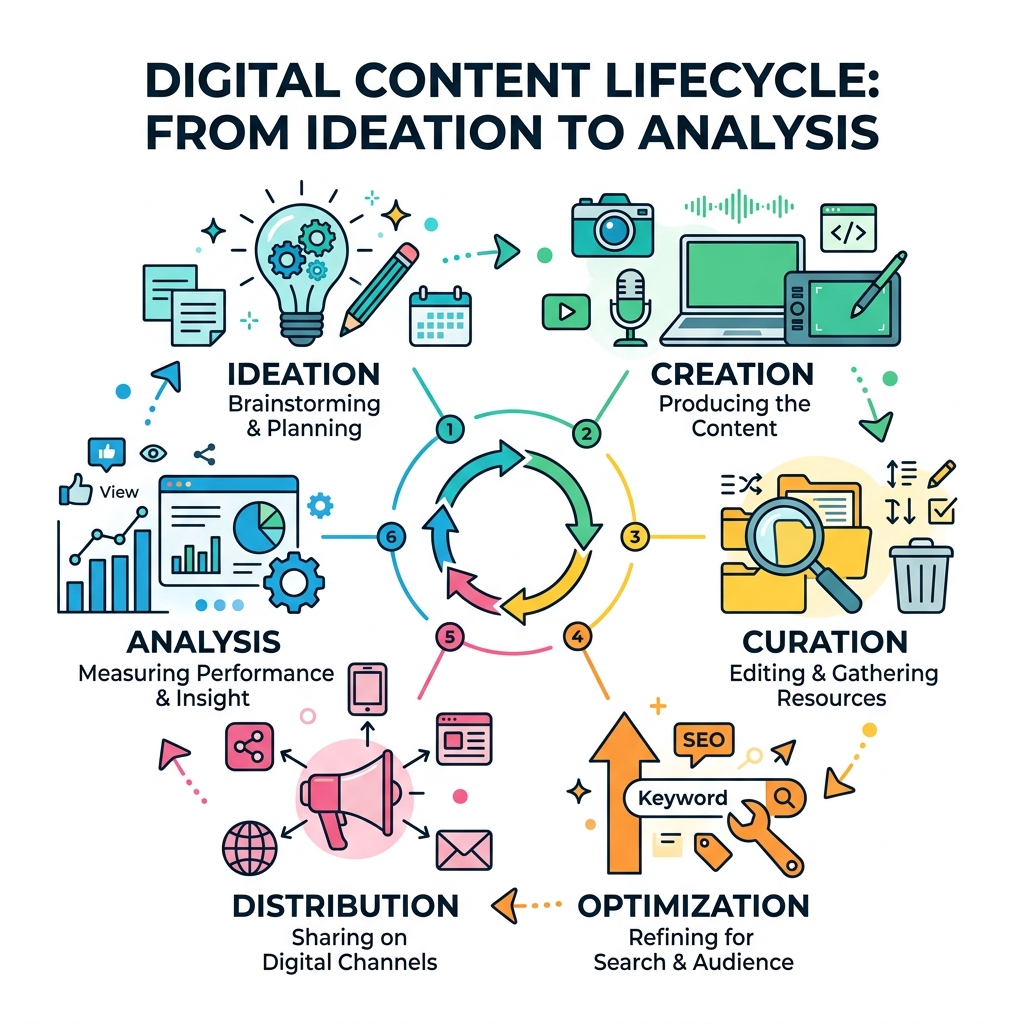
For businesses and individuals, effective digital content builds brand authority and fosters deep audience trust. We will explore the entire content lifecycle, from initial ideation and strategic planning to creation, distribution, and performance analysis. Consider this your comprehensive guide to navigating the exciting world of digital content creation.
Digital content creation encompasses a broad spectrum of formats, each designed to engage audiences across various online platforms. At its heart, it’s about crafting messages that resonate, whether through dynamic visuals, compelling audio, or insightful text. The landscape is dominated by visual and video content, reflecting how audiences consume information today. Indeed, statistics show that over 82% of all internet traffic is video, underscoring its unparalleled reach and engagement potential. Similarly, audio content, particularly podcasts, continues its impressive growth trajectory, with 62% of U.S. consumers listening to them regularly.
Beyond these, traditional written blogs remain vital, serving as foundational elements for in-depth information and SEO. The key is to leverage platforms that allow for rich, interactive experiences. Tools like Foleon offer interactive content platforms that ensure brand consistency and engagement, while Adobe Express provides an all-in-one editor to create standout content efficiently. By understanding these diverse formats and the tools available, creators can build a robust and engaging digital presence.
Visual Media and Video Production
In an increasingly mobile-first world, where almost 60% of internet users access content with a mobile device, visual media and video production are paramount. Our brains are wired to respond to visual stimuli, making images and videos incredibly effective for conveying messages and capturing attention. This innate preference means that strong visual storytelling principles are essential for any digital content creator. From short-form social media clips to long-form documentaries, video’s ability to combine audio, visuals, and narrative makes it a powerful tool for engagement.
Effective visual content goes beyond just aesthetics; it’s about communicating a message clearly and memorably. This involves careful consideration of design, composition, and the emotional impact of imagery. For video, this extends to pacing, sound design, and narrative structure, all working together to maximize viewer engagement and retention. The goal is to create content that not only looks good but also tells a compelling story and drives desired actions.
Written and Interactive Digital Content Creation
While video captures attention, written and interactive content plays a crucial role in building deeper understanding and fostering loyalty. Search engines prioritize content that matches user search intent, making well-crafted written content indispensable for organic discovery. This includes blog posts, articles, and whitepapers that provide valuable information and establish expertise.
Interactive digital content, such as gated content like e-books or interactive infographics, takes engagement a step further. Gated content often requires users to provide information (like an email address) in exchange for high-value resources, effectively turning casual visitors into leads. Interactive elements, whether quizzes, polls, or dynamic charts, encourage user participation and make information more digestible and memorable. Platforms like Foleon specialize in creating interactive content that maintains brand consistency, while tools like Visme allow for the creation of engaging infographics and presentations. This blend of informative writing and interactive experiences ensures that audiences not only consume content but actively engage with it, building a stronger connection with the brand.
Mastering the Content Creation Process
The journey of digital content creation is a systematic process that begins long before any content is actually produced. It starts with meticulous planning and ideation, where we brainstorm topics that align with our audience’s interests and our strategic goals. This initial phase is critical for laying a solid foundation for all subsequent efforts. Once ideas are generated, effective content creation hinges on robust keyword research, which involves identifying relevant search terms, understanding their search volume, and assessing their keyword difficulty. This data-driven approach ensures that our content is not only engaging but also discoverable by our target audience.
Many creators benefit from using comprehensive tools that streamline this process. Resources like “Mastering Digital Content Creation” offer insights into various tools, while platforms like Visme provide powerful all-in-one suites to save time and enhance efficiency throughout the content creation workflow. By leveraging these resources and adopting a structured approach, we can move from abstract ideas to concrete, high-performing content.
Audience Research and SEO Strategy
To create truly effective digital content, we must first understand who we are trying to reach. This involves developing detailed buyer personas that outline our target audience’s demographics, interests, and, most importantly, their pain points and challenges. By deeply understanding these aspects, we can tailor content that directly addresses their needs and offers solutions.
Our SEO strategy begins with thorough keyword research. Tools like Ubersuggest and Answer the Public help us uncover relevant keywords and common questions our audience asks. We can then refine this by checking search volumes using Google Keyword Planner and even calculating the Keyword Golden Ratio to identify low-competition, high-potential keywords. Beyond keywords, SERP (Search Engine Results Page) analysis helps us understand what content is already ranking and how we can create something even better. The ultimate goal is to increase organic traffic, which often involves building a strong backlink profile to enhance our content’s authority and visibility.
Optimizing Digital Content Creation for Social Platforms
Each social media platform has its unique audience, algorithms, and preferred content formats. What performs well on Instagram might not succeed on LinkedIn or TikTok. Therefore, optimizing digital content creation for social platforms requires a tailored approach. We must understand the algorithm trends of each platform to maximize reach and engagement. For instance, TikTok’s algorithm often favors creative, authentic, and short-form video content, while X (formerly Twitter) excels for quick updates and link sharing.
To maintain consistency and plan effectively, content calendars are invaluable. They help us schedule posts, track campaigns, and ensure a steady stream of relevant content. Effective community management is also crucial, as it fosters interaction and builds loyalty. By adapting our content to platform-specific formats and engaging with our audience, we increase the viral potential of our content, extending its reach far beyond our immediate followers.
Professional Development and Career Outlook
The field of digital content creation is dynamic, demanding a blend of creativity, technical proficiency, and strategic thinking. Aspiring creators often need to master a range of skills, from graphic design to video editing, to produce high-quality content across various mediums. Whether someone is passionate about visual storytelling through photography, perhaps even specializing in a niche like Digital content creation for birds, or crafting engaging video narratives, continuous skill development is key. The right tools can significantly enhance efficiency; for example, platforms like Canva Business offer content creation tools that help us design faster and maintain brand consistency, empowering teams to produce professional-grade visuals with ease.
The career path for digital content creators is diverse and promising, reflecting the growing demand for engaging online experiences. Understanding the essential skills and educational pathways, as well as the job market trends, can help individuals navigate this exciting profession.
Essential Skills and Education
Digital content creators need a robust skill set that combines both hard and soft skills. Adaptability is crucial, given the rapid evolution of digital platforms and trends. Strong communication skills are essential for conveying messages effectively and collaborating with teams or clients. Technical skills are non-negotiable, including proficiency in writing, editing, graphic design, and video production. Expertise in SEO is also vital for ensuring content visibility.
While practical experience and a strong portfolio are highly valued, formal education can provide a solid foundation. Many professionals pursue bachelor’s degrees in related fields such as digital content creation, media communications, or marketing. Additionally, professional certifications in areas like content marketing, video production, or specific software tools can significantly boost a creator’s credentials. Building a digital portfolio showcasing varied work samples is paramount for demonstrating capabilities to potential employers or clients.
Salary Trends and Job Market Growth
The job market for digital content creators and related media and communication occupations is experiencing significant growth. As of May 2023, the average salary for people in media and communication occupations was $66,320 per year. The U.S. Bureau of Labor Statistics projects approximately 109,500 job openings in these fields each year from 2023 to 2033, indicating a robust and expanding sector.
This positive job outlook reflects the increasing investment businesses are making in digital content. In 2024, 44% of advertisers planned to make greater investments in creator content, highlighting the perceived value of skilled content creators. Career progression in this field can range from entry-level junior content creators to senior roles like chief content officers. The flexibility of digital content creation also opens up numerous freelance opportunities, allowing individuals to work independently and serve multiple clients, often from anywhere with an internet connection. This blend of stable job growth and flexible work options makes digital content creation an attractive career path.
Leveraging Technology and Measuring Success
The landscape of digital content creation is continuously shaped by technological advancements, particularly the rise of artificial intelligence. AI integration is transforming how content is conceived, produced, and optimized, offering generative models that can assist with everything from drafting text to creating images. This leads to increased workflow automation, allowing creators to focus more on strategy and creativity. For those looking to stay at the forefront, exploring Innovative digital content creation techniques and tools is essential. Platforms like HubSpot’s Content Marketing Software exemplify this by offering AI-powered solutions to create, repurpose, and manage content efficiently.
Measuring the performance of our digital content is as crucial as its creation. Without robust analytics, we cannot understand what resonates with our audience, what drives engagement, or what contributes to our business objectives. This data-driven approach allows us to refine our strategies, optimize our content, and ultimately achieve better results.
Metric Type Engagement Metrics Conversion Metrics
Definition: How users interact with content How users complete desired actions
Examples:Likes, shares, comments, time on page, bounce rate Leads generated, sales, sign-ups, downloads, form submissions
Purpose:Gauge audience interest and content quality Measure business impact and ROI
Tools:Google Analytics, social media insights CRM data, e-commerce platforms, Google Analytics Goals
Impact: Builds brand awareness, community Drives revenue, customer acquisition Performance Analysis and Monetization
Effective digital content creation doesn’t end with publishing; it requires continuous performance analysis. Tools like Google Analytics provide invaluable insights into website traffic, user behavior, and engagement rates. By tracking metrics such as time on page, bounce rate, and social shares, we can assess how well our content is resonating with our audience. However, true success is often measured by ROI tracking, which links content efforts directly to business outcomes like lead generation and sales.
Monetization strategies for digital content creators are diverse. Beyond direct sales of products or services, creators can generate income through affiliate marketing, where they earn commissions by promoting other companies’ products. Sponsored content, where brands pay creators to feature their products or services, is another popular avenue. Subscription models, offering exclusive content for a recurring fee, also provide a stable revenue stream. Understanding these options allows creators to build sustainable careers and maximize the value of their content.
The Impact of AI and Emerging Tech
Artificial intelligence is rapidly reshaping the digital content creation landscape. AI-powered tools are now capable of assisting with everything from prompt engineering for generating ideas to automating content repurposing, transforming a single piece of content into multiple formats suitable for different platforms. Automated translation services, such as those offered by Adobe Express, can now translate content into over 45 languages while preserving context and tone, significantly expanding global reach.
However, the integration of AI also brings ethical considerations to the forefront, including concerns about misinformation, copyright, and authenticity. As we embrace these technologies, it’s crucial to maintain human oversight and ensure that AI serves as an enhancement to creativity rather than a replacement. The future of digital content creation will likely see a symbiotic relationship between human ingenuity and technological capabilities, driving new trends and possibilities.
Frequently Asked Questions about Digital Content Creation
1. What are the most common mistakes digital content creators should avoid?
Digital content creators should strive to avoid several common pitfalls that can undermine their efforts. One significant mistake is neglecting audience research; without understanding who you’re speaking to, your content is unlikely to resonate. Another common error is keyword stuffing, which can harm SEO and diminish content quality. Ignoring mobile optimization is also a critical oversight, given that a majority of internet users access content on mobile devices. Inconsistent branding across platforms can confuse audiences and erode trust, while a lack of clear calls-to-action can leave audiences unsure of what to do next, missing valuable conversion opportunities.
2. How does a digital content creator differ from a traditional content creator?
The primary distinction lies in the medium and distribution. A traditional content creator might produce materials for print media, broadcast television, or physical publications. In contrast, a digital content creator focuses exclusively on online channels, such as websites, social media platforms, and streaming services. This specialization means digital creators leverage interactive formats, benefit from real-time analytics to measure performance, and utilize digital distribution channels for broader reach. Their work often involves multimedia integration, blending text, images, audio, and video to create dynamic online experiences.
3. How often should evergreen digital content be updated?
Evergreen content, which remains relevant and valuable over a long period, still requires periodic maintenance to stay fresh and accurate. Best practices suggest reviewing evergreen posts every six to twelve months. During these reviews, it’s important to update any statistical information, verify external links to ensure they are still active and relevant, and re-optimize the content for SEO based on current keyword trends and algorithm changes. Regular refreshes help maintain the content’s authority, search engine ranking, and continued value to the audience.
Conclusion
The world of digital content creation is a vibrant and essential domain for any brand or individual looking to thrive in the online sphere. With the global digital content creation market revenue reaching an astounding $27 billion in 2023, the importance of this field is undeniable. Success hinges on a combination of strategic consistency, a steadfast commitment to quality over quantity, and a deep understanding of audience needs.
By embracing the diverse formats available, mastering the content creation process from ideation to analysis, and continuously developing essential skills, creators can build a powerful online presence. Leveraging cutting-edge technology, including AI, and meticulously measuring performance are key to achieving long-term growth and fostering lasting audience retention. As the digital landscape continues to evolve, those who skillfully navigate the art and science of digital content creation will undoubtedly be the ones who elevate their brands and connect most effectively with their audiences.
https://www.strategydriven.com/wp-content/uploads/IMG_1636.jpeg11151338StrategyDriven - Sponsored Contenthttps://www.strategydriven.com/wp-content/uploads/SDELogo5-300x70-300x70.pngStrategyDriven - Sponsored Content2026-04-16 21:37:122026-04-16 21:38:32Elevating Your Brand: Digital Marketing and Visual Content
Why do some marketing campaigns generate measurable business results while others barely justify their spend? In B2B, the difference often comes down to trust and relevance—not just reach.
Today’s buyers are more informed than ever. In fact, studies show that most of the B2B buyers trust content from industry experts and influencers more than traditional brand messaging, making influencer-driven strategies increasingly valuable in decision-making processes. At the same time, B2B sales cycles are longer and more complex, which means every marketing effort needs to contribute meaningfully to ROI.
This is where influencer marketing is evolving. It’s no longer about visibility alone—it’s about credibility, alignment, and measurable outcomes. When done right, B2B influencer marketing improves brand awareness and how effectively your marketing budget turns into real business results. Here’s how.
1. Builds Trust That Speeds Up Decision-Making
In B2B, trust is everything. Buyers don’t make impulsive decisions—they research, compare, and validate before committing.
Influencers in this space are often industry experts, consultants, or thought leaders whose opinions carry weight. When they share insights or recommendations, it reduces skepticism and builds confidence among potential buyers.
This leads to:
Faster decision-making cycles.
Higher confidence in your brand.
Stronger credibility in competitive markets.
Instead of starting from scratch, your brand enters conversations with an existing layer of trust.
2. Aligns Marketing Efforts With Measurable Business Goals
One of the biggest misconceptions about influencer marketing is that it’s difficult to measure. But in B2B, the focus is shifting toward performance-driven campaigns.
Working with structured B2B influencer marketing services ensures that campaigns are aligned with clear objectives—whether it’s lead generation, brand authority, or pipeline growth.
For example, trusted agencies like Cherry Lane Media specialize in building campaigns that connect influencer activity with business outcomes. Instead of focusing only on reach, they design strategies around targeted audiences, content performance, and measurable engagement—helping businesses track how influencer efforts contribute to actual ROI.
This approach brings clarity to:
Campaign performance.
Lead quality.
Return on investment.
When strategy and execution are aligned, results become easier to measure and optimize.
3. Targets the Right Audience Instead of a Broad One
One of the biggest challenges in B2B marketing is reaching the right audience—not just a large one. Unlike traditional campaigns that focus on impressions, influencer marketing allows you to tap into niche communities where your ideal audience is already engaged.
This improves ROI by ensuring your efforts are focused where they matter most. It also reduces wasted spend on audiences that are unlikely to convert, making your campaigns more efficient overall. When your message reaches people who already have an interest or need, the chances of meaningful interaction increase significantly.
With a targeted approach:
You reach decision-makers, not just viewers.
Engagement becomes more meaningful.
Conversion potential increases.
Quality of reach matters more than quantity—and this is where influencer marketing excels.
4. Turns Content Into a High-Performing Asset
Content is a major investment in B2B marketing—but not all content performs equally. Influencer-led content tends to perform better because it combines expertise with relatability. Instead of brand-driven messaging, it feels more authentic and insight-driven.
This type of content can be repurposed across multiple channels, increasing its overall value. It also allows brands to tap into the influencer’s existing audience, giving the content a stronger initial reach and credibility boost. Over time, this creates a compounding effect where a single piece of content continues to generate engagement across different platforms.
When content is both credible and reusable, it delivers stronger returns over time.
5. Improves Long-Term Marketing Efficiency
ROI isn’t just about immediate results—it’s also about long-term efficiency. B2B influencer marketing helps build a foundation of trust, content, and audience engagement that continues to deliver value over time. Instead of constantly starting new campaigns from scratch, you build on existing momentum.
This leads to:
Lower cost per lead over time.
Stronger brand positioning.
More sustainable marketing performance.
As relationships with influencers grow, campaigns become more effective and efficient. Over time, this compounds into better overall ROI.
To Sum It All Up!
Improving marketing ROI in B2B isn’t about spending more—it’s about spending smarter. And that means focusing on strategies that deliver both credibility and measurable impact.
B2B influencer marketing services offer a way to do exactly that. By combining trust, targeted reach, and strategic execution, they help turn marketing efforts into meaningful business results.
When done right, it’s not just another channel—it’s a long-term asset that supports growth, engagement, and efficiency. And in today’s competitive landscape, that kind of impact makes all the difference.
https://www.strategydriven.com/wp-content/uploads/IMG_1632.jpeg10001500StrategyDriven - Sponsored Contenthttps://www.strategydriven.com/wp-content/uploads/SDELogo5-300x70-300x70.pngStrategyDriven - Sponsored Content2026-04-16 21:03:282026-04-16 21:03:285 Ways B2B Influencer Marketing Services Can Improve Your Marketing ROI
Every retail environment is thoughtfully designed, yet many stores still struggle with sections that consistently receive little attention. These low-traffic areas, often unnoticed, can quietly impact both sales performance and the overall customer experience. While some parts of a store naturally draw shoppers in, others require intentional strategies to maximize their potential and ensure every square foot contributes to success.
What Causes Dead Zones
Low-traffic areas often result from layout challenges, limited visibility, or poor accessibility. Corners that feel disconnected, aisles that lead to dead ends, or spaces obscured by fixtures or structural elements are common examples. Lighting and ambiance also play a role. Customers are naturally drawn to areas that feel bright, open, and inviting, while dim or closed-off spaces may be unintentionally avoided.
How They Affect the Shopping Experience
When shoppers skip over entire sections of a store, the impact extends beyond missed sales in those specific areas. The overall flow of the shopping experience can feel disjointed, making it harder to create a cohesive and engaging environment. Customers who move easily through a space are more likely to discover products, stay longer, and feel more connected to the brand. Dead zones interrupt that flow, reducing engagement and limiting opportunities for discovery.
Approaches to Re-Engage Shoppers
Improving low-traffic areas begins with understanding how customers move through the space. Strategic displays can create visual focal points that draw attention, while interactive or digital features can add energy that static elements lack. Sensory details, such as improved lighting or subtle visual enhancements, can also make these areas feel more welcoming.
Flexibility is equally important. Retailers who regularly update displays, introduce seasonal features, or rearrange products can keep the environment fresh and engaging. When customers notice change and variety, they are more likely to explore beyond their usual paths. Even small adjustments, like grouping complementary items together, can turn a quiet section into a point of interest.
Using Technology to Optimize Space
Technology offers new ways to address low-traffic zones with greater accuracy. Tools like heat mapping, digital signage, and adaptive displays allow retailers to track customer movement and respond in real time. Rather than relying on assumptions, businesses can use data to determine where to place promotions, staff, or interactive features. This ongoing feedback supports continuous improvement and helps ensure every area of the store contributes to both sales and the overall experience.
Retail success depends on more than product selection alone. It requires creating an environment that encourages exploration at every step. By transforming underused areas into engaging spaces, retailers can unlock hidden potential and deliver a more dynamic and rewarding shopping experience.
Explore the resource that accompanies this article for additional insights into addressing retail dead zones.
https://www.strategydriven.com/wp-content/uploads/IMG_1658.jpeg7201280StrategyDriven - Sponsored Contenthttps://www.strategydriven.com/wp-content/uploads/SDELogo5-300x70-300x70.pngStrategyDriven - Sponsored Content2026-04-16 15:00:412026-04-24 15:32:39Retail Dead Zones: Identifying and Revitalizing Low-Traffic Areas
In today’s rapidly evolving real estate market, smart home technology is revolutionizing the way buyers search for, evaluate, and purchase homes. From AI-driven property searches to immersive virtual tours, these advancements are making the homebuying process more efficient and personalized than ever before. For those navigating this modern landscape, partnering with knowledgeable professionals is crucial. Wichita Falls TX real estate experts Bishop Realtor Group, a trusted name in North Texas real estate for over three decades, offer invaluable guidance. Their deep understanding of current market trends and technological advancements ensures that buyers are well-informed about properties featuring the latest smart home technologies, helping them make decisions that align with their preferences and lifestyle.
AI-Powered Property Searches
Artificial intelligence is reshaping how buyers find homes. Real estate platforms now utilize machine learning algorithms to analyze user preferences, presenting tailored property recommendations that align with individual needs and desires. This personalized approach saves time and enhances the overall search experience.
With AI’s ability to analyze vast databases instantly, buyers no longer have to sift through countless irrelevant listings. Intelligent systems can interpret subtle preferences, like architectural styles or proximity to technology hubs, and seamlessly match them with available properties. In addition, AI-driven chatbots are available to assist with inquiries 24/7. These bots help answer questions quickly, schedule tours, and even provide insights about local neighborhoods, further customizing the property discovery journey for prospective buyers.
Virtual Tours and Augmented Reality
Gone are the days of relying solely on in-person visits. Virtual tours and augmented reality allow buyers to explore properties remotely, providing a realistic sense of space and layout. These tools enable potential homeowners to narrow down their options efficiently, focusing on properties that truly meet their criteria.
The latest advances in augmented reality (AR) enable users to visualize furniture placement, color schemes, and even potential renovations within a space using their smartphones or headsets. As a result, buyers gain a better feel for how a property fits their lives without setting foot inside. This is especially beneficial for out-of-town buyers or those with limited time for travel. Many listings now include 3D models and virtual staging, giving home shoppers a clear picture of the property’s potential and allowing them to make quicker, more informed decisions.
Streamlined Transactions with Blockchain
Blockchain technology is introducing transparency and efficiency into real estate transactions. By securely recording and verifying each step of the process, blockchain reduces the need for intermediaries, minimizes paperwork, and accelerates closing times. This innovation offers buyers a more seamless and trustworthy purchasing experience.
Digital contracts and blockchain-powered escrow services help reduce the possibility of fraud and errors. Buyers and sellers can access immutable transaction records, which builds trust between all parties. Furthermore, the efficiency gains from digitizing documentation shorten transaction timelines, making homeownership more attainable. This level of transparency and security is particularly appealing to first-time buyers, who may be navigating the process and want the peace of mind that technology can provide.
Smart Features Enhancing Property Value
Modern buyers are increasingly attracted to homes equipped with smart features. Devices such as smart thermostats, lighting systems, and security cameras not only offer convenience but also enhance energy efficiency and safety. Properties equipped with these technologies often see increased market value and appeal.
These features can also lead to long-term cost savings by optimizing energy use and minimizing resource waste. Smart irrigation systems, remote-controlled blinds, and appliances connected to a central hub foster a sense of futuristic living. Moreover, advanced security systems, such as video doorbells, motion sensors, and remote monitoring, add an extra layer of protection. When it comes time to sell, homes with integrated technology often have a competitive edge, attracting tech-savvy buyers who are willing to pay a premium for these modern amenities.
Meeting Buyer Expectations
As smart home technology becomes more prevalent, buyers expect these features as standard. Homes lacking integrated smart systems may be at a competitive disadvantage. Sellers and builders are recognizing this trend, incorporating smart technologies to meet market demands and enhance property desirability.
Builders are increasingly collaborating with tech companies to include pre-installed devices, such as voice-activated assistants and wireless hubs. The result is a seamless experience for buyers who want instant connectivity and automation upon moving in. Real estate agents now regularly highlight smart home features in listings to attract more interest. As buyers become increasingly accustomed to a digital lifestyle, their expectations will only continue to evolve.
Challenges and Considerations
While the benefits are clear, integrating smart home technology comes with challenges. Compatibility between devices, data privacy concerns, and the need for ongoing maintenance are factors buyers should consider. It’s essential to assess the reliability and security of smart systems before making a purchase.
Homeowners should also consider the costs of upgrades and future-proofing. Keeping systems updated and secure requires periodic software patches and, occasionally, hardware replacement. For those concerned about privacy, choosing trusted brands and ensuring encrypted communications is crucial. Consulting with professionals can help buyers understand installation requirements and long-term maintenance obligations, ensuring their investment is both functional and secure.
The Future of Smart Home Integration
Looking ahead, the integration of smart home technology is set to deepen. Innovations in AI, the Internet of Things (IoT), and home automation will continue to shape the real estate landscape. Buyers can anticipate more intuitive, interconnected home environments that further enhance comfort and convenience.
Future trends may include voice-activated control of nearly all household systems, adaptive lighting and climate control based on the occupants’ routines, and smart appliances that communicate with each other to optimize resource use. In addition, improvements in interoperability standards will facilitate more seamless integration between products from different manufacturers. As technology continues to evolve, the homes of tomorrow will not only be places to live but also responsive environments that actively enhance the quality of life for their inhabitants.
Embracing smart home technology is no longer a luxury but a standard in today’s homebuyingexperience. By understanding and leveraging these advancements, buyers can find homes that offer both modern conveniences and long-term value.
https://www.strategydriven.com/wp-content/uploads/IMG_1630.jpeg8741389StrategyDriven - Sponsored Contenthttps://www.strategydriven.com/wp-content/uploads/SDELogo5-300x70-300x70.pngStrategyDriven - Sponsored Content2026-04-15 19:01:492026-04-15 19:01:49How Smart Home Technology Is Transforming the Homebuying Experience
 A VETERAN OWNED SMALL BUSINESS |







 Business Programs