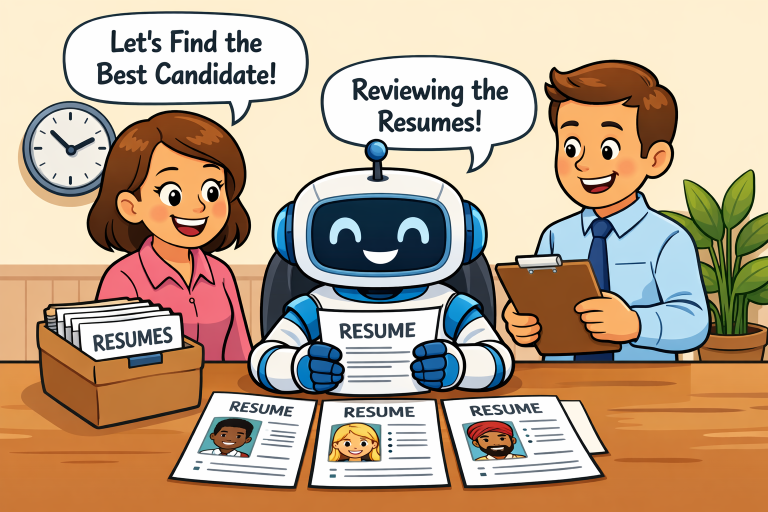
Recruitment has evolved significantly as organizations increasingly adopt artificial intelligence and automation to enhance how they source and engage talent. These advanced hiring technologies streamline repetitive tasks while uncovering deeper insights from candidate data, making them indispensable in modern recruitment. As a result, expectations around efficiency and decision-making in talent acquisition continue to rise. With more companies aiming to scale their hiring efforts, gaining clarity on the applicant tracking system definition has become essential. This growing interest is not limited to large enterprises, as smaller organizations also seek practical ways to improve and optimize their recruitment workflows.
Automating basic and time-consuming tasks, such as resume parsing and interview scheduling, allows recruiters to devote more energy to networking and strategic activities that add core value. AI can review and rank candidates at a scale and speed that is simply impossible for human recruiters. As a result, companies can enhance candidate quality and build more robust talent pipelines for future growth.
Enhancing Efficiency and Decision-Making
Through advanced algorithms, AI-powered recruitment tools can swiftly screen thousands of resumes and social media profiles, pinpointing applicants whose skills and backgrounds align with job requirements. This approach greatly reduces time-to-hire and helps recruiters focus on high-potential candidates rather than sifting through applications manually. Predictive analytics is another emerging field in which smart systems analyze data from previous hires to forecast an applicant’s likelihood of success within an organization. These insights empower hiring managers to make better-informed, data-driven choices and minimize costly hiring mistakes.
The shift toward data-driven hiring decisions is also backed by research from larger organizations. According to a recent Harvard Business Review article, companies leveraging AI have reported higher retention rates and greater overall job satisfaction among new hires. This improvement stems from a tighter alignment between job roles and candidate skills, reducing mismatch and turnover.
Reducing Bias and Promoting Diversity
AI’s potential to promote fairer hiring processes is one of its most exciting benefits. When properly designed, these systems focus on skills, experience, and other objective qualifications, minimizing the impact of unconscious bias on human decision-makers. By structuring candidate evaluation around predetermined competencies rather than subjective impressions, smart technology can help create more diverse applicant pools and drive inclusion.
However, there remain challenges related to biases embedded within AI training data. If algorithms are developed on biased historical hiring data, they may unintentionally learn and perpetuate these patterns. For this reason, regular auditing and refinements are essential to ensure these tools work as intended, supporting fairness and equal opportunity. Human oversight and ethical considerations must remain central to any hiring technology strategy.
Challenges and Considerations
Despite the many benefits, integrating AI into the recruitment process also comes with challenges. Over-reliance on technology can sometimes lead to impersonal experiences, alienating candidates or missing nuanced qualities that a human recruiter might detect. Furthermore, the complexity of some AI tools can create transparency issues; candidates and organizations may not always clearly understand how certain hiring decisions are reached.
Organizations should view AI as an assistant rather than a replacement for human judgment. Blending automated processes with thoughtful, human-led review will help ensure that hiring remains fair and that promising candidates are not overlooked due to system limitations. As TechTarget highlights, ensuring AI-driven recruitment is implemented responsibly requires ongoing evaluation and a clear understanding of its benefits and risks.
Real-World Applications
Many organizations are leading the way in adopting AI-driven hiring tools to improve the recruitment experience. For example, AI chatbots are increasingly deployed to handle initial candidate engagement, answer frequently asked questions, and automate interview scheduling. This technology enables a smoother and more responsive application process. Additionally, advanced platforms analyze candidates’ recorded video interviews, extracting insights from both verbal responses and non-verbal cues such as facial expressions and body language. These improvements streamline assessment without sacrificing the depth of candidate evaluation.
The practical uses of smart hiring technology go well beyond resume screening. Some systems integrate with platforms like LinkedIn to source passive candidates who may not have formally applied. This outreach expands talent pools and attracts highly sought-after professionals who may not be active job seekers.
Future Trends in Recruitment Technology
The pace of technological innovation in recruitment shows no signs of slowing. The next wave of advancements includes exploring virtual reality (VR) and augmented reality (AR) for job previews and skill assessments. These experiences provide candidates with immersive looks at actual work environments and allow employers to assess abilities in simulated real-world scenarios. Additionally, integrating AI with broader HR systems will facilitate seamless workflows from hiring to onboarding and employee development.
One compelling trend is the rise of ethical AI, where transparency, data privacy, and fairness are prioritized. As adoption grows, employers will need to invest not just in smarter tools but also in ongoing monitoring and governance to ensure safe, principled use. Thought leaders and organizations alike continue to look for ways to maximize benefits while proactively addressing potential risks.
Conclusion
Smart hiring technologies are profoundly altering the recruitment landscape. They unlock greater efficiency, minimize unconscious bias, and drive better hiring outcomes through data-backed insights. Yet, the path forward blends innovation with responsibility. Human oversight, ethical considerations, and continuous evaluation are critical to harnessing the full promise of AI while avoiding its pitfalls. As these tools grow in sophistication and adoption, companies ready to combine advanced technology with thoughtful people practices will gain a clear edge in the future of talent acquisition.
When you open a 529, you’re picking a long-term partner for your child’s future. The right plan compounds tax-free, keeps fees low, and delivers deductions that feel like a yearly rebate.
Midwestern savers enjoy the best of both worlds: rich state perks and several nationally elite, low-cost plans. But new rules—from K–12 tuition to Roth rollovers—add complexity.
This guide cuts through the noise. We’ll share our 2026 data-backed scoring rubric, then spotlight five plans that lead on returns, cost, and tax breaks, so you know exactly where your next college-fund dollar belongs.
Let’s get started.
How We Built the 2026 Midwest 529 Scoreboard
First, we treated each 529 plan like a mutual-fund analyst: every data point fed a rubric, and each score rolled up to a clean 100-point scale. That keeps our praise and our criticism anchored in data, not gut feel.
We pulled fresh figures from Q4 2025 plan disclosures, Morningstar medal reports, and state-treasurer filings. Performance covers one-, three-, and five-year returns for the default age-based portfolios. Fee data include program, underlying-fund, and state-administration charges. Tax rules were double-checked against Savingforcollege’s latest state guide, which also flags the nine tax-parity states—Kansas and Ohio among them—that reward residents for any 529 contribution, not just their home plan.
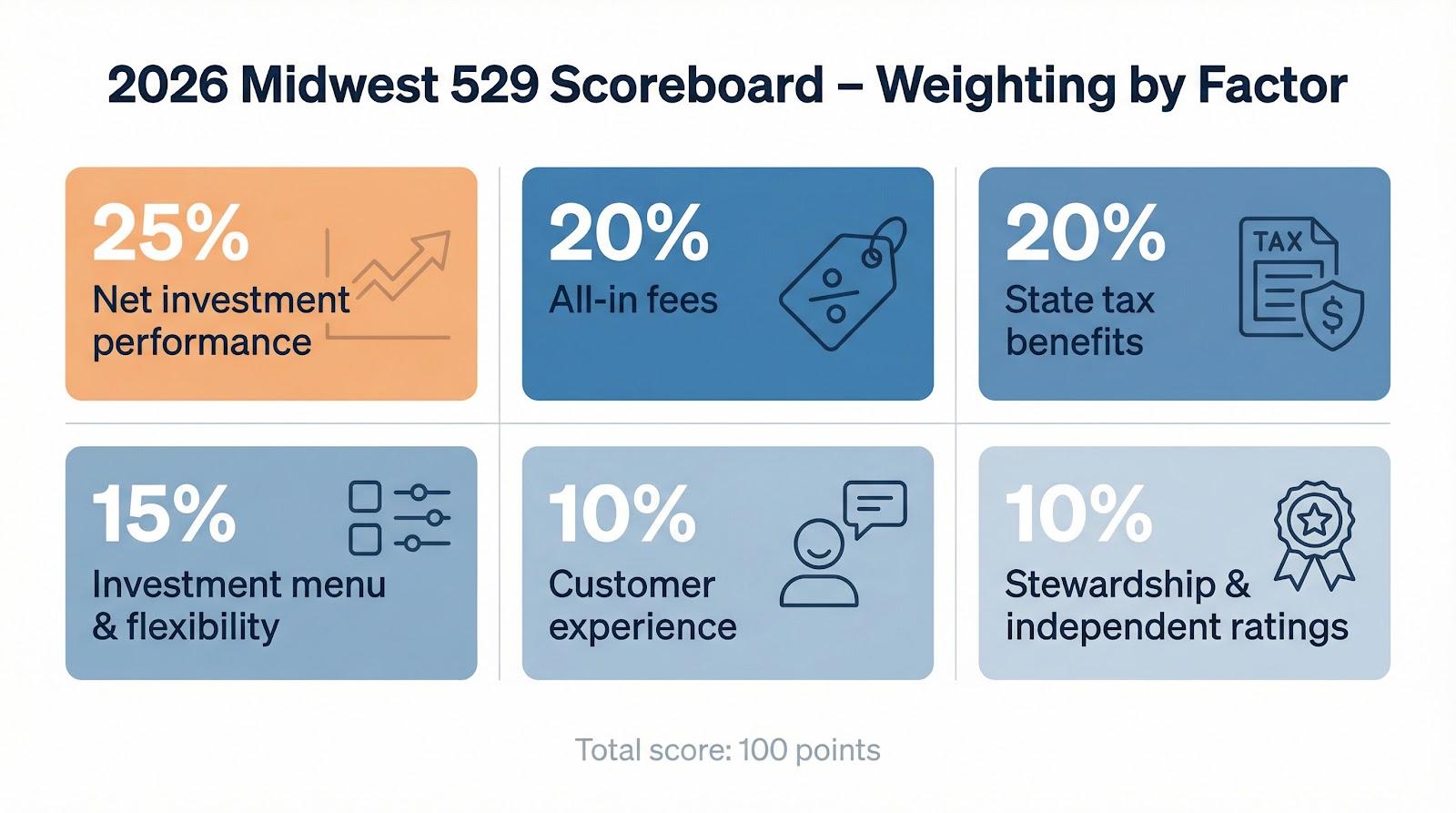
Here’s the weight grid we used:
Net investment performance – 25 percent
All-in fees – 20 percent
State tax benefits – 20 percent
Investment menu and flexibility – 15 percent
Customer experience – 10 percent
Stewardship and independent ratings – 10 percent
Each factor is normalized, then multiplied by its weight. The math produces a single score that lets a high-performing, no-frills plan compete with a flashier option that leans on bigger tax perks.
Scores reset every year, so a plan that trims expenses or upgrades digital tools can jump ahead quickly. That pressure works in your favor: Midwest plans keep refining, and savers reap the reward.
1. Illinois Bright Start 529 College Savings Plan
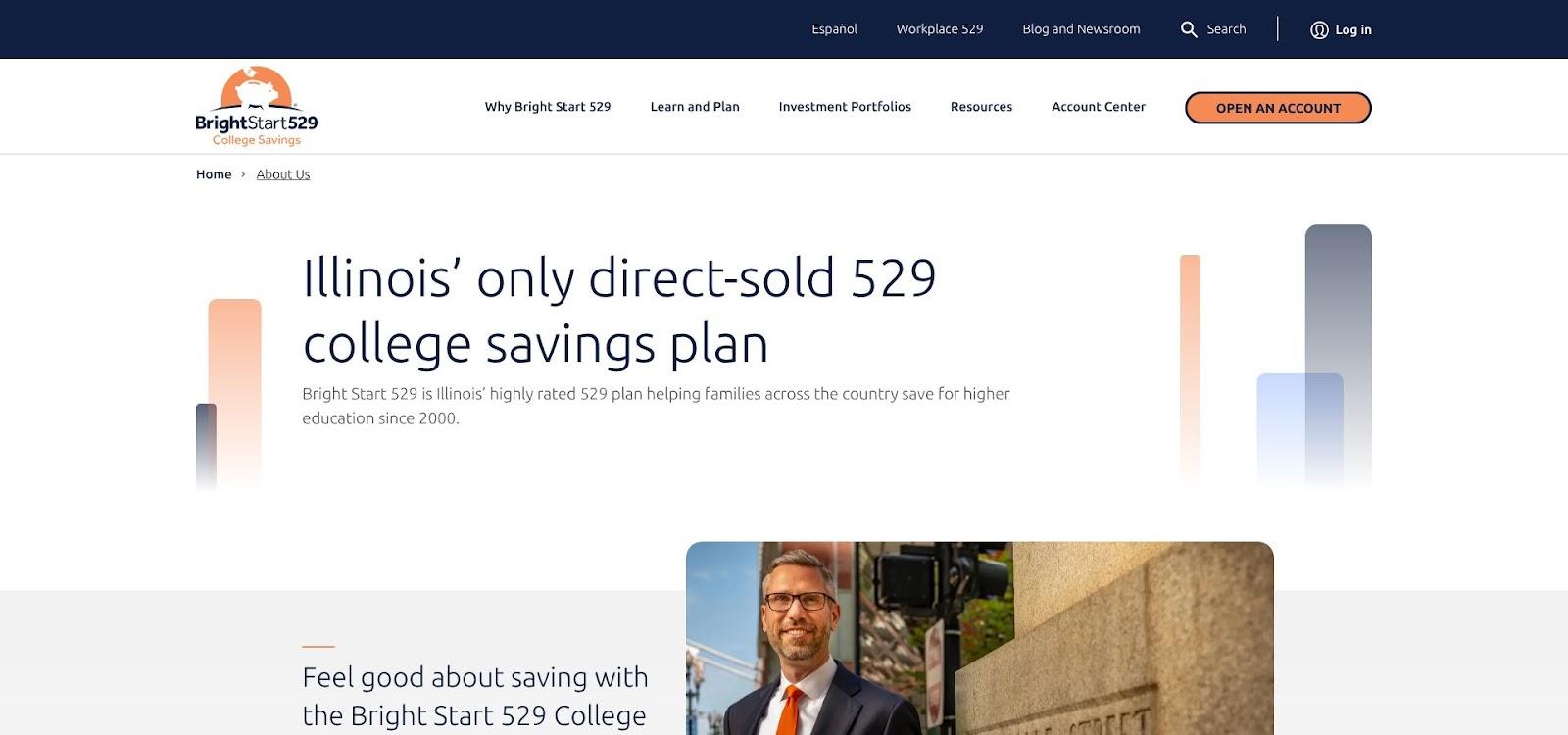
Illinois families have already set aside more than $12.5 billion through the Illinois Bright Start 529 College Savings Plan, proof that Bright Start checks every box. Morningstar has stamped it Gold again, and the state treasurer keeps pushing manager TIAA to shave costs and polish the tech. In late 2024 expenses fell about thirteen percent and a clean mobile app arrived, so you can nudge contributions or share a gifting link while waiting in the school pick-up line. Illinois families also pocket one of the richest deductions in the nation: up to ten thousand dollars for single filers or twenty thousand dollars for joint filers each year. That money stays in your pocket today and still grows tax-free tomorrow.
Performance holds up its end of the deal. The age-based “Enrollment Year” tracks have outpaced benchmark blends over one-, three-, and five-year windows, and they do it with index-fund pricing that would make many exchange-traded funds blush. Vanguard, DFA, and other best-of-breed managers sit side by side, giving the portfolio depth instead of a single-brand lineup.
Metric
Bright Start Direct
Five-year annualized return
about six point eight percent (age-based average, net)
All-in expense ratio
zero point one zero percent after the 2024 cut
State tax break
deduct ten thousand dollars single or twenty thousand dollars joint
Minimum to open
none
Account cap
five hundred fifty thousand dollars per beneficiary
Morningstar rating
Gold (seventh year)
Why It Ranks First
Cost leadership. Only Utah’s my529 comes close on price, but Bright Start wins the tiebreaker with its rich in-state tax perk.
Investor-friendly oversight. The treasurer’s office has pushed three fee cuts in seven years and added a newborn seed grant—clear signs that savers come first.
Flexibility without friction. No enrollment fee, no minimum, and a slick app make consistent saving almost effortless.
One Quick Caution
K–12 tuition withdrawals are still taxed by Illinois, so if private-school funding is on your horizon you may want a secondary out-of-state 529 for that slice. For traditional college timelines, though, Bright Start is tough to top.
2. Ohio CollegeAdvantage 529 Savings Plan
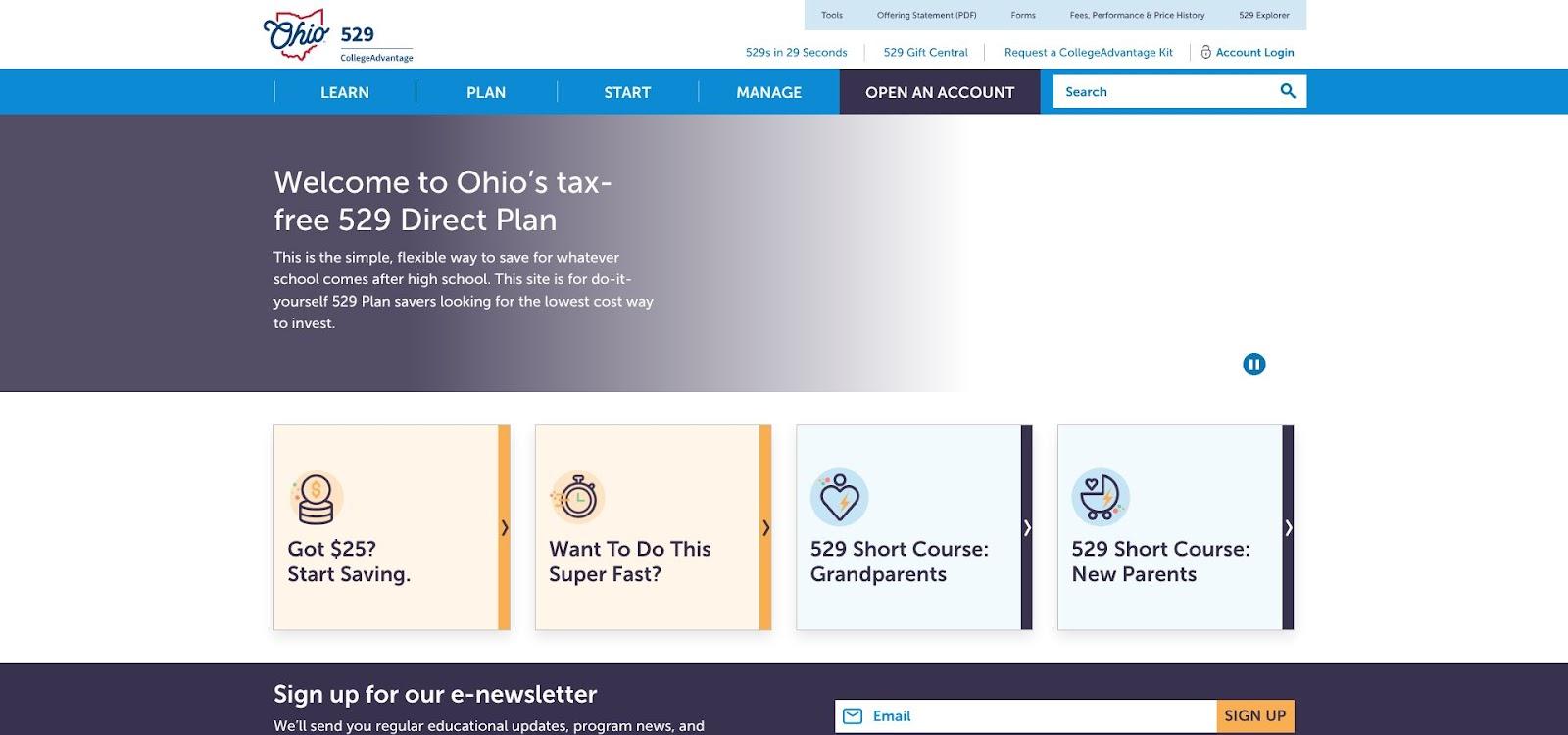
CollegeAdvantage is a workhorse that delivers where it counts: net returns and low costs. The program fee sits at zero point one three percent, with a token zero point zero two percent state charge layered on top. That puts the all-in expense near zero point one five percent, cheaper than many index mutual funds. Add five-year performance a touch above seven percent and you have a compounding machine that quietly outruns pricier rivals.
Tax treatment is the kicker. Ohio lets residents deduct up to four thousand dollars per child each year and, crucially, applies that break to any 529 plan. The fact that more than half of Buckeye savers still choose CollegeAdvantage shows the in-state option is already best in class.
Investment choice is broad but not overwhelming. Three risk-graded age-based tracks handle autopilot investors, while seventeen static portfolios cover everything from all-equity to an FDIC-insured savings option. Vanguard and Dimensional funds form the backbone, keeping expenses low and index tracking tight.
The website focuses on function over flash. You can schedule automatic drafts, link Upromise rewards, and share a gifting link with grandparents who still write paper checks. Nothing fancy, just smooth enough to keep contributions flowing.
Metric
CollegeAdvantage Direct
Five-year annualized return
about seven point one percent (age-based average)
All-in expense ratio
zero point one five percent
State tax break
four thousand dollars per beneficiary; unlimited carry-forward
Tax parity
yes, deduction applies to any plan
Morningstar medal
Silver
Two quick tips before we move on. First, front-loading a newborn’s account can create years of deductions thanks to Ohio’s carry-forward rule. Second, double-check that you are in the direct plan; the advisor-sold version carries a very different fee schedule.
3. Michigan Education Savings Program (MESP)
MESP often goes unnoticed, yet the numbers land it on any short list. Costs sit near zero point one seven percent—slightly above Illinois and Ohio—and the plan’s age-based portfolios have averaged about six point five percent a year over the past five. When every extra tenth of a percent compounds for eighteen years, that balance between fee and return matters.
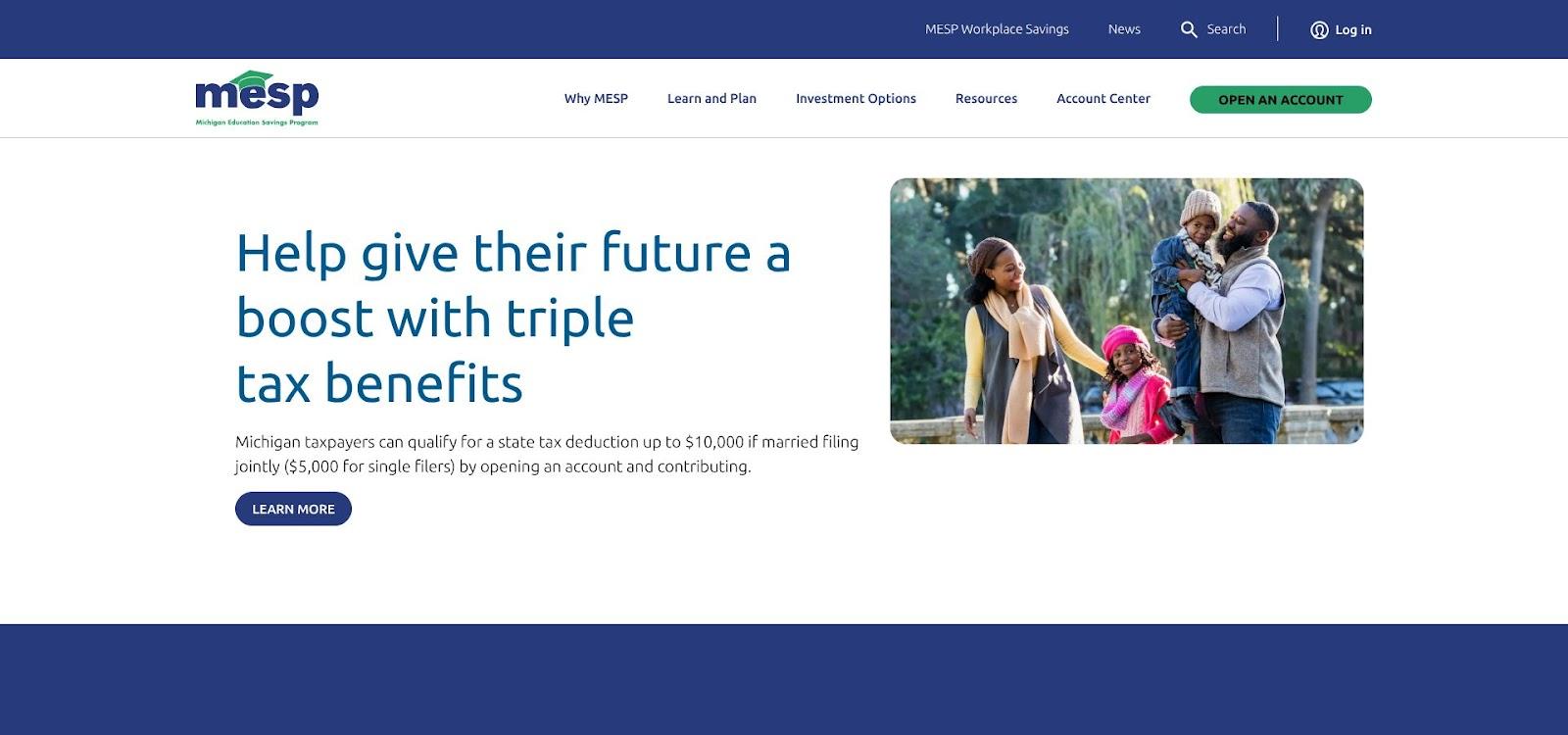
Michigan sweetens the deal with a state deduction worth up to five thousand dollars for single filers or ten thousand dollars for couples. At the flat four point two five percent state income-tax rate, that is a built-in credit of roughly two hundred twelve to four hundred twenty-five dollars every year you contribute.
Investment choice is straightforward. Three enrollment tracks—Active, Index, and Blend—let you pick a philosophy once and move on. Six static options cover specialists who want all-US equity, extra international exposure, or a conservative bond tilt. All portfolios sit on the same TIAA chassis that powers Bright Start, so the interface and automation tools feel familiar: painless recurring drafts, gifting links, and a college-cost calculator that shows whether you are on pace or need to adjust contributions.
Metric
Michigan MESP
Five-year annualized return
about six point five percent (age-based average)
All-in expense ratio
zero point one three to zero point one eight percent (track dependent)
State tax break
five thousand dollars single or ten thousand dollars joint
Minimum to open
none
Maximum balance
five hundred thousand dollars per beneficiary
Morningstar medal
Silver
Two perks deserve a spotlight. First, Michigan offers periodic matching grants or bonus deposits during 529 Day promotions, nudging families to start early. Second, the generous maximum balance makes the plan attractive for aggressive savers.
The trade-off? MESP has no ESG or specialty tracks, and K–12 tuition withdrawals trigger a state-tax clawback. If private school is in your plan, park that money in an out-of-state 529. For four-year college savers, though, MESP provides a simple path to long-term growth.
4. Wisconsin Edvest 529 College Savings Plan
Edvest was once the quiet option among Midwest plans, but two fee cuts and a refreshed glidepath have changed the story. The index track now costs about zero point two zero percent, and five-year returns sit near six point seven percent, good enough for a national top-quartile slot.
Wisconsin rewards savers with an inflation-linked deduction of five thousand two hundred eighty dollars per beneficiary for the 2026 tax year. A family with two children can shelter more than ten thousand five hundred dollars, trimming roughly five hundred twenty-five dollars from their state bill at the five percent rate. Stretch that perk over fifteen years of contributions and you build a tidy stack of tuition money.
Investment choice is broad without feeling like a buffet. Three enrollment tracks—Index, Active, and Principal Protection—cover most risk levels. Seventeen static options add specialty slices such as small-cap value, international equity, and a guaranteed stable-value fund for grandparents who prefer zero volatility.
Metric
Wisconsin Edvest
Five-year annualized return
about six point seven percent (age-based average)
All-in expense ratio
about zero point two zero percent on the index track
State tax break
five thousand two hundred eighty dollars per beneficiary (2026)
Rollover deduction
yes, incoming rollovers count as contributions
Morningstar medal
Bronze
Small touches push Edvest forward. Roll money in from another state’s 529 and that amount counts toward your deduction, effectively paying you to switch. Gifts are simple: relatives click a link, choose credit card or ACH, and the plan often waives processing fees during 529 Day promotions.
Where does Edvest fall short? The active track creeps toward zero point three zero percent, and Morningstar still awards only a Bronze for governance depth. If you want Gold-level stewardship, stick with Illinois or Ohio. For a low-cost plan paired with a flexible state perk, though, Edvest earns its seat at the table.
5. Kansas Learning Quest 529 Education Savings Program
Kansas offers a rare deal: it gives residents a tax break for any 529 plan, then challenges them to find a better option than Learning Quest. Most stay put because the home plan delivers solid value.
Fees on the index track land around zero point two two percent, and five-year returns average about six point four percent. The plan is managed by American Century, headquartered in Kansas City, so oversight meetings happen close to the state treasurer’s office—a subtle but helpful layer of accountability.
The annual deduction is modest—three thousand dollars for single filers or six thousand dollars for joint filers—yet it still trims a few hundred dollars from most state tax bills. More important, Kansas belongs to the small group of tax-parity states, so if another plan truly fits you better, you keep the deduction anyway. That competitive pressure keeps Learning Quest sharp.
Choice is the headline. Three age-based glidepaths come in both index and active flavors, and twenty static portfolios include an ESG equity option for socially conscious savers. There is even a conservative bank-savings portfolio for college-in-two-years money.
Metric
Learning Quest Direct
Five-year annualized return
about six point four percent (age-based average)
All-in expense ratio
zero point two zero to zero point two five percent
State tax break
three thousand dollars single or six thousand dollars joint on any plan
ESG portfolio
yes
Morningstar medal
Bronze
Two tactical notes. First, rollovers from another 529 count as new contributions, unlocking a fresh Kansas deduction. Second, if you reach the deduction limit early in the year, you can send additional dollars to an ultra-low-cost plan like Illinois Bright Start; Kansas will still honor next spring’s break on the first six thousand dollars you invested at home.
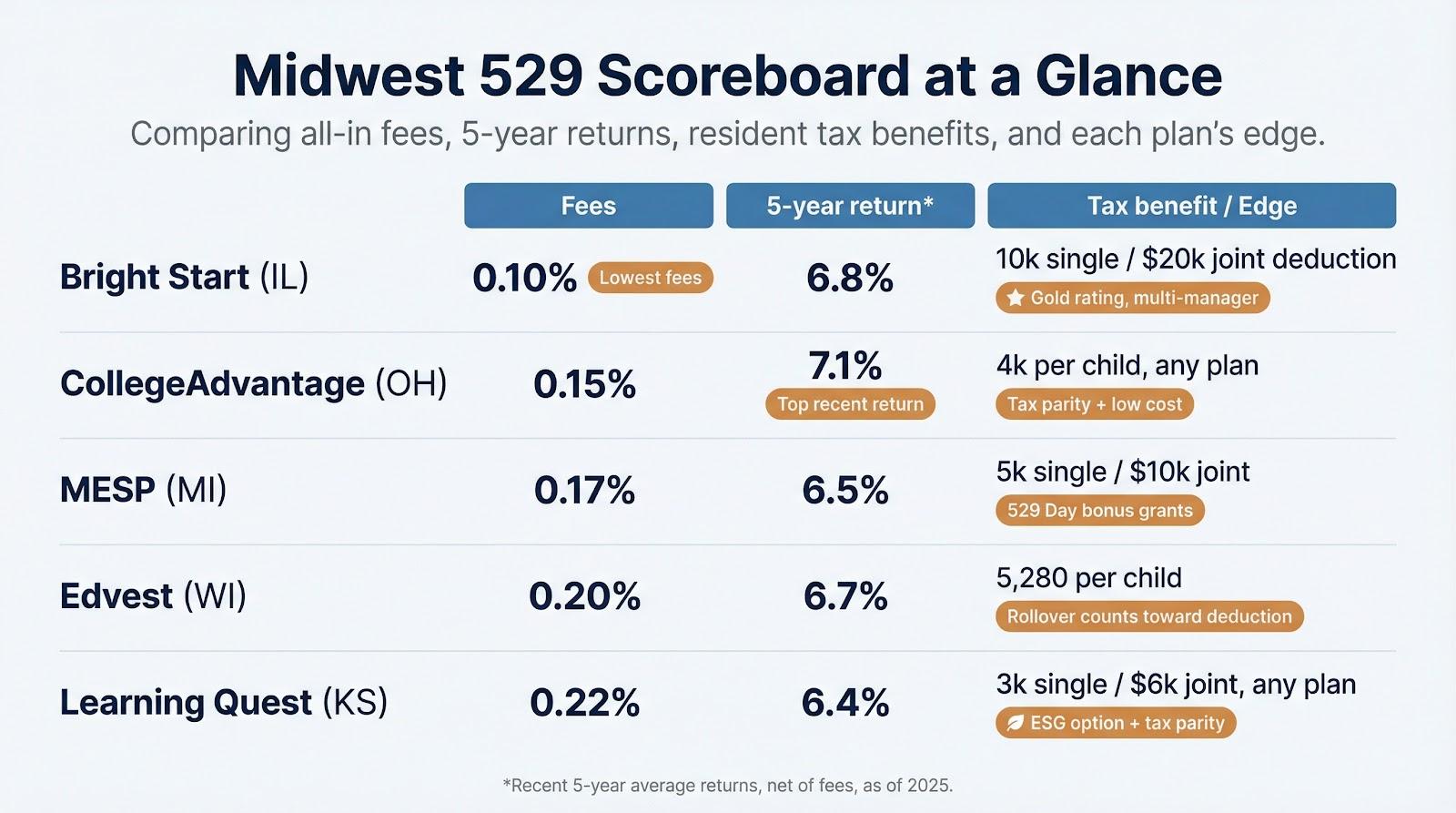
Midwest 529 Scoreboard at a Glance
Five plans, five solid choices, yet each leans on a different blend of cost, return, and tax relief. Scan the table, then match the numbers to your priorities. If you want the absolute floor on fees, Illinois leads. Need tax flexibility because you might relocate? Kansas or Ohio stand out. Looking for a newborn seed grant? Michigan checks that box.
Plan
All-in fees
Five-year return*
Resident tax benefit
Notable edge
Bright Start (IL)
zero point one zero percent
six point eight percent
deduct ten thousand dollars single or twenty thousand dollars joint
Morningstar Gold, multi-manager lineup
CollegeAdvantage (OH)
zero point one five percent
seven point one percent
deduct four thousand dollars per child, any plan
Tax parity and low cost
MESP (MI)
zero point one seven percent
six point five percent
deduct five thousand dollars single or ten thousand dollars joint
Periodic 529 Day bonus grants
Edvest (WI)
zero point two zero percent
six point seven percent
deduct five thousand two hundred eighty dollars per child
Rollover counts toward deduction
Learning Quest (KS)
zero point two two percent
six point four percent
deduct three thousand dollars single or six thousand dollars joint, any plan
ESG portfolio and tax parity
*Returns represent average annual performance of each plan’s principal age-based track, net of fees, from 2021 to 2025.
Only about one percentage point separates these plans on recent returns, and fee spreads are measured in basis points. That puts the spotlight on state perks and secondary features. A high deduction, such as Illinois’s, can outweigh fee gaps for large contributors, while Kansas’s parity rule lets mobile families shop around without penalty.
Conclusion
Choose the column that matters most to you, then continue. The next section answers real-world questions, such as whether to chase an out-of-state plan and how the new rollover rules affect overfunding decisions.
Your 529 Questions, Answered
1. Should I stick with my state’s plan or chase lower fees elsewhere?
Run the numbers first. An Illinois couple saving 10,000 dollars a year pockets a 500-dollar state-tax discount every December. Over fifteen years that benefit often outweighs the few basis points you would save by moving to Utah’s plan. The exception is the group of nine tax-parity states—Kansas, Ohio, Minnesota, and Missouri in our region—where you get the deduction no matter which plan you use. If you live in one of those, choose the plan with the lowest cost and best tools.
2. What if we overfund and Junior wins a full ride?
Congress created a clean exit. Under the 2022 SECURE 2.0 Act, you may roll up to 35,000 dollars from a 529 that has been open at least fifteen years into the beneficiary’s Roth IRA, free of tax and penalty, subject to annual Roth limits. Extra savings can become retirement seed money instead of a costly mistake.
3. Can 529 money pay for K–12 tuition?
Federally, yes—up to 20,000 dollars per child each year starting in 2026. States differ. Ohio, Wisconsin, and Kansas follow the federal rule with no clawback. Illinois and Michigan still treat K–12 withdrawals as non-qualified for state tax, so you would repay prior deductions on that slice. If private school is in the plan, open a secondary 529 in a parity state to keep flexibility without risking your home-state break.
4. Will a big 529 crush our financial-aid chances?
Hardly. Parent-owned 529s count as a parental asset on the FAFSA and are assessed at a maximum of five point six four percent. Put another way, every 10,000 dollars in a 529 reduces aid by at most 564 dollars. Student-owned assets are hit at 20 percent, so keeping the account in the parents’ name is already kinder. Beginning with the 2024–25 FAFSA, distributions from grandparent-owned 529s no longer appear as student income, closing the old “grandparent trap.”
5. When should we stop contributing?
Aim to have roughly 75 percent of your goal funded by junior year of high school. At that point market swings matter more than new deposits, and directing fresh savings to a Roth IRA or brokerage account restores flexibility. Still, if your state offers a generous credit—Indiana’s 20 percent credit is a prime example—keep contributing through senior year and withdraw the funds for freshman tuition. You harvest the tax perk with almost no market risk because the money is invested for only a few months.
Choosing the right towel supplier matters more than most business owners realize. Hotels, resorts, spas, car washes, salons, and healthcare facilities need suppliers who can deliver predictable quality at volume, maintain stock for reorders, and offer products built for their specific operational needs. The wrong supplier match costs you money and creates headaches with inconsistent quality, unpredictable availability, and products that wear out faster than expected.
This guide walks through five different supplier types worth considering for bulk towel orders. You’ll see an online distributor that prices by volume across three quality levels, a car wash and automotive towel specialist now sold through a national network, a luxury hotel linen maker serving properties worldwide since 1981, a 40+ year institutional distributor carrying well-known brands, and a sustainable private label manufacturer based in the US.
All five were verified as active and serving business buyers in March 2026.
How to Select the Best Towel Suppliers for Large-Scale Purchasing
We researched each supplier in March 2026 using their websites, product specs, certifications, industry focus, brand partnerships, and supply chain details.
Here’s what to check before you commit:
Industry Specialization: Suppliers focused on car washes, luxury hotels, or institutional healthcare match products to your needs better than generalists; confirm their industry focus matches yours before price shopping.
Supply Chain Model: Direct manufacturers and importers usually offer better pricing and quality control than resellers; knowing if they make, import, or resell tells you what to expect for cost and consistency.
Sustainability and Certifications: OEKO-TEX, BSCI, and SA-800 certifications confirm chemical safety and ethical manufacturing; ask for documents on the specific products you’re ordering, not just general brand claims.
Private Label Capability: Building branded linen programs across properties means you need custom branding, colors, and packaging; check if they handle private label in-house and what the minimums are.
Long-Term Supply Reliability: Years in business, industries served, and standing inventory tell you if they’ll be there when you need to reorder; this matters more than any other factor for your primary supplier.
List of Top Towel Suppliers for Large-Scale Purchasing
These five suppliers cover different needs across the bulk towel market:
1. Towel Super Center 2. Towels by Doctor Joe 3. Sobel Westex (Sobel at Home) 4. Towel Wholesaler (Cathgro) 5. Towel Manufacturer USA
Type: BBB-accredited online wholesaler shipping via UPS with orders in dozen multiples.
Materials: Ringspun cotton, cotton velour, and cotton blends in economy, premium, and premium-plus tiers.
Pricing: More units ordered means lower per-towel cost; compressed packing cuts shipping fees.
Products: Bath towels, hand towels, salon towels, gym towels, pool towels, golf towels, fingertip towels, washcloths, bath mats, bed sheets, bleach-resistant colored towels.
Industries: Hotels, spas, gyms, salons, nail salons, tanning salons, golf courses, car washes, restaurants, sports teams.
Company Overview: This BBB-accredited online wholesaler offers one of the widest internet selections of commercial towel types, sizes, and colors split across economy, premium, and premium-plus quality levels. Products use ringspun cotton, cotton velour, and cotton blends built to hold up through commercial laundering without losing absorbency or softness. Ordering more units drops the per-towel price, and compressed packaging keeps shipping costs down on UPS deliveries.
Best For: Hotels, salons, gyms, and businesses across multiple industries needing variety across three quality levels with clear volume pricing and quick domestic delivery.
Standout Feature: The widest internet catalog of wholesale towel types, sizes, and colors across economy, premium, and premium-plus tiers with transparent volume discounts.
2. Towels by Doctor Joe
Founded: Family business began in 1971 by Joe Gartland; relaunched in 1995 with offshore mills; Kleen-Rite Corp. acquired it in 2018; founder stayed on for product consulting.
Distribution: Sold only through Kleen-Rite Corp. in Columbia, PA; stocked at three US warehouses for fast nationwide delivery.
Specialty: Car wash, auto detailing, window washing, janitorial, salon, spa, and commercial towel applications; “Towel M.D.” approach matches reps with buyers to diagnose needs.
Products: Terry towels, surgical huck towels, microfiber waffle weave towels, super plush microfiber towels, courtesy towels, glass cleaning towels, car wash drying towels, safety products.
Founder expertise: Joe Gartland brings 30+ years in textiles; built the brand around matching towel construction to commercial uses.
Company Overview: The brand started in a family business in 1971 and relaunched independently in 1995 when founder Joe Gartland partnered with offshore mills to make commercial towels built for specific jobs. It grew into a recognized name before Kleen-Rite Corp. bought it in 2018. Now sold only through Kleen-Rite from three US warehouses, the brand stands out in car wash, auto detailing, and window washing with a “Towel M.D.” model where reps help match the right towel to each buyer’s application.
Best For: Car washes, auto detailers, window washers, and janitorial operations needing expert product matching from a brand built around high-volume commercial and specialty cleaning.
Standout Feature: The “Towel M.D.” approach where sales reps diagnose your specific towel problem and recommend the right product, backed by 30+ years of textile know-how in car wash, detailing, and cleaning markets.
3. Sobel Westex (Sobel at Home)
Founded: Started in 1981; based at 2670 Western Ave, Las Vegas, Nevada; makes luxury hotel linens for properties worldwide.
Certifications: BSCI Certified for ethical working conditions; SA-800 Certified for sustainable supply purchasing; OEKO-TEX Certified for harmful substance-free textiles.
Products: Luxury bath towels in 100% cotton and Turkish cotton, bath sheets, pool towels, bathrobes, bedding, pillows, table linens; six-piece Turkish Cotton Towel Set with T600 thread count.
Distribution: Global distribution centers for hospitality clients; partners with ODP Business Solutions; Sobel at Home store offers the same products as hotel clients.
Market: Supplies large luxury hotel chains globally and small hospitality businesses, B&Bs, vacation rentals, Airbnbs through Sobel at Home online.
Company Overview: This Las Vegas manufacturer has made luxury hotel linens since 1981, supplying bath towels, bedding, robes, pillows, and table linens to premium hotels worldwide through global distribution centers and a partnership with ODP Business Solutions. The company carries BSCI, SA-800, and OEKO-TEX certifications for ethical manufacturing, sustainable sourcing, and chemical safety. Small hospitality operators, B&Bs, vacation rentals, and Airbnb hosts can buy the same hotel-grade products through the Sobel at Home online store.
Best For: Luxury hotels, resorts, spas, B&Bs, vacation rentals, and Airbnb properties needing BSCI, SA-800, and OEKO-TEX certified luxury linens at the same quality supplied to premium hotel chains.
Standout Feature: Triple-certified luxury hotel linens with BSCI, SA-800, and OEKO-TEX credentials, manufactured since 1981 and distributed globally to luxury hotels, with identical products available to small operators.
4. Towel Wholesaler (Cathgro)
Founded: Cathgro Industries Inc. in business since 1977; located at 369 Fairview Ave, Westwood, New Jersey; 40+ years serving hospitality and healthcare.
Ordering: Handles any order size from single property to large institutional; free shipping to lower 48 states with code.
Catalog: Multi-brand inventory including Westpoint/Martex, 1888 Mills, Thomaston, 1Concier/Riegal, JS Fiber, Hotel Emporium, Berkshire across hundreds of SKUs.
Company Overview: Cathgro Industries Inc. has run Towel Wholesaler from Westwood, NJ since 1977, serving hotels, motels, B&Bs, resorts, and healthcare properties for over 40 years as a multi-brand institutional distributor. The catalog includes towels, sheets, bedspreads, comforters, pillows, and specialty items from well-known brands like Martex, Westpoint Home, 1888 Mills, Thomaston, Berkshire Hospitality, and Hotel Emporium. They handle any size order and offer free shipping to the lower 48 states.
Best For: Hotels, motels, resorts, and healthcare properties needing one distributor for multi-brand institutional linens across towels, bedding, pillows, and specialty products from a supplier with 40+ years in hospitality and healthcare.
Standout Feature: Over 40 years of institutional distribution since 1977, one of the longest operating wholesale linen suppliers in this guide, carrying recognized brands like Martex, Westpoint Home, 1888 Mills, and Berkshire Hospitality.
5. Towel Manufacturer USA
Location: Los Angeles, California; production facilities across the country; serves US and international bulk buyers.
Sustainability: Makes private label towels from natural and recycled fabrics; uses low-impact dyes and reduced water; avoids harsh chemicals; pays fair wages with safe working conditions.
Private Label: Complete private label manufacturing including logo, branding, custom colors, custom patterns, design specs; distributor partnership program for resellers.
Products: Bath towels, beach towels, hotel towels, hand towels, face towels, kids towels, linen towels, bathrobes, microfiber options in organic cotton, hemp, recycled polyester, natural fabric blends.
MOQ: Low minimums for emerging brands testing collections and established bulk buyers; downloadable product catalog.
Company Overview: Based in Los Angeles with production spread across the country, this sustainable private label manufacturer serves retail brands, boutique buyers, and bulk purchasers needing eco-friendly towels made from natural and recycled fabrics with low-impact dyes and reduced water use. Full private label services cover logo, branding, custom colors, and design specs across bath, beach, hotel, hand, face, kids, linen, and microfiber categories. Low minimum orders work for new brands and bulk buyers, with a distributor partnership program for resellers.
Best For: Retail brands, eco-conscious boutique buyers, and bulk purchasers needing a sustainable private label manufacturer with full customization across natural, recycled, and organic fabric products.
Standout Feature: Sustainability-focused private label production using natural and recycled fabrics, low-impact dyes, and reduced water, the only supplier here built explicitly around eco-friendly bulk manufacturing with full brand customization from Los Angeles.
Factors to Consider When Choosing Towel Suppliers for Large-Scale Purchasing
Supplier Longevity and Track Record
A supplier that’s been serving your industry for decades has proven they can deliver consistent quality and reliable reorders. Forty years in institutional hospitality, 30 years in commercial towels, or operating since 1981 in luxury hotel linen shows stability that new distributors can’t match yet. When you’re choosing a primary supplier, years of continuous operation in your specific industry tells you more than pricing alone.
Certifications Matched to Your Environment
Different industries need different certifications. OEKO-TEX confirms no harmful substances for guest and patient skin contact. BSCI verifies ethical manufacturing for brands tracking supply chain practices. SA-800 covers sustainable purchasing. Figure out which certifications your industry compliance requires, then ask for documentation on the specific product lines you plan to order instead of accepting general brand claims.
Industry Specialization vs. General Distribution
A supplier built around your industry delivers better product matching. Car wash towel specialists, luxury hospitality manufacturers, and healthcare linen suppliers understand your operational needs better than general distributors. Before you start comparing prices, confirm the products were designed for your use case rather than adapted from a general catalog.
Private Label and Branding Requirements
Building uniform linen programs across multiple properties often means you need branded towels with matching colors, logo embroidery, or custom packaging. Ask early if your shortlisted supplier handles private label in-house, what the minimum order quantities are for custom work, and whether pre-production samples come included in the quoted price.
Sustainability Requirements
More hospitality brands, healthcare facilities, and retail chains now source from suppliers using low-impact dyes, recycled or organic fabrics, and ethical manufacturing. If your organization has sustainability goals or customer-facing environmental commitments, verify that your towel supplier’s sustainability credentials come from third-party certification rather than self-reported claims.
Final Thoughts
Order physical samples of the exact product lines you plan to purchase regularly before locking into a supplier relationship. Towel weight, pile density, absorbency, and construction quality are hard to judge from specs alone. A side-by-side sample comparison quickly shows if a supplier’s product fits your operational needs.
If you have sustainability, ethical sourcing, or supply chain transparency requirements, verify certifications at the product level by requesting actual certification documents for the specific SKUs in your planned order, not just brand-level statements.
The right large-scale towel supplier for your business matches your industry focus, supply chain needs, and product requirements, not just the lowest per-unit price. Taking time to match these factors upfront saves you money and headaches over the long run.
https://www.strategydriven.com/wp-content/uploads/IMG_1625.jpeg7611500StrategyDriven - Sponsored Contenthttps://www.strategydriven.com/wp-content/uploads/SDELogo5-300x70-300x70.pngStrategyDriven - Sponsored Content2026-04-13 22:19:112026-04-13 22:19:115 Top Towel Suppliers for Large-Scale Purchasing
Building a commercial pool can be thrilling. A sparkling pool can transform a hotel, office, or apartment complex into a place where people want to spend time, relax, and enjoy themselves. But behind the inviting water and clean deck lies a complex project full of potential pitfalls.
Many businesses dive in without realizing how easy it is to make costly mistakes—mistakes that can delay construction, blow the budget, or create headaches down the line. From overlooked regulations to poor planning, the issues aren’t always obvious until it’s too late.
Knowing what to watch out for can make all the difference. The following six common mistakes show where businesses often go wrong—and how to avoid them—so your commercial pool project goes smoothly from start to finish.
1. Not Planning Early Enough
Many businesses rush into building a pool without thinking it through. They assume it’s just digging a hole and filling it with water. But a commercial pool involves much more than construction—it’s a mix of design, safety, logistics, and operations.
Early planning should cover questions like: Who will use the pool? How many people should it accommodate? What activities should it support—lap swimming, recreation, or lounging? Are there local regulations or zoning rules?
For example, a hotel might realize mid-project that their pool isn’t large enough to handle peak season crowds. Or an apartment complex may find out that the pool area doesn’t meet accessibility requirements. Planning ahead helps prevent these issues. Taking the time to think about long-term use, layout, and safety will save headaches later.
2. Underestimating the Cost
Pools are expensive, and the price goes beyond construction. One of the biggest mistakes businesses make is setting a budget based only on building costs. They often forget ongoing expenses like cleaning, maintenance, chemicals, repairs, staff, and insurance.
Even seasonal maintenance adds up. Failing to consider these costs can turn a seemingly affordable project into a financial burden. Working with experienced commercial pool builders can help businesses get a realistic view of costs.
For example, businesses often find that consulting with experienced professionals like Champion Pools & Spas, Inc. early can provide a clearer picture of both construction and long-term costs. Questions about filtration systems, heating options, and staffing requirements are common, and addressing them before construction begins can prevent unexpected challenges down the line.
3. Forgetting Rules and Permits
Pools aren’t just fun—they’re heavily regulated. Local safety codes, permits, and accessibility rules matter a lot. Ignoring them can stop your project, delay opening, or lead to fines.
Small details can cause major problems if overlooked. For example, missing proper fencing, incorrect signage, or not including lifeguard stations can prevent a pool from opening on schedule. Some businesses assume permitting will be a quick formality, but it often requires detailed inspections and approvals.
Even a beautifully designed pool can fail if it’s in the wrong location. Shade patterns, soil quality, drainage, wind, and nearby structures all influence usability and long-term upkeep.
A poorly placed pool might face excessive debris from surrounding trees, uneven heating due to wind exposure, or water drainage problems. Imagine a pool where leaves constantly blow in, or where water collects in unwanted spots—these small issues quickly become big frustrations.
Before committing to a location, businesses should do a site survey, including soil tests and sunlight analysis. It may feel tedious, but choosing the right spot makes a big difference in comfort, safety, and maintenance ease.
5. Forgetting About Maintenance
Many businesses focus solely on construction and forget about taking care of the pool afterward. Pool maintenance is ongoing. It involves more than cleaning. Proper chemical balance, equipment checks, and seasonal inspections are essential.
Neglecting maintenance can lead to safety hazards, higher repair costs, and unhappy users. Planning for maintenance early is smart. This includes choosing durable materials, installing easy-to-maintain filtration systems, and setting up a cleaning schedule. Some businesses hire professional pool service companies to manage these tasks, ensuring the pool stays in top condition without constant supervision.
A well-maintained pool not only lasts longer but also protects your investment and keeps guests or tenants happy.
6. Overlooking the User Experience
At the end of the day, the pool exists for people. No matter how impressive it looks, a pool that’s hard to access, uncomfortable, or unsafe will fail.
Small touches can make a big difference: shaded seating areas, non-slip surfaces, proper lighting, and good circulation for swimmers. For hotels or residential complexes, amenities like lounge chairs, umbrellas, and child-friendly areas matter. Observing other commercial pools can reveal what users value most.
Even layout details, like how far seating is from the water or how easy it is to enter and exit, affect satisfaction. A pool that’s fun, comfortable, and safe will see more frequent use and better reviews.
Final Thoughts
Commercial pool projects can be rewarding if done right. Avoiding these six mistakes—rushing planning, underestimating costs, ignoring regulations, picking a poor location, neglecting maintenance, and overlooking user needs—makes the process much smoother.
Taking time to plan, budgeting realistically, and consulting experienced professionals creates a pool that’s safe, enjoyable, and long-lasting. A thoughtfully designed and maintained commercial pool can enhance your property, improve user satisfaction, and become a highlight of your business.
With careful preparation and guidance, your pool won’t just be a project—it will be a space people love to use, season after season.
https://www.strategydriven.com/wp-content/uploads/IMG_1622.jpeg10011500StrategyDriven - Sponsored Contenthttps://www.strategydriven.com/wp-content/uploads/SDELogo5-300x70-300x70.pngStrategyDriven - Sponsored Content2026-04-13 15:19:112026-04-13 15:19:116 Common Mistakes Businesses Make When Planning a Commercial Pool Project
Maintaining a healthy, beautiful smile is an important part of total wellness for individuals of all ages. Preventive dental care is the cornerstone of avoiding oral health problems before they start and enjoying confident, lifelong smiles. Staying proactive with your oral hygiene results in fewer dental issues, better breath, and better general health. For those seeking thorough protection or restoration, options like dental implants may play a significant role in a complete and confident smile.
Taking control of your oral health by building positive routines and staying informed about advances in dental science can set you up for success well into the future. Preventive care not only supports the look of your teeth but also preserves gum health and reduces risks for serious medical conditions. Read on to discover proven strategies to keep your teeth and gums in optimal condition for years to come.
Daily Oral Hygiene
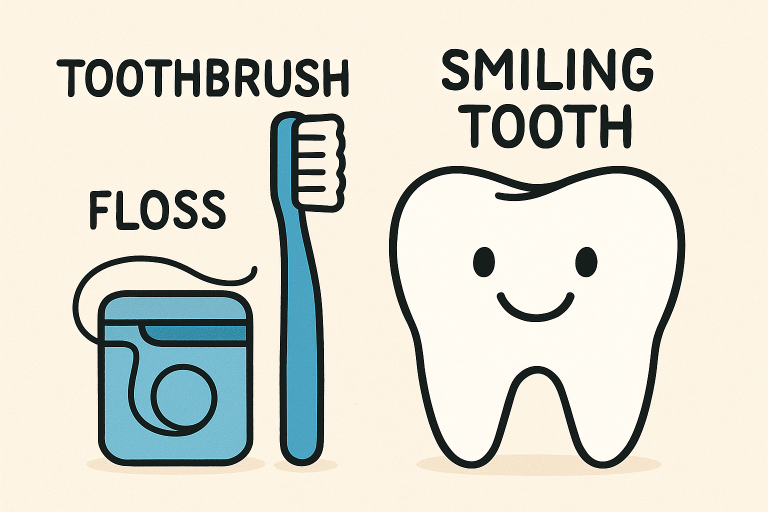
Establishing consistent daily oral hygiene habits is the most important factor in preventive dental care. Brushing twice a day with fluoride toothpaste using a soft-bristle toothbrush effectively removes plaque, helps prevent tooth decay, and keeps your gums healthy. Make sure to brush the outer, inner, and chewing surfaces of your teeth, and do not overlook brushing your tongue to reduce bacteria and maintain fresh breath. Flossing once daily is also essential, as it removes plaque and food particles from spots a toothbrush cannot reach, keeping gums healthy and reducing the risk of cavities and gum disease.
Balanced Diet and Nutrition
The foods you choose have a lasting impact on your oral health. Consuming a diet rich in fruits, vegetables, whole grains, and lean protein supports both strong teeth and resilient gums by providing essential vitamins and minerals. Limiting foods and drinks that are high in sugar or acid helps prevent enamel erosion and tooth decay. Drinking plenty of water, particularly fluoridated water, helps rinse away particles and bacteria and supports overall oral health. According to the Mayo Clinic, proper nutrition and limiting soda or sticky snacks play a central role in preventing cavities and gum disease.
Regular Dental Visits
Routine dental check-ups every six months are essential for catching potential issues early, before they become serious. Professional cleanings remove tartar (hardened plaque) that cannot be eliminated through brushing or flossing alone. These appointments also provide an opportunity for your dentist to screen for oral cancer and other diseases that may go undetected at home. Regular examinations reinforce good habits and can save you time, discomfort, and money in the long run.
Fluoride Treatments and Dental Sealants
Fluoride treatments and dental sealants offer added layers of protection for teeth. Fluoride helps strengthen enamel and enhance resistance to decay. Even communities with fluoridated tap water may benefit from extra fluoride through treatments at the dentist. Dental sealants provide a physical barrier on the chewing surfaces of back teeth, blocking out bacteria and leftover food particles. This is especially important for children and adolescents, whose developing teeth are more prone to decay. The Centers for Disease Control and Prevention reports that dental sealants can prevent 80 percent of cavities in the back teeth.
Impact of Lifestyle Choices
Your daily habits significantly influence your oral health. Smoking and the use of other tobacco products increase the risk of gum disease, tooth loss, and some forms of oral cancer. Excessive alcohol use can also harm gum tissue and raise cavity risks. Making positive changes such as quitting tobacco and moderating alcohol intake can result in marked improvements. Additionally, high stress levels can lead to habits like teeth grinding, which damages teeth and jaw joints. Practicing stress management techniques can protect your mouth as well as your overall well-being.
Connection Between Oral Health and Overall Health
Scientific research highlights the close link between oral health and systemic health. Poor oral hygiene is linked with an increased risk for serious conditions such as heart disease, diabetes, and stroke. Inflammation from gum disease may contribute to inflammation elsewhere in the body, affecting total health outcomes. Likewise, people with diabetes are more likely to develop gum disease and mouth infections. Taking preventive steps for your mouth can directly support the rest of your body and reduce your likelihood of developing additional health problems.
Emerging Technologies in Preventive Dentistry
New technologies continue to transform the field of preventive dentistry. Digital X-rays and advanced imaging systems let dentists spot issues sooner and with less discomfort than ever before. Artificial intelligence now supports more personalized care plans and boosts diagnostic accuracy. Innovations such as laser periodontal therapy and 3D-printed dental devices make in-office treatments more comfortable and efficient, while at-home advancements like smart toothbrushes help patients maintain proper technique between appointments.
Conclusion
Adopting preventive dental care practices is one of the best investments you can make in your lifelong health. By practicing diligent daily hygiene, making informed dietary choices, keeping up with regular dental appointments, and staying up to date with new technologies in oral care, you can enjoy a vibrant smile and safeguard your long-term well-being. Empower yourself and your family with these healthy habits, and celebrate the benefits of a beautiful smile for life.
https://www.strategydriven.com/wp-content/uploads/IMG_1624.jpeg9031360StrategyDriven - Sponsored Contenthttps://www.strategydriven.com/wp-content/uploads/SDELogo5-300x70-300x70.pngStrategyDriven - Sponsored Content2026-04-13 15:12:422026-04-13 15:12:42Healthy Smiles for Life: Best Practices in Preventive Dental Care
 A VETERAN OWNED SMALL BUSINESS |



 Business Programs