Posts

How Digital Marketing Shapes Modern Business

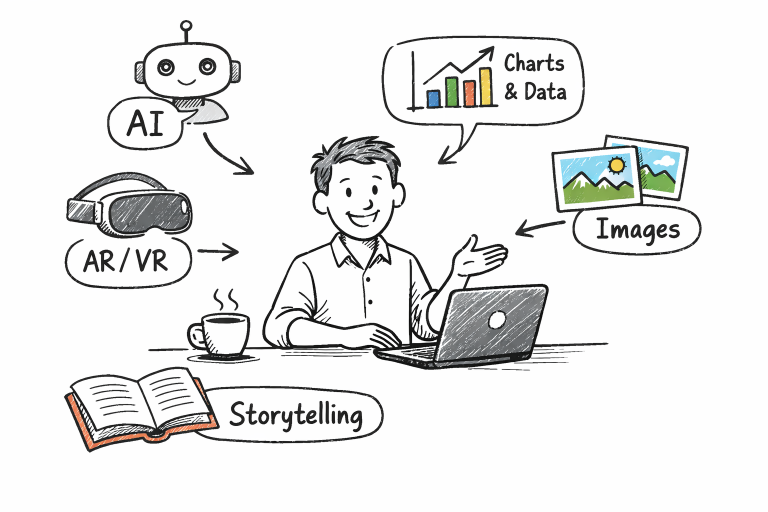
In today’s fast-paced business landscape, digital marketing stands at the forefront of organizational success and growth. The relentless evolution of technology, combined with widespread internet access, has fundamentally shifted how businesses engage with consumers. By tapping into various digital platforms ranging from search engines and social media to email and digital advertising, companies now have the means to reach broader audiences across geographic boundaries with an accuracy unimaginable in the age of traditional advertising. What’s more, digital marketing empowers brands to craft deeply personalized messages tailored to individual preferences, behaviors, and purchasing journeys. This personalization strengthens customer relationships and fosters a sense of connection and loyalty, both of which are crucial in highly competitive markets. Especially for businesses seeking to amplify their local presence, leveraging expert partners like MDM Marketing local SEO services ensures their marketing message doesn’t just reach more people, it reaches the right ones, exactly where it matters most.

The transformation ushered in by digital marketing extends well beyond simply posting ads online or maintaining a social media presence. Today, businesses can adapt marketing campaigns in real time, enabling swift pivots in messaging or targeting based on data and immediate feedback from ongoing campaigns. This ability to adjust strategy on the fly greatly reduces wasted advertising spend and amplifies the impact of every marketing dollar. Advanced data analytics empower marketers to scrutinize consumer behavior in fine detail, providing valuable insights into what works and why. By leveraging modern communication channels such as chatbots, instant messaging, and interactive content, companies can engage customers in conversations, proactively respond to questions, and resolve issues with unprecedented efficiency. Ultimately, these digital tools and strategies provide businesses with an edge, driving sustained engagement, adaptability, and success in fast-changing markets.

Enhanced Targeting and Personalization

One of the most compelling advantages of digital marketing is its ability to reach the right audience with extraordinary precision. By harnessing sophisticated tools such as Google Analytics, Facebook Pixel, and customer data platforms, organizations can collect a treasure trove of information from demographics and browsing habits to purchasing patterns and life-stage events. This data is then used to segment audiences into increasingly niche groups, allowing for the delivery of tailored marketing messages that resonate with specific interests, needs, and challenges. For example, a local bakery can promote seasonal specialties to nearby residents who have previously searched for baked goods, while a global e-commerce powerhouse can suggest products based on an individual’s unique browsing history. This level of targeting not only enhances engagement but also drives significantly higher conversion rates. By focusing their resources where they’re most likely to yield results, businesses can make every advertising dollar go further and minimize the risk of irrelevant messaging that can alienate potential customers.

Real-Time Performance Measurement

Traditional advertising channels often left marketers guessing about campaign effectiveness, with results trickling in slowly, sometimes weeks or even months later. Digital marketing, by contrast, delivers a wealth of real-time metrics that provide instant visibility into the performance of campaigns, ads, and content. Marketers can observe how many users have viewed a web page, clicked an ad, subscribed to a newsletter, or completed a purchase, all in real time. Essential metrics such as impressions, click-through rates, cost per acquisition, and return on investment are easily accessible, enabling nimble, informed decision-making. This capability is a game-changer: campaigns that are underperforming can be paused, adjusted, or reallocated in minutes, limiting financial waste and maximizing effectiveness. As highlighted by Forbes, real-time analytics not only optimizes active campaigns but also provides valuable insights for future strategies, helping businesses replicate success and avoid past mistakes.

Greater Customer Engagement

Modern digital platforms have redefined the relationship between brands and their audiences, fundamentally transforming engagement from a one-sided broadcast to an interactive, two-way experience. With tools ranging from social media comment sections and interactive polls to live chat support and AI-powered response bots, companies can listen to customers, respond promptly, and facilitate ongoing conversations. This direct communication demonstrates that a brand values its customers’ opinions and feedback, which is instrumental in building trust. When users see their concerns addressed or their suggestions implemented, they’re more inclined to develop an emotional connection to the brand. Moreover, these dynamic interactions not only deepen customer loyalty but also provide rich insights into shifting consumer preferences, allowing businesses to stay ahead of trends and continuously refine their offerings.

Cost-Effectiveness

Unlike traditional marketing, which often comes with high upfront costs for print materials, TV spots, or billboards, digital marketing offers businesses scalable options that can be tailored to virtually any budget. Smaller companies can experiment with low-cost channels such as social media ads, pay-per-click campaigns, or email marketing, making testing and learning both affordable and accessible. Larger organizations benefit from the ability to precisely allocate and track large budgets, shifting investments away from ineffective campaigns and toward those that produce strong results. This flexibility not only enhances return on investment but also allows businesses to pivot quickly as market conditions or priorities change. The digital approach also makes it easier to run A/B tests, test new creative assets, and understand customer preferences without incurring excessive risk. The efficiency and precision of digital marketing spend are among the primary reasons modern businesses continue to shift resources away from traditional channels toward digital solutions.

Integration of Artificial Intelligence

Artificial intelligence is rapidly evolving into a cornerstone of digital marketing strategy, revolutionizing everything from customer segmentation to campaign optimization. AI algorithms can process vast amounts of data at speeds and depths that humans simply cannot match, uncovering patterns and insights that would otherwise remain hidden. This enhanced understanding enables marketers to deliver content such as personalized product recommendations or targeted offers at precisely the right moment in the customer journey, dramatically increasing the odds of engagement and purchase. For example, AI-powered chatbots provide instant, relevant assistance to online shoppers, resolving common questions and reducing friction in the purchasing process. On the advertising front, AI automates media buying and optimizes ad delivery, ensuring that messages reach the right users at the lowest possible cost. With predictive analytics, businesses can forecast trends, anticipate shifts in demand, and proactively adjust their strategy well before competitors.

Adoption of Augmented Reality

Augmented reality (AR) is quickly gaining traction in the digital marketing ecosystem due to its unique ability to bridge the gap between physical and digital experiences. By overlaying digital information onto the real world, AR enables brands to offer immersive, interactive experiences that engage consumers on a whole new level. Retailers are deploying augmented reality apps that let customers virtually “try on” clothing, accessories, and even makeup, boosting customer confidence in their purchase decisions and reducing returns. Home improvement and furniture companies utilize AR to help clients “see” how new décor or appliances will fit into their living spaces before purchasing. These innovations not only enhance brand engagement but also position businesses as leaders in technological adoption. Customers, in turn, gain the ability to make better-informed, more satisfying purchases thanks to interactive elements embedded in their shopping journeys.

Embracing Ethical Marketing

The rise of conscious consumerism has made ethical marketing a non-negotiable principle for many brands in the digital age. Today’s audiences are far more aware of issues such as environmental sustainability, supply chain transparency, diversity, and personal data protection. In response, forward-thinking companies strive to adopt honest communication, safeguard customer data, and integrate sustainability into their brand story. Marketing efforts no longer simply tout product features but also spotlight a brand’s values, mission, and community impact. This emphasis on authenticity and ethics increases trust and fosters deeper, longer-lasting relationships. Furthermore, brands that are perceived as responsible corporate citizens stand out in cluttered markets and are better positioned to weather reputational challenges. Digital channels, with their speed and reach, make it easier for companies to communicate their ethical commitments and demonstrate integrity through actions as well as words.

Conclusion

In summary, digital marketing has irreversibly changed the way businesses attract customers, build loyalty, and compete on the global stage. With advantages ranging from enhanced targeting and real-time analytics to AI-driven optimization and immersive technologies, the potential for impact is greater than ever. Companies that invest in digital innovation while upholding high ethical standards set themselves up not only to survive but to thrive in an ever-evolving marketplace. Adaptability, data-driven decision-making, and a genuine commitment to customer needs will remain at the heart of sustained business success as the world continues to embrace digital transformation.

Top Video Marketing Software for Small Businesses in 2026: 7 Platforms Reviewed

Video now tops content ROI charts—93 percent of marketers report a positive return. Yet shooting, editing, hosting, and tracking clips still strain small businesses with limited time and budget. Purpose-built platforms such as Spotlightr embed lead-capture forms, while others focus on creation, hosting, or live streaming. This guide tests seven standout tools updated through 2025, comparing features, pricing, and real-world fit so you can pick the right mix.

At-a-Glance Comparison

Use this grid to compare starting price, free access, signature strengths, and recent user ratings.

Platform Free tier Starting price* Stand-out strength User rating
Spotlightr 14-day trial $13 / mo Interactive lead capture, encryption 4.8★ (Capterra)
Wistia 10 videos $99 / mo Brandable player, heat-map analytics 4.6★ (G2)
Vidyard Unlimited videos<br>(30-min max) $59 / mo per user Personalized sales videos, CRM sync 4.5★ (G2)
Vimeo 500 MB / week $12 / mo Ad-free HD hosting, privacy locks 4.3★ (G2)
Canva Forever free $13 / mo Drag-and-drop video templates 4.7★ (G2)
Wave.video Limited $24 / mo Live, edit, host in one dashboard 4.6★ (G2)
Lumen5 720p with watermark $19 / mo AI text-to-video automation 4.5★ (G2)

*Annual billing where available.

Two clear patterns emerge.

First, every vendor provides either a free tier or a no-credit-card trial, letting you test without risk.

Second, pricing rises with marketing depth. Hosts that embed forms, sync to CRMs, or lock content sit in the mid- to upper brackets, while creation-only apps stay lower because they leave hosting to you.

Keep these tiers in mind as you move into the individual reviews.

1. Spotlightr – Best for Marketing Features on a Budget

Spotlightr’s toolbox feels purpose-built for scrappy marketers, and its Spotlightr for marketers resource hub details how in-player CTAs and on-finish triggers can capture leads the moment interest peaks.

Overview

Spotlightr turns every video into a mini landing page.

Upload a clip, add a timed button or email gate, and the player starts capturing leads without extra code or plugins. That conversion boost arrives in just a few clicks.

The platform also guards assets. Built-in encryption and domain restrictions keep paid courses or private demos from appearing on pirate sites, so you decide who watches, where, and what happens next.

Because it combines marketing muscle with security at a low price, small teams keep ranking Spotlightr as the best-value host for 2026.

(Key features, pricing, and real-world fit follow next.)

Key features

Spotlightr’s toolbox feels purpose-built for scrappy marketers.

Interactive elements come first. Timed buttons, opt-in gates, and overlay banners sit inside the player and steer viewers to a signup form or checkout page without leaving the video. That single tweak often lifts conversion rates more than a redesigned landing page.

Next is security. The platform combats “right-click download” culture with encryption and tight domain control, so rivals cannot copy your paid course or demo. Viewers see content only where you decide, under the branding you set. A TopBusinessSoftware comparison backs up those claims.

Finally, analytics. Heat maps show every rewind and drop-off moment. Pair that with A/B tests on thumbnails or calls to action, and you know which creative drives revenue, not just views.

All of this runs on Spotlightr’s cloud or, if you prefer, on top of a YouTube or AWS link you already own. You get the polish of a premium player without re-uploading existing libraries.

Pricing and Real-World Value

Spotlightr keeps its entry point low on purpose.

The Light plan costs $13 per month and covers 25 videos with 50 GB of storage—plenty for a growing library of explainers, testimonials, or course modules. Step up to Plus at $21 and the video cap disappears, giving unlimited uploads and a 200 GB pool for bandwidth spikes.

Every paid tier includes the same conversion tools and security settings. You do not pay extra to remove watermarks or to add an opt-in form. That flat approach feels refreshing when rivals hide core features behind higher pricing walls.

Run the math and Spotlightr often lands at one-fifth the cost of Wistia once you host more than a handful of videos. For a bootstrapped shop, that savings can fund extra ad spend or a freelance editor.

Bottom line? If you need premium marketing features without a premium invoice, Spotlightr is a smart pick.

2. Wistia – Best for Brand-Focused Hosting

Wistia brandable video player and analytics screenshot

Overview

Wistia behaves like a tailored suit for video hosting. Everything about the player—color, controls, and thumbnail—matches your brand, so viewers feel as though they never left your site.

Polish is not the only draw. Wistia moved the industry from “just views” to actionable analytics years ago. Heat maps show where prospects pause, rewind, or exit, letting you trim weak moments and double down on hooks that keep attention.

According to MarTechCube, a 2025 update adds AI translation and voice-dubbing with lip sync, giving small teams a direct path to multilingual content without hiring voice actors. It is the first mainstream host to include this workflow end to end.

Pair those features with native integrations for HubSpot, Salesforce, and Marketo, and you have a hosting hub that looks sharp and feeds rich engagement data straight into your CRM.

If brand consistency is crucial, Wistia deserves a close look.

Key Features

Wistia’s player blends into your site instead of feeling like an embed.

You can set colors, remove Wistia’s logo, and even switch control icons to match your palette. That keeps visual focus on your story, not the software.

Engagement layers help convert visitors. Add an email gate before or after playback, place a clickable annotation that jumps to a demo page, or add chapters so viewers can skip to the segment they need.

Analytics reach the individual level. Each viewer gets a heat map—a goldmine when you want to flag leads who replay pricing slides or exit at minute three. Those events sync to HubSpot or Salesforce in real time.

The new AI dubbing tool is more than a novelty. One click creates a Spanish, French, or German voice track that aligns with your speaker’s lips, opening doors to new markets without a reshoot.

Pricing and Real-World Fit

Wistia’s free tier hosts ten videos with a visible logo—good for testing but not production.

The Pro plan is $99 per month. It removes Wistia branding, opens email gates and CTAs, and includes the first ten videos. Additional uploads cost twenty-five cents each month.

A library of 60 evergreen demos, for example, lands near $114 per month. While higher than Vimeo or Spotlightr at scale, Pro offers unlimited bandwidth and avoids per-user fees, so marketing and sales can share one account without multiplying the bill.

Bottom line: choose Wistia when pixel-perfect branding, heat-map analytics, and fast multilingual delivery outweigh budget constraints.

3. Vidyard – Best for Personalized Sales Outreach

Vidyard personalized sales video email and landing page screenshot

Overview

Vidyard treats every sales email like a short TV spot.

Open your browser, press record, and seconds later a face-to-face message lands in a prospect’s inbox with an animated GIF thumbnail that invites a click. No studio or editing suite required—just human connection at scale.

The insight arrives after send. Vidyard tracks who watches, how long, and which moments prompt a replay. Those signals flow straight into HubSpot, Salesforce, or your inbox, so you know exactly when interest rises and follow-up should fire.

Unlimited free recordings make Vidyard the camera of choice for SDRs, founders, and account managers who want to rise above wall-of-text outreach.

Key Features

Vidyard’s Chrome extension is simple. Click, count three, and you are recording a selfie bubble over your screen. That picture-in-picture style turns a proposal, demo, or quick thank-you into a personal message that takes less effort than writing a long email.

After upload, the platform creates an animated preview GIF and landing page. Both use your brand colors and logo, so the message looks polished. You can set the call to action under the player—book a meeting, download a case study, or start live chat—without code.

Analytics run at the viewer level. You see who opened, how long they watched, and whether they re-watched the pricing slide. Those data points sync to your CRM in real time, lighting up a lead score or triggering automated follow-up.

Vidyard keeps pace with AI. A script generator drafts talking points from a URL or bullet list, while the avatar feature lets camera-shy reps send a virtual spokesperson.

Integrations are deep and native: Outlook, Gmail, LinkedIn, HubSpot, Salesforce. Vidyard fits the tools sales teams already use, so adoption sticks and metrics flow without copy-paste work.

Pricing and Real-World Fit

Vidyard’s free tier offers unlimited videos up to thirty minutes, basic analytics, and branded landing pages. Solopreneurs sending a few intros each week may need nothing more.

Growth comes with the Teams plan at $59 per user per month. The upgrade removes Vidyard branding, opens CRM integrations, and adds actionable CTAs under every clip. If one rep books even a single extra call a month, the subscription pays for itself.

Larger crews can negotiate volume discounts or choose Enterprise for advanced security and multi-team permissions, but most small businesses land comfortably on Teams.

Compare that spend to a LinkedIn InMail blast or a paid webinar slot, and Vidyard’s personal touch often wins on both response rate and budget.

4. Vimeo – Best for Affordable Ad-Free Hosting

Overview

Vimeo is the quiet professional in a noisy YouTube world. Its player streams crisp 4K without ads, suggested clips, or algorithmic side trips. Viewers stay focused on your message and remain on your page.

The service earned trust with filmmakers, then added business features: password protection, domain-level embeds, and end screens that guide viewers to a next step. Nothing flashy, yet everything needed for a clean, credible viewing experience.

That polish arrives at a price most owners can expense without hesitation. For about twelve dollars a month you get an unbranded player, generous storage, and bandwidth that never meters out.

If you value reliable, classy delivery over advanced marketing add-ons, Vimeo hits the sweet spot.

Key Features

High-definition playback leads the list. The player adjusts bitrate on the fly, so 4K looks sharp on fiber and still loads smoothly on slower café Wi-Fi.

Privacy controls rank a close second. Lock a video to specific domains, add a password, or share it privately with a secret link—ideal for client approvals or paid course modules.

Basic marketing tools live under the hood. Add a custom end screen with buttons, capture emails before play on the Business tier, and drop chapter markers for long content. The analytics dashboard covers views, engagement graphs, and geography, enough for trend spotting if not individual lead scoring.

For live events, the Advanced plan turns Vimeo into a streaming stage. Broadcast a launch, record the session automatically, and publish the replay without exporting files or juggling platforms.

Integrations work smoothly with Wix, Squarespace, and most LMS or CMS systems via simple embed code. Creative pros have trusted Vimeo for years to make portfolios look gallery-ready; small businesses now inherit that same polish without hiring a developer.

Pricing and Real-World Fit

The Starter plan costs $12 per month and removes ads while granting 5 GB of weekly uploads—enough for dozens of short promos or several longer tutorials each month.

Need more capacity or lead-capture forms? Standard is about $20, adds 20 GB per week, full player customization, and basic email gates. Step up to Advanced at roughly $50 for live streaming, team collaboration, and interactive end screens.

Caps reset weekly, so most small brands never hit a ceiling. Even if you publish a new 1-GB video every business day, Starter glides along without overage fees.

Compare that spend to a single boosted Instagram reel or an hour of freelance editing, and Vimeo repays in peace of mind alone. You get dependable, ad-free playback that never shows a competitor’s clip in the sidebar—an instant credibility lift for the price of the office coffee budget.

5. Canva – Best DIY Video Creator With Templates

Canva video editor with templates and drag-and-drop timeline screenshot

Overview

Canva turned graphic design into a quick task; now it does the same for video.

Open a template, drop in your logo, tweak the text, and you have a finished promo in minutes. No complex timelines or export settings—just a storyboard view that feels like PowerPoint on caffeine.

Because Canva lives in the browser, you can switch between laptop and phone without breaking flow. Need to adjust a clip while waiting for a meeting? Two taps in the mobile app and the change is live.

The real draw is scale. Thousands of video layouts sized for Instagram Reels, LinkedIn feeds, and YouTube intros help you publish platform-ready assets fast. Consistent visuals turn scattered posts into a recognizable series.

If a blank screen in a pro editor feels intimidating, Canva provides a turnkey workspace—templates, stock footage, music, and animation tools—all inside an interface you already know from making social graphics.

Key Features

Templates lead the experience. Choose “Product promo,” “How-to reel,” or “Event teaser,” and Canva pre-loads scene pacing, text animations, and royalty-free background tracks. Swap colors to your brand palette in one click with the Brand Kit, and every scene updates instantly.

The drag-and-drop timeline keeps edits simple. Need a voiceover? Record directly in Canva. Want captions? Auto-generate them and style the font like regular text. Magic Resize then outputs square, vertical, and widescreen versions—critical when one clip must appear on Instagram Stories, LinkedIn, and your landing page.

Stock assets run deep: millions of HD video clips, images, icons, and music beds come with Pro. You rarely leave the editor to hunt for B-roll or backing tracks.

Canva now records screen and webcam. Hit “Record” to capture a tutorial, overlay animated text, and publish without exporting to another tool. This blurs the line between quick screen shares and polished marketing pieces.

Team collaboration mirrors Google Docs. Teammates comment, suggest trims, or swap scenes live, shortening feedback cycles for remote crews. Small agencies juggling client approvals save days.

Pricing and Real-World Fit

Canva keeps budgets calm.

The Free plan offers thousands of video templates, 1080p exports, and 5 GB of cloud storage. Many solo founders run full content calendars without entering a card.

Step up to Pro at $13 per month and capacity opens: unlimited Brand Kits, 100-million-plus stock assets, Magic Resize, background remover, and 1 TB of storage. One subscription covers up to five team members, so most small crews never outgrow it.

Larger departments can upgrade to Enterprise for workflow approvals and SSO, but that move is rarely needed until dozens contribute.

Compare the fee to one stock-video license or a day of freelance motion graphics, and Canva Pro pays for itself. Fast creation removes excuses to delay video; teams can test, revise, and publish without waiting on finance.

6. Wave.video – Best All-in-One Live, Edit and Host Suite

Wave.video live streaming studio and all-in-one video workspace screenshot

Overview

Wave.video brings live streaming, editing, and hosting into one browser tab.

Launch the workspace, stream a product launch to YouTube and Facebook, record the session in full HD, trim highlights for TikTok, design a thumbnail, and embed the replay on your site without switching tools.

This end-to-end flow saves real resources. Instead of juggling separate apps for live events, edits, and hosting, one platform handles everything. Fewer logins mean faster turnaround and lower subscription costs.

Wave’s interface feels familiar but adds live-production tools such as lower thirds, countdown timers, guest slots, and on-screen comments you can spotlight during Q&A. It is a control room built for marketers, not technicians.

If your calendar mixes webinars, social snippets, and an on-site video library, Wave.video pulls the sprawl into a single workspace.

Key Features

Live Studio is the star. Schedule a stream, pick destinations, then drag branded overlays, split-screen guest views, and animated stingers as the show unfolds. Viewers see a polished broadcast; you see simple toggles.

When the stream ends, Wave saves the recording to your media library. Open it in the browser editor to trim dead air, add captions, insert stock B-roll, or place a clickable lower third that links to your offer page. Edits publish straight to the cloud with no downloads.

The hosting module completes the loop. You get an ad-free player, domain restrictions, and basic engagement stats. Embed once and any later edit updates automatically, so typo fixes never require a new upload.

A stock library of about 200 million clips, photos, and audio tracks keeps you inside Wave for assets. Need a guitar riff under your highlight reel? Search, click, done.

A thumbnail designer launches from any video frame, ensuring every upload lands with scroll-stopping art sized for YouTube, LinkedIn, or a blog hero.

Pricing and Real-World Fit

The Streamer plan costs $16 per month (annual billing). It covers multistreaming in HD, 50 hosted videos, and bandwidth suited to mid-sized audiences.

Move to Creator at $24 to remove embed limits, jump to 200 GB of monthly bandwidth, access a larger stock library, and export without watermarks.

The Business package, near $48, adds 4K support, custom RTMP, priority chat, and shared brand presets, best for agencies or in-house media teams that ship content daily.

Wave replaces at least two separate tools—one for live events and one for hosting. Even if you stream a quarterly webinar and clip highlights for social, the bundle often costs less than paying those services separately.

For small teams chasing omnichannel reach, that consolidation saves both money and weekend hours. One login, one invoice, and your next launch event is ready.

7. Lumen5 – Best for AI-Powered Content-to-Video Creation

Lumen5 AI text-to-video storyboard interface screenshot

Overview

Lumen5 converts long-form text into snackable video in minutes.

Paste a blog URL and its AI pulls key sentences, drafts a storyboard, and matches stock clips with brand colors. No camera, script, or editor required.

This workflow solves the repurposing gap. Most small teams lack time to rewrite each post as a video script. Lumen5 handles the heavy lift, allowing you to fine-tune pacing or swap visuals instead of starting from scratch.

For content marketers sitting on years of articles, white papers, or webinar transcripts, this AI engine turns yesterday’s blog into today’s social teaser and tomorrow’s YouTube Short—produced in a fraction of the usual time.

Key Features

The text-to-video engine parses copy, matches keywords to relevant stock media, and times each slide so on-screen text stays readable. You step in only to adjust: swap a clip, shorten a caption, or add your logo to the closing frame.

A voiceover generator adds narration in natural voices. Toggle languages and accents to reach new audiences without booking studio time. The narration length stays synced to slide timing, so scenes never drag.

Brand control runs deep. Load colors, fonts, and a watermark once, and every future video auto-applies the style. Consistency turns a scattered feed into a cohesive series.

Multi-format exports push one project out as 16:9 for YouTube, 1:1 for LinkedIn, and 9:16 for TikTok—no manual resizing. The platform even suggests optimal length for each channel based on engagement benchmarks.

Pricing and Real-World Fit

The Community plan is free but watermarks exports and limits quality to 720p, ideal for testing the workflow.

Creators ready to publish move to Starter at $19 per month. Watermarks disappear, resolution jumps to 1080p, and 50 million stock assets open—plenty for a weekly content schedule.

Power users choose Creator ($59) or Premium ($149) for larger media libraries, longer videos, and multiple brand kits. Even at those tiers, Lumen5 costs less than a single freelance motion-graphics project.

One afternoon with AI-assisted production can surface a quarter’s worth of social clips, freeing your team to focus on strategy instead of timelines.

Driving Long-Term ROI With Asset Management Solutions in Complex Logistics Networks

Driving Long-Term ROI With Asset Management Solutions in Complex Logistics Networks | StrategyDriven Article

Logistics networks have grown increasingly complex as companies expand across regions, diversify product lines, and rely on larger supplier ecosystems. Managing assets within these networks requires precision, coordination, and systems capable of adapting to constant change. Long term return on investment in logistics depends not only on efficient movement but also on accurate oversight of every asset involved. Businesses that invest in high quality asset tracking and management gain the power to reduce waste, improve productivity, and strengthen their competitive position.

Understanding the Role of Assets in Logistics

Assets form the backbone of logistics operations. They include equipment, storage tools, vehicles, containers, machinery, and technology systems that support daily workflow. When these assets are not monitored closely, the entire network feels the impact. Delays, breakdowns, shortages, and misplacements create costly disruptions. Strong asset management helps companies track the location, performance, and condition of their equipment with precision. It supports both short term efficiency and long term cost reduction. As logistics networks grow more complex, asset oversight becomes a strategic necessity rather than a simple operational task.

Enhancing Visibility Across the Supply Chain

Visibility is one of the primary benefits of modern systems designed to manage assets. Companies that rely on advanced asset management solutions gain access to real time data on asset movement, usage patterns, and availability. This level of insight helps teams anticipate shortages, schedule maintenance, and prevent operational delays. Visibility is especially important in complex logistics networks where assets are constantly shifting between warehouses, suppliers, and transportation partners. With clear visibility, companies avoid duplicate purchases, reduce rental costs, and ensure that critical equipment is deployed exactly where it is needed.

Reducing Unnecessary Costs Through Better Lifecycle Management

Every asset has a lifecycle, and managing that lifecycle effectively leads to significant savings. Poorly monitored assets are more likely to be neglected, lost, or replaced prematurely. Strong lifecycle management creates predictability by identifying when assets require maintenance, upgrades, or replacement. Companies can plan budgets accordingly instead of reacting to unexpected failures. Preventative maintenance extends asset longevity and reduces emergency repair costs. Lifecycle data also helps forecast future needs, allowing businesses to invest strategically rather than impulsively. Over time, these improvements contribute to stronger long term ROI.

Improving Operational Efficiency and Reducing Downtime

Operational downtime represents one of the most expensive challenges in logistics. When equipment breaks unexpectedly or becomes unavailable, entire workflows can stall. Asset management systems reduce downtime by providing real time alerts, scheduled maintenance notifications, and automated tracking of asset condition. When issues are caught early, companies can address them before they disrupt operations. Reducing downtime also strengthens client satisfaction, since delays directly impact delivery times and service quality. Long term ROI improves when operations remain predictable and free from preventable interruptions.

Strengthening Decision Making with Accurate Data

Data driven decision making is essential in logistics environments that handle complex operations. Robust asset management systems collect detailed information that reveals patterns in asset usage, equipment performance, and operational efficiency. With accurate data, decision makers can evaluate whether assets are being underused, overused, or incorrectly allocated. They gain insight into which resources generate the highest returns and which areas of the network require better support. Data driven strategy reduces guesswork and increases confidence in every operational decision, especially those related to future investment.

Supporting Scalability in Growing Logistics Networks

As logistics networks expand, asset management becomes increasingly challenging. Without scalable systems in place, companies experience inconsistency across locations, duplicated asset purchases, and difficulty tracking movement across regions. Modern solutions allow businesses to unify their data across multiple facilities, ensuring that asset records remain accurate no matter how large the network becomes. Scalable systems also simplify onboarding for new locations and support expansion into new markets. With a consistent asset tracking structure, companies maintain efficiency even as they grow, which strengthens long term ROI.

Enhancing Collaboration Between Internal Teams

Large logistics networks involve multiple departments, each responsible for different parts of the operational chain. Without strong asset management, communication gaps often occur. One team may believe an asset is available when it has already been deployed at another location. Another may schedule work without knowing that equipment is undergoing maintenance. Shared access to real time data supports collaboration by ensuring that every department has the same accurate information. Streamlined internal communication prevents delays and reduces friction between teams, allowing operations to run with greater stability and predictability.

Reducing Risk and Strengthening Compliance

Compliance is a critical concern in logistics, especially for businesses handling regulated materials or specialized equipment. Asset management systems help companies document usage, maintenance history, and inspections. This documentation reduces risk by ensuring that assets remain safe, functional, and compliant with industry standards. Detailed records protect companies during audits and minimize liability concerns. Even in industries with lighter regulation, having accurate asset history improves accountability and protects against operational risks.

Supporting Sustainability and Waste Reduction

Sustainability is shaping modern logistics strategy, and asset management supports these goals by reducing unnecessary waste. When assets are maintained properly, companies avoid premature disposal and reduce the need for replacements. Tracking asset movement prevents loss and reduces overordering. Strong lifecycle oversight helps businesses choose repair over replacement when appropriate, reducing the environmental impact associated with frequent turnover. These efforts contribute to both environmental responsibility and financial savings, reinforcing long term ROI.

Preparing for Future Innovation

The logistics industry is undergoing rapid technological evolution. Companies that maintain accurate asset data are better positioned to incorporate emerging tools such as automation, robotics, and advanced analytics. Strong asset management reflects a commitment to modernization, ensuring that companies can adopt new technologies without disrupting existing workflows. Preparing for innovation strengthens long term competitiveness and supports future return on investment by building an adaptable and future ready framework.

Conclusion

Asset management plays a vital role in driving long term ROI across complex logistics networks. By improving visibility, reducing downtime, strengthening decision making, and supporting scalability, companies unlock new levels of efficiency and performance. A strong asset management strategy protects investments, streamlines operations, and builds a sustainable infrastructure for long term growth.

Building Healthy Credit With Intention

Building Healthy Credit With Intention | StrategyDriven Practices for Professionals Article

Credit has a way of drifting. You open a card because you need it. You use it because it is convenient. You make payments because they are due. Before long, your credit profile is shaped more by habit than by design.

Building healthy credit with intention flips that script. Instead of letting credit evolve passively, you decide what role it should play in your financial life. That mindset shift often prevents reactive decisions later, such as scrambling for solutions like credit card debt relief when balances grow faster than expected. Intentional credit building is proactive. It is structured. And it is surprisingly simple.

Healthy credit is not about chasing the highest possible score overnight. It is about steady habits that strengthen your profile over time.

Treat Credit Like a Long Term Commitment

When you use credit, you are entering into an agreement. You borrow money with the promise to repay it under certain terms. Healthy credit begins with respecting that agreement.

Payment history is the most influential factor in most credit scoring models. According to the Consumer Financial Protection Bureau’s breakdown of credit score factors, consistent on time payments carry significant weight.

That means the most intentional step you can take is also the most straightforward. Pay every bill on time. Every month. No exceptions.

Set up automatic minimum payments as a safety net. Even if you plan to pay in full manually, automation protects you from oversight during busy or stressful periods.

Consistency builds credibility.

Keep Borrowing Purposeful, Not Impulsive

Intentional credit use means borrowing for clear reasons, not emotional impulses.

Before using a credit card, ask yourself why. Is this purchase planned and budgeted? Does it align with your priorities? Or is it a reaction to a sale, a mood, or social pressure?

Healthy credit habits include keeping balances manageable. Credit utilization, or the percentage of your available credit that you are using, plays an important role in your score. The Federal Trade Commission explains how lenders evaluate credit reports and risk factors.

As a general guideline, keeping your utilization below thirty percent helps demonstrate control. Lower is often better. Even if you pay your balance in full each month, high reported balances can temporarily lower your score.

Intentional borrowing means using credit strategically, not stretching limits because they are available.

Design a Payment Strategy That Reflects Your Goals

There is a difference between paying the minimum and paying with intention.

Minimum payments keep accounts current, but they often extend repayment timelines and increase total interest costs. If you carry balances, create a structured plan to reduce them. That might involve prioritizing the highest interest rate first or paying off smaller balances for quick wins.

If you do not carry balances, aim to pay your statement balance in full each month. This avoids interest and reinforces disciplined usage.

Intentional credit building includes aligning your repayment habits with long term financial stability, not short term convenience.

Monitor Your Credit With Awareness

Building healthy credit also requires regular monitoring. Review your credit reports at least once a year through the authorized source at AnnualCreditReport.com. Look for inaccuracies, outdated accounts, or unfamiliar activity.

Errors can affect your score. Catching them early protects your progress.

Monitoring also reinforces accountability. When you see how your habits influence your credit profile, the connection between behavior and outcome becomes clearer.

Awareness strengthens intention.

Diversify Gradually and Thoughtfully

A healthy credit profile often includes a mix of account types, such as revolving credit and installment loans. However, diversification should happen naturally.

Do not open new accounts simply to boost your score. Each application creates a hard inquiry, which can temporarily lower your score. Opening multiple accounts in a short period can also reduce your average account age.

Instead, let your credit mix grow as your needs evolve. Finance a vehicle when necessary. Take out a student loan if it supports your education. Manage each account responsibly.

Intentional growth is measured, not rushed.

Build Financial Cushions to Support Credit Health

Even with disciplined habits, unexpected expenses can strain your finances. Without a buffer, you may rely heavily on credit during emergencies.

An emergency fund supports healthy credit. When you have cash reserves, you are less likely to miss payments or increase balances dramatically during tough months.

Healthy credit is easier to maintain when your overall financial foundation is stable.

Align Credit With Opportunity

Strong credit expands options. Better interest rates. Easier approvals. Greater negotiating power.

When you build credit intentionally, you position yourself for future opportunities rather than reacting under pressure. Whether you plan to buy a home, start a business, or refinance existing loans, healthy credit gives you flexibility.

But the focus should remain on behavior, not the number itself. Scores fluctuate. Habits endure.

Make Intention a Standard, Not a Phase

Building healthy credit with intention is not a temporary project. It is an ongoing practice.

Pay on time. Keep balances low. Borrow with purpose. Monitor regularly. Adjust when necessary.

Over time, these actions compound. Your credit profile becomes a reflection of disciplined choices rather than reactive decisions.

Healthy credit is not accidental. It is built deliberately, one consistent action at a time.

How Banking Process Automation Improves Speed and Accuracy

How Banking Process Automation Improves Speed and Accuracy | StrategyDriven Managing Your Finances Article

In the last couple of years, banking has transformed from traditional to technology-driven solutions, with clients demanding products at a rapid pace and with precision. At the heart of this transformation is process automation—automating basic tasks allows financial institutions to deliver better outcomes for clients. This post discusses how speed and accuracy, coupled together through banking automation, make life easier for everyone involved.

Streamlining Routine Operations

Financial institutions rely on banking process automation to enhance compliance and reduce manual errors. Manual processing of transactions means dealing with delays and increased risk of mistakes. For institutions, automation means smoother transaction processing, more precision in transfers, and journal entries with less room for error. Automated systems process hundreds or thousands of transactions faster than traditional systems. Consequently, clients receive instant confirmations, and staff have more time to devote to more complex tasks.

Reducing Human Error

Financial service mistakes can be serious and damaging to a reputation. The automated process, by definition, follows the same route every time, which means there is very little opportunity for human error. Systems perform repeated actions with the same level of accuracy, thereby reducing the potential for data entry mistakes, computational errors, or report-generation errors. And this trustworthiness will ensure clients feel less suspicious of their financial service provider.

Enhancing Customer Experience

Delivering seamless transactions and quick fixes will also enhance the satisfaction of end users who depend on banking services. Rather, it enables real-time balance, payment, and account update notifications. Because they receive fast, accurate information, customers will have a better relationship with the institutions that provide it. More loyalty and more word-of-mouth recommendations can also result from enhanced experiences.

Supporting Regulatory Compliance

Financial institutions are heavily regulated in data management and reporting. These automated systems help ensure conformity by generating precise records and consistent reports. Having rule-based processes makes it harder to miss deadlines or provide incorrect information. Fewer penalties and audits mean more resources for institutions’ other priorities.

Improving Data Management

Bank automation enables efficient data collection, processing, and storage. They can collect data across several other tools, then sort and save it in an encrypted format. These systems eliminate inconsistencies and automatically update the databases. With this, it becomes easier to get an authentic record at the time of need.

Accelerating Loan Processing

Manually processing your loan applications can take a while. Automated solutions enable rapid comparisons of applications against eligibility criteria, thereby significantly reducing this period. They instantly check documents, verify creditworthiness, and compute repayment schedules. This means clients receive decisions faster, and staff spend less time repeating checks, thereby enhancing productivity.

Reducing Operational Costs

One of the simplest ways to reduce labor costs is to automate repetitive tasks. Fewer resources are needed during daily processes, allowing financial institutions to reassign staff to more valuable tasks. Automation also mitigates mistakes that require costly remediation. These savings eventually translate to higher profitability and sustainability.

Facilitating Scalability

Manual processes do not scale as a financial institution grows. Automation also enables banks to increase their workloads without compromising quality or timelines. Automated systems can scale seamlessly, whether opening new accounts or processing higher transactional volumes. It allows growth without compromising quality.

Advancing Security Measures

The protection of sensitive information remains a top concern for any financial services provider. Automation systems monitor activity, identify abnormal patterns, and notify personnel of potential threats. When security protocols are consistently implemented, they reduce the risk of security breaches and align with data protection standards. The result provides clients with security and peace of mind that their information is being handled in conjunction with best practices.

Conclusion

Process automation is changing the way the banking sector operates, delivering faster, more accurate results in daily operations. Automation enhances services by removing manual intervention, reducing errors, and enhancing customer satisfaction. Then, financial institutions that embrace these technologies can adapt to demand shifts with confidence, sustaining growth and reliability. It delivers an agile, secure, and customer-oriented future of banking through adopting automation and embracing it.