 A VETERAN OWNED SMALL BUSINESS |
The Political Puzzle: Navigating the Influence of Politics in the Workplace

In the labyrinth of office cubicles and conference rooms, a curious phenomenon lurks around every corner, subtly shaping the dynamics of the workplace: politics. Like a complicated puzzle that requires careful navigation, the influence of political behavior in professional settings can present both opportunities and obstacles for those trying to succeed in their careers. In this article, we will delve into the intricate world of office politics, exploring the strategies to decode and maneuver this complex landscape with finesse and integrity. Join us as we unravel the enigmatic connections between power, influence, and success in the modern workplace.
Understanding the Intersection of Politics and Work Dynamics
Politics in the workplace can be like navigating a complex puzzle, with various pieces interlocking and influencing each other in unexpected ways. Understanding how politics impacts work dynamics is essential for successfully maneuvering through office dynamics and achieving career success.
One key aspect to consider is the power dynamics at play within the organization. Hierarchical structures can greatly influence how politics manifest in the workplace, with individuals in positions of power often exerting more influence over decisions and relationships. Additionally, personal relationships and alliances can also shape the political landscape, as individuals may form coalitions to further their agendas or protect their interests.
Nurturing a Positive and Inclusive Work Environment
In today’s fast-paced work environment, the influence of politics can often be felt within the office walls. Navigating these political waters can be tricky, but there are ways to ensure that your work environment remains positive and inclusive for all employees. One key strategy is to focus on fostering open communication and respect among colleagues.
Another important aspect of is to promote diversity and inclusion within the workplace. Encouraging employees to embrace different perspectives and backgrounds can lead to a more harmonious and productive work environment. By fostering a culture of respect and understanding, you can help to create a space where all employees feel valued and included.
Effectively Managing Power Dynamics and Conflicts
When it comes to navigating power dynamics and conflicts in the workplace, it can often feel like solving a complex political puzzle. Understanding the various players, their motives, and the dynamics at play is crucial to effectively managing these situations. One key aspect to keep in mind is the influence of politics within the organization.
Influence Factors:
- Positional power
- Personal relationships
- Communication styles
| Power Dynamics | Conflict Resolution |
|---|---|
| Identify key stakeholders | Listen actively to all parties |
| Establish clear communication channels | Find common ground for compromise |
Strategies for Building Productive Relationships Across Political Differences
When it comes to navigating political differences in the workplace, it can often feel like putting together a complex puzzle. However, by utilizing strategic approaches, individuals can build productive relationships across political divides. One effective strategy is to listen actively to others’ perspectives, even if they differ from your own. By demonstrating empathy and understanding, you can establish common ground and foster a sense of mutual respect.
Another key strategy is to focus on shared goals and values rather than divisive political beliefs. By highlighting areas of agreement and collaboration, you can work towards common objectives while minimizing conflict. Additionally, setting boundaries around political discussions in the workplace can help maintain a positive and productive environment for all employees. By approaching political differences with patience, open-mindedness, and a willingness to find common ground, individuals can navigate the complexities of politics in the workplace with grace and professionalism.
Final Thoughts…
In conclusion, navigating the influence of politics in the workplace can be a complex puzzle to solve. Understanding the dynamic relationships, power struggles, and potential pitfalls that come with political maneuvering is essential for successfully navigating the corporate landscape. By taking a strategic approach, remaining open-minded, and focusing on collaboration and communication, employees can mitigate the negative impact of office politics and create a more harmonious work environment. Remember, the key to success is to stay informed, remain adaptable, and always keep your professional integrity intact. Happy puzzling!

 An area of Buenos Aires nicknamed Villa Freud boasts the highest concentration of psychoanalysts per capita in the world. Even the bars and cafe?s have Freudian names, such as the Oedipus Complex and the Unconscious. Many of the residents are therapists, in therapy, or both. In fact, psychoanalysts are only allowed to be therapists if they are in therapy themselves. The requirement creates a self-perpetuating and ever-expanding universe of psychoanalysts and patients. It’s like an inverted – and unhealthy – pyramid scheme. Every new shrink is another shrink’s new patient, and the arrangement keeps both supply and demand perennially high.
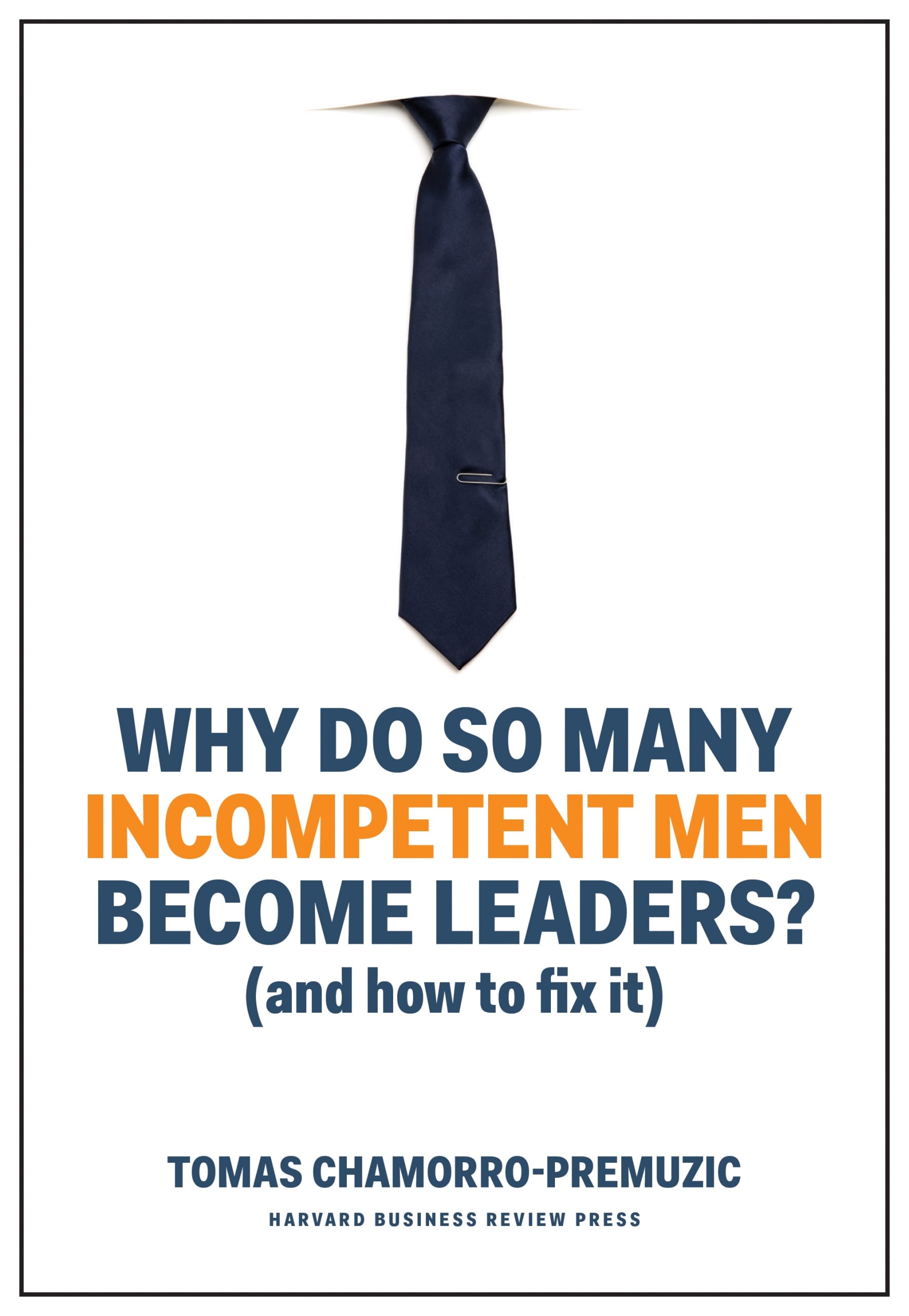
 Tomas Chamorro-Premuzic is the Chief Talent Scientist at Manpower Group, co-founder of Deeper Signals and Metaprofiling, and Professor of Business Psychology at University College London and Columbia University
 These days, it’s hard to keep a good employee in your ranks. Messages across the web tell young workers that the only way to get ahead is to hop positions frequently, even as much as once per year. In the modern job market, frequent relocations seems to be how employees get the titles, responsibilities and perks they crave.
 Office Politics
 Unseen millions are lost by companies every year; the result of employees withholding the full commitment of their physical, intellectual, and emotional contributions. Surveys conducted by the Gallup Organization identified an 18 percent difference in productivity between the best and worst performing companies.1 Yet, as we shall explain, even the best performing companies have room for improvement.
 Business Programs